Bear Grylls says he lost strength after 5 years of being vegan, turned to organ meat: ‘At 52…’
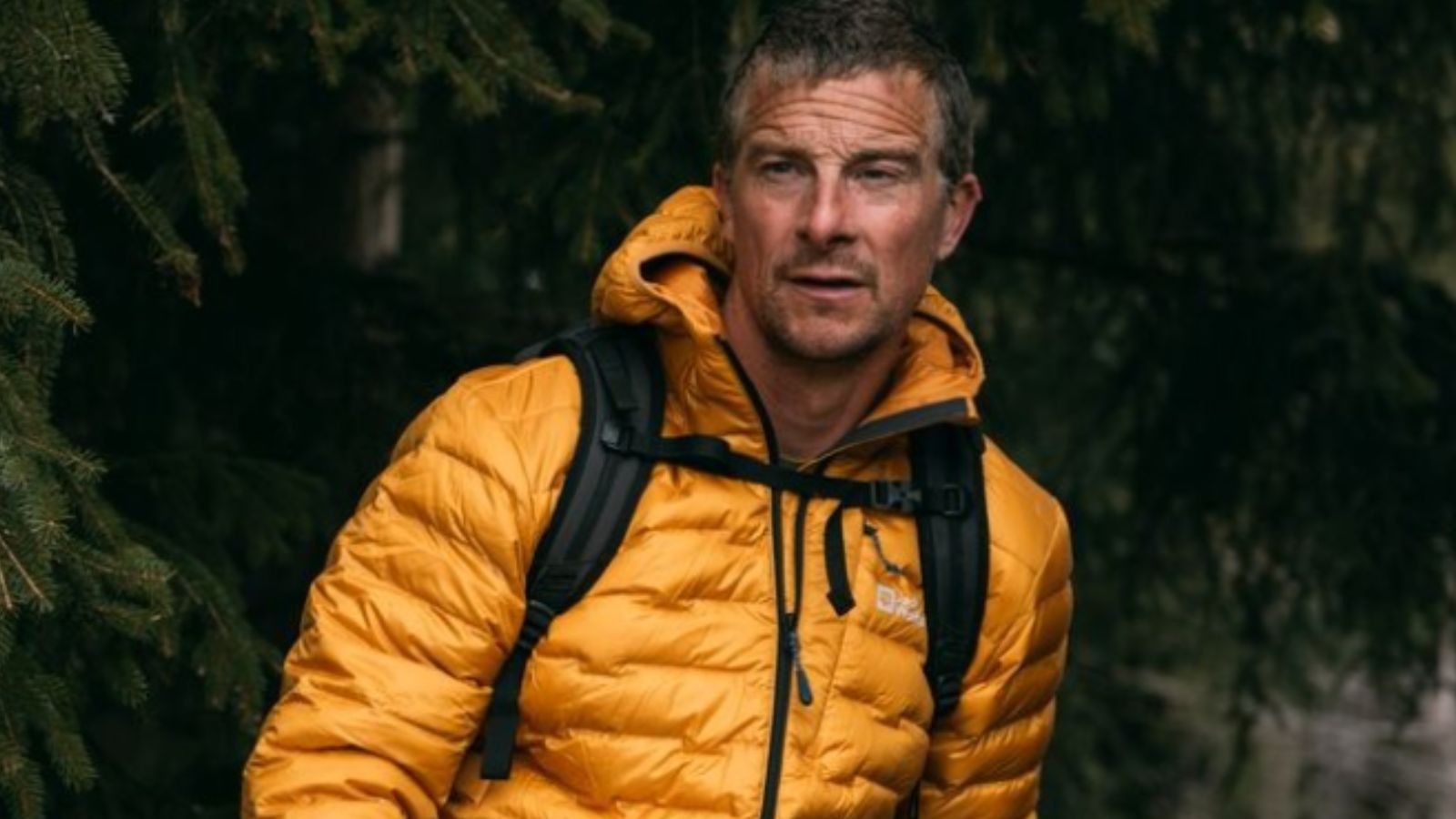
Bear Grylls, famed for his Man Vs. Wild television program, disclosed on Instagram that after adopting a vegan lifestyle for five years, he experienced a significant loss of strength. He resolved this issue by reintroducing organ meats like liver, heart, and kidney into his diet. Grylls remarked, "At 52, I feel fitter, stronger, healthier now than 10 years ago. (Not totally invincible, and I still have battles, but have transformed)."
Concerning the health implications of this dietary change, dietitian Garima Goyal stated, "The quality, quantity and balance of nutrients matter more than simply whether a diet is plant-based or animal-based."
Goyal clarified that not everyone adhering to a vegan diet would necessarily feel weak, and organ meats are not indispensable for sustaining strength. She emphasized that a well-structured vegetarian or vegan diet can adequately support muscle strength and physical activity, provided it includes adequate calorie consumption, sufficient protein, and appropriate micronutrient intake.
According to Goyal, protein-rich vegetarian options comprise milk, curd, paneer, Greek yoghurt, soy products, lentils, chickpeas, kidney beans, nuts, and seeds. For vegans, tofu, tempeh, soy milk, and other protein-rich legumes serve as suitable substitutes. Combining these foods with regular resistance training and proper recovery can promote muscle growth.
Goyal highlighted the importance of monitoring certain nutrients, such as vitamin B12, iron, vitamin D, calcium, and zinc, which might be deficient in vegan diets. Vitamin B12, in particular, is a concern because unfortified plant foods do not provide reliable sources. Iron deficiency can lead to fatigue, weakness, and diminished exercise capacity. In such cases, fortified foods and supplements might be necessary, depending on individual requirements.
Goyal emphasized that if someone encounters a noticeable decline in strength or persistent fatigue after changing their diet, a clinical evaluation and relevant blood tests should be conducted to ascertain the underlying cause. She clarified that a balanced and individualized diet—whether vegetarian or non-vegetarian—can support strength when it meets the necessary nutritional needs and aligns with the person's specific circumstances.
Written by urgent.news from The Indian Express - Lifestyle's reporting — not their text. Machine-written — may contain errors; check the original before relying on it.
This story
This is one outlet's version. Read the fullest account.