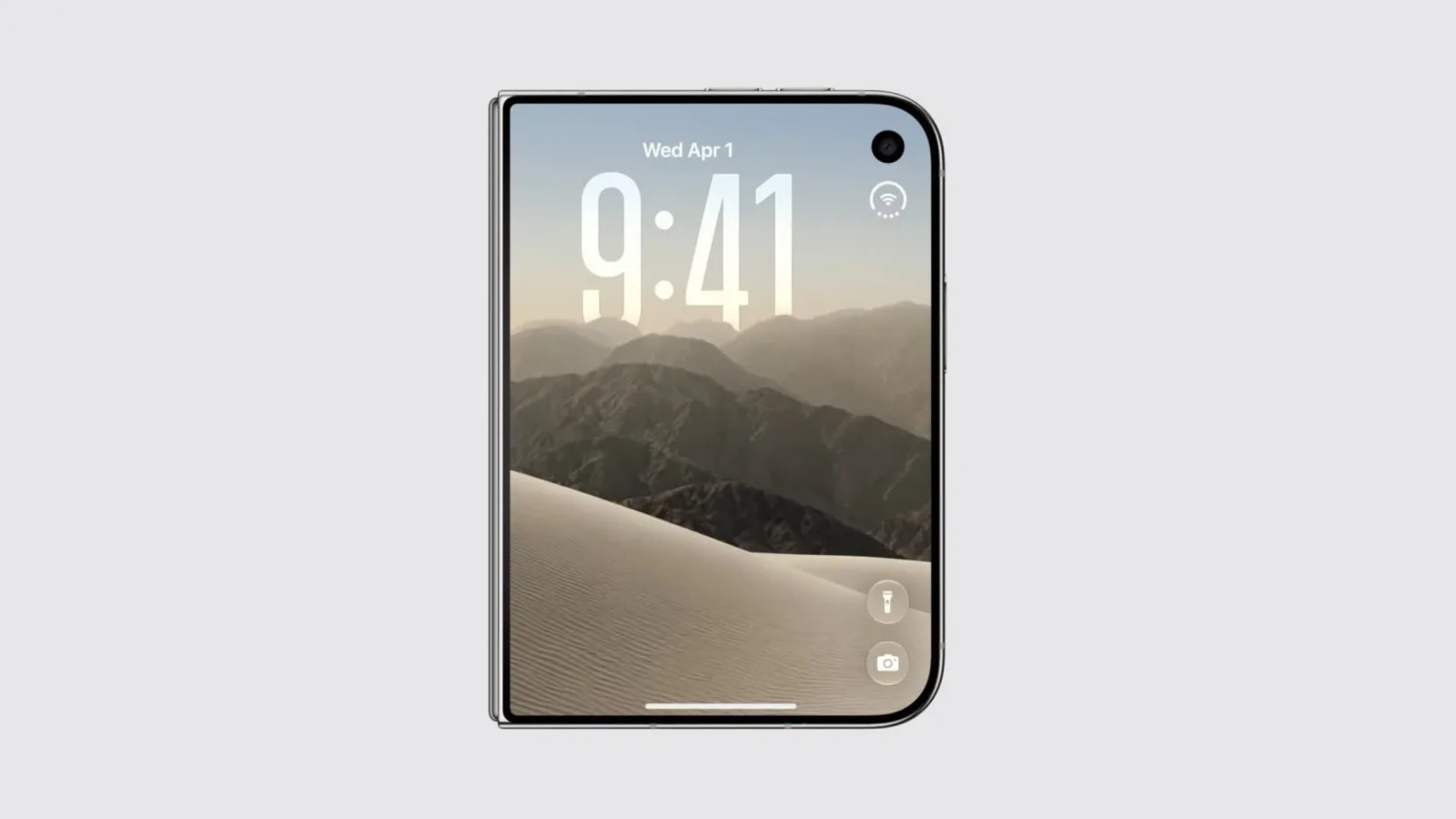
Apple Wants to Fix Safari's Cramped Layout on iPhone Duo
Apple is considering changes to Safari on the iPhone Duo that would give websites access to more of the outer display, although the company has yet to settle on an approach. The challenge is allowing pages to occupy the area beneath Safari's side-mounted controls without making parts of a website inaccessible. In an Friday, October 23 WebKit post , Apple's Jen Simmons explained that an existing…
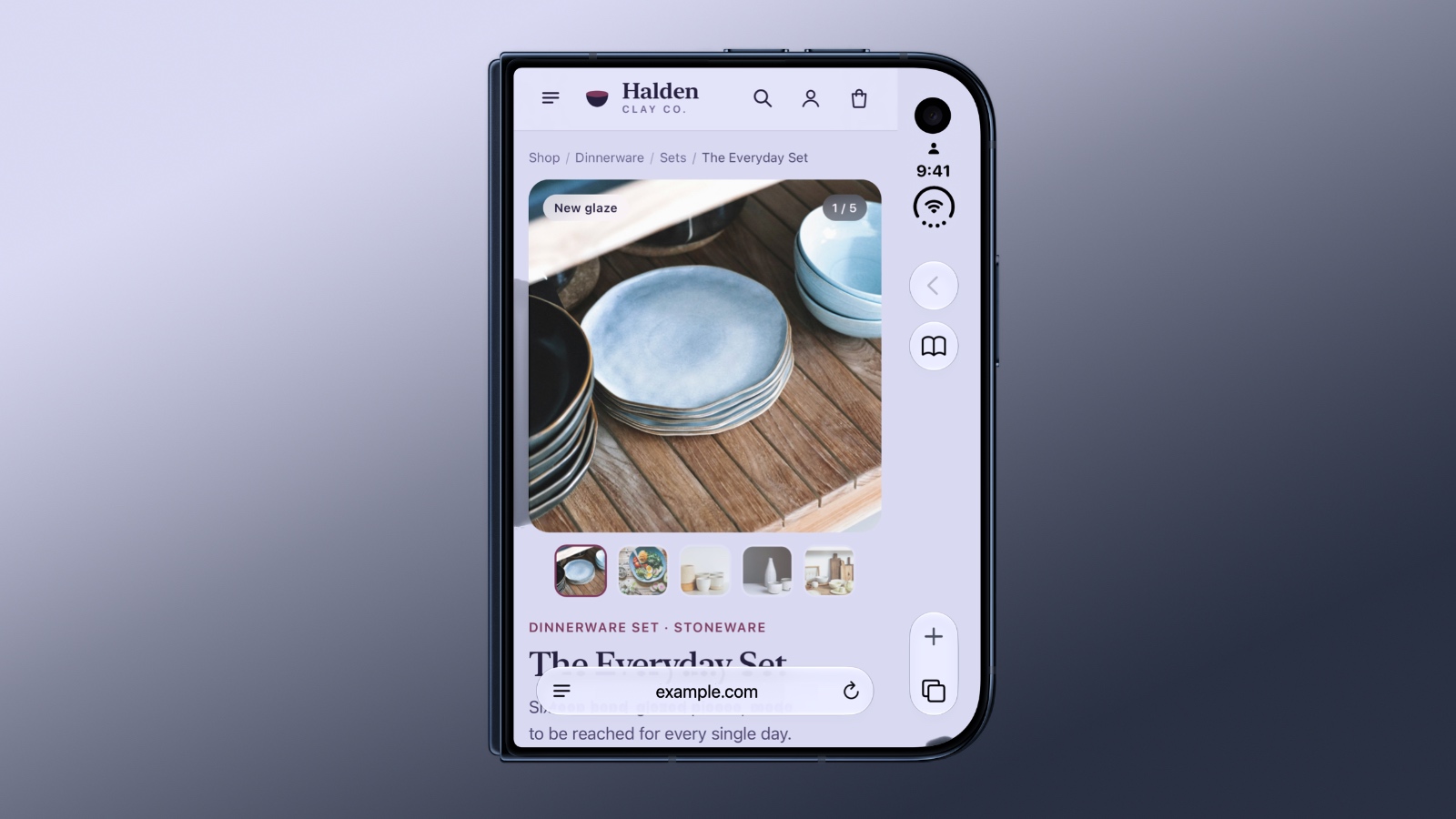
Apple is contemplating modifications to Safari on the iPhone Duo that would grant websites access to additional outer display space. However, the company has not finalized a specific approach. The issue lies in permitting pages to occupy the area below Safari's side-mounted controls without rendering parts of a website unaccessible.
In a Friday, October 23 WebKit update, Apple's Jen Simmons revealed that an existing web setting could facilitate this, but Apple's research indicates that many sites would not handle it appropriately. That setting, viewport-fit=cover, permits a webpage to extend into areas typically designated for the interface. Web developers must then allocate sufficient space around critical content to prevent it from being covered by the controls.
Simmons informed that numerous sites fall short in making these allowances across all edges. Apple is exploring whether an alternative solution could provide developers with greater control while minimizing the risk of obscuring content. For instance, a header's background could potentially span the entire screen, with navigation links confined within the unobstructed portion.
Currently, Safari 27.1 confines webpages to the area adjacent to the controls, utilizing the page's background color to fill the remaining strip. This limitation arises from the screen's proportions. Apple positioned controls along the side of the device since the outer display is shorter and wider than other iPhone screens, reserving more height for apps and webpages.
Additionally, Safari 27.1 introduces automatic two-page PDF viewing when the iPhone Duo is held partially folded, akin to a book. Flattening or closing the device reverts the document to a single-page view. Developers can also test experimental support for identifying the screen's folding posture and positioning content around the device's middle fold.
These features are accessible via Safari feature flags, while the proposed modification to content beneath the controls remains under investigation.
Written by urgent.news from MacRumors's reporting — not their text. Machine-written — may contain errors; check the original before relying on it.
This story
This is one outlet's version. Read the fullest account.