Young Israeli voters lean right, as election puts Netanyahu to the test
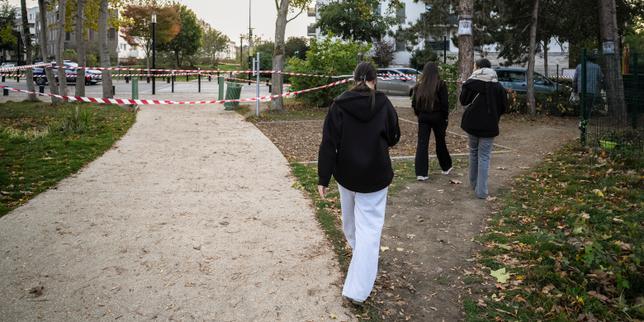
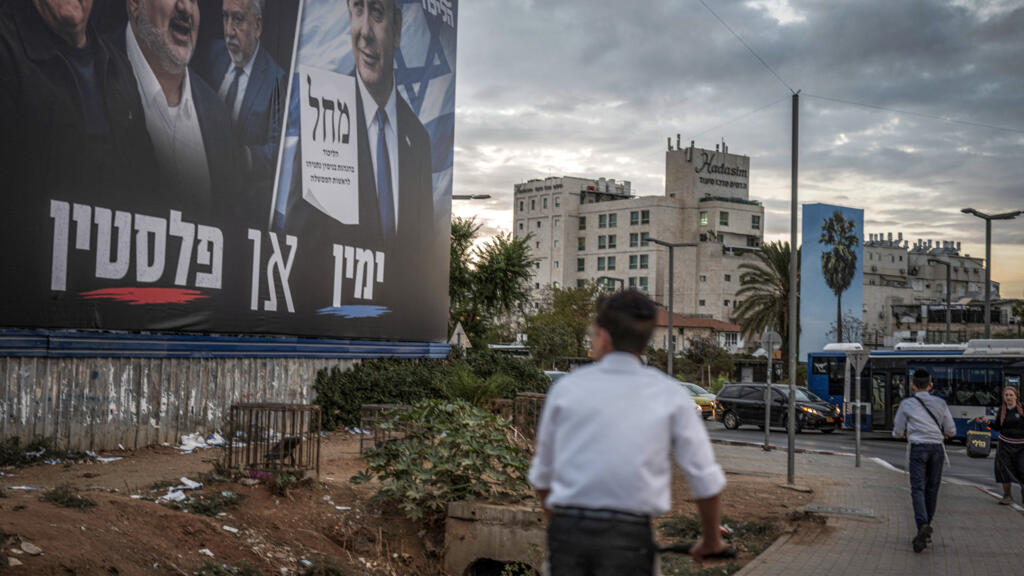
Young Israelis preparing to vote in parliamentary elections on Tuesday are leaning further to the right than their elders, with some drawn to the far right and its focus on security. In Rehovot, a city whose results tend to mirror the national vote, RFI met a generation shaped by the attacks of 7 October, 2023 and three years of war.
In the aftermath of the October 7, 2023, terrorist attacks, bereaved families are calling for a new approach to Israeli politics. Moshe Shapiro, whose son Aner was killed while protecting festival-goers, is among those behind Hamechane, an initiative seeking to make social cohesion a national responsibility. Hoda Daxa and Shai Zohar, both bereaved relatives, joined The Jerusalem Post to discuss the urgency of addressing internal polarization and its potential to lead Israel to catastrophe.
Zohar, the uncle of Capt. Omer Neutra, a lone soldier killed during the attacks, emphasized that unity is an "operating system, an approach." Daxa's husband, Col. Ehsan Daxa, commander of the 401st Armored Brigade, was killed in October 2024. For Shapiro, the wildflower campaign, which combined legal protection with public education to make a cause ingrained in generations, serves as an example of this kind of change.
The initiative's name, "Hamechane" (meaning "the denominator"), reflects the search for common ground among bereaved families, captivity survivors, and individuals affected by the Israel-Gaza War. They desire the next government to establish a national framework for social cohesion within its first 100 days. The members of Hamechane include people from various backgrounds, including religious and secular Jews, ultra-Orthodox (haredim), Druze, and individuals from both the right and left.
The interviewees stressed the importance of learning to live together, even across deep disagreements. Daxa recalled feeling discomfort when traveling by train while speaking Arabic, but noticed passengers' discomfort rather than any overt hostility. She emphasized that hatred does not distinguish between individuals. Shapiro highlighted that the relationships formed through Hamechane's yearlong process of developing a shared vision gave him confidence that cooperation is possible without hiding or abandoning one's opinions.
Shapiro's grandfather, Haim-Moshe Shapiro, signed Israel's Declaration of Independence and pressed Prime Minister Levi Eshkol to bring opposition parties into the government before the Six Day War. His grandfather's insistence on working with political rivals provides an inheritance that informs Moshe's perspective on the importance of including diverse perspectives in government.
Written by urgent.news from Jerusalem Post's reporting — not their text. Machine-written — may contain errors; check the original before relying on it.
This story
This is one outlet's version. Read the fullest account.