World Kangaroo Day: How climate change impacts Australia’s macropods
CANBERRA — World Kangaroo Day, on Oct. 24, celebrates one of Australia’s national symbols and the macropod’s special place in the country’s environment and First Nations cultures. In 2026, as “super El Niño” wreaks havoc across the globe, it is an opportune time to reflect on how climate change has affected the country’s iconic animals. […]
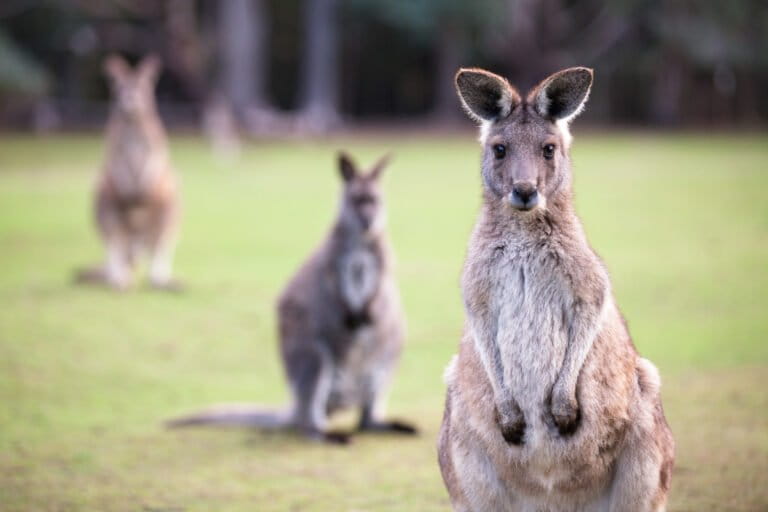
World Kangaroo Day, celebrated on October 24th, honors Australia's national symbol, the macropod, and its significance in the nation's ecology and Indigenous cultures. As extreme weather conditions, including the so-called "super El Niño," impact the world, it is vital to examine the effects of climate change on the country's unique wildlife.
There are 59 species of macropod, collectively known as the superfamily Macropodoidea, inhabiting Australia. The four most common species are the red kangaroo, western grey kangaroo, eastern grey kangaroo, and antilopine kangaroo. These four species have a combined population estimated between 30 million and 50 million, fluctuating with drought and rainfall patterns.
Unfortunately, state governments have resorted to controversial culling programs to manage their numbers.
Lesser-known species include the musky rat-kangaroo, weighing only about 500 grams, and the critically endangered Gilbert's potoroos. Australia is also home to two species of tree-kangaroo, found in the forests of Far North Queensland: the Lumholtz's tree-kangaroo and Bennett's tree-kangaroo. The smallest macropod and the world's least known species, the musky rat-kangaroo, is facing dire circumstances.
Six kangaroo species have already become extinct since European colonization, and 11 others are now endangered due to climate change and its various impacts.
Written by urgent.news from Mongabay's reporting — not their text. Machine-written — may contain errors; check the original before relying on it.