With his first smartphone, Lula seeks to catch up to Brazil’s online generation
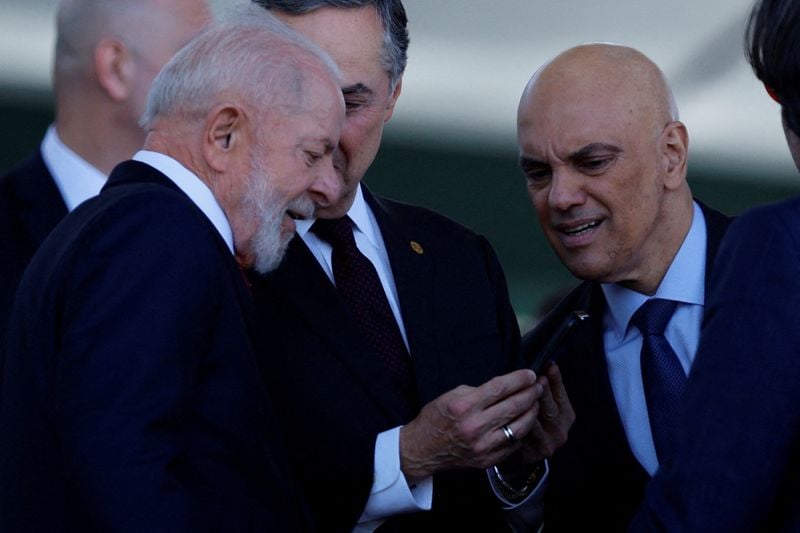
Days before his 81st birthday, Brazilian President Luiz Inacio Lula da Silva acquired his first smartphone, a device that his aides revealed was his inaugural digital tool. This seemingly modest action may hint at Lula's struggle to keep pace with a Brazilian electorate increasingly immersed in the online world, which could potentially work against him in the upcoming presidential runoff on Sunday.
During a recent rally in Brasilia, Lula expressed his newfound status as a "king of selfies" and an "internet user," hinting at his commitment to embracing social media campaigning. The shift in Brazilian politics, where a candidate's online presence can greatly influence electoral success, is evident. In recent congressional elections, younger and more social media-savvy candidates like Nikolas Ferreira and Lucas Pavanato, both 28, dominated their races, garnering over 3 million votes each.
In contrast, Lula, who first ran for president in 1989, faces the challenge of staying relevant in a rapidly evolving political landscape. His younger aide, Ana Elisa Silva, who has joined his team, emphasizes that age should not be a barrier to digital communication, asserting that it is a matter of ability, not generational privilege.
Lula's political journey, rooted in grassroots movements and massive rallies, is now being tested against the backdrop of influencer politicians who have amassed massive followings on social media platforms. One such figure, Nikolas Ferreira, boasts nearly 25 million followers on Instagram, a staggering number that equates to more than 10% of Brazil's population.
Written by urgent.news from Investing.com's reporting — not their text. Machine-written — may contain errors; check the original before relying on it.