Why should bus terminal operators control ticket sales?
The transport minister and the Land Public Transport Agency should seriously reconsider its decision before it takes effect on Nov 1.
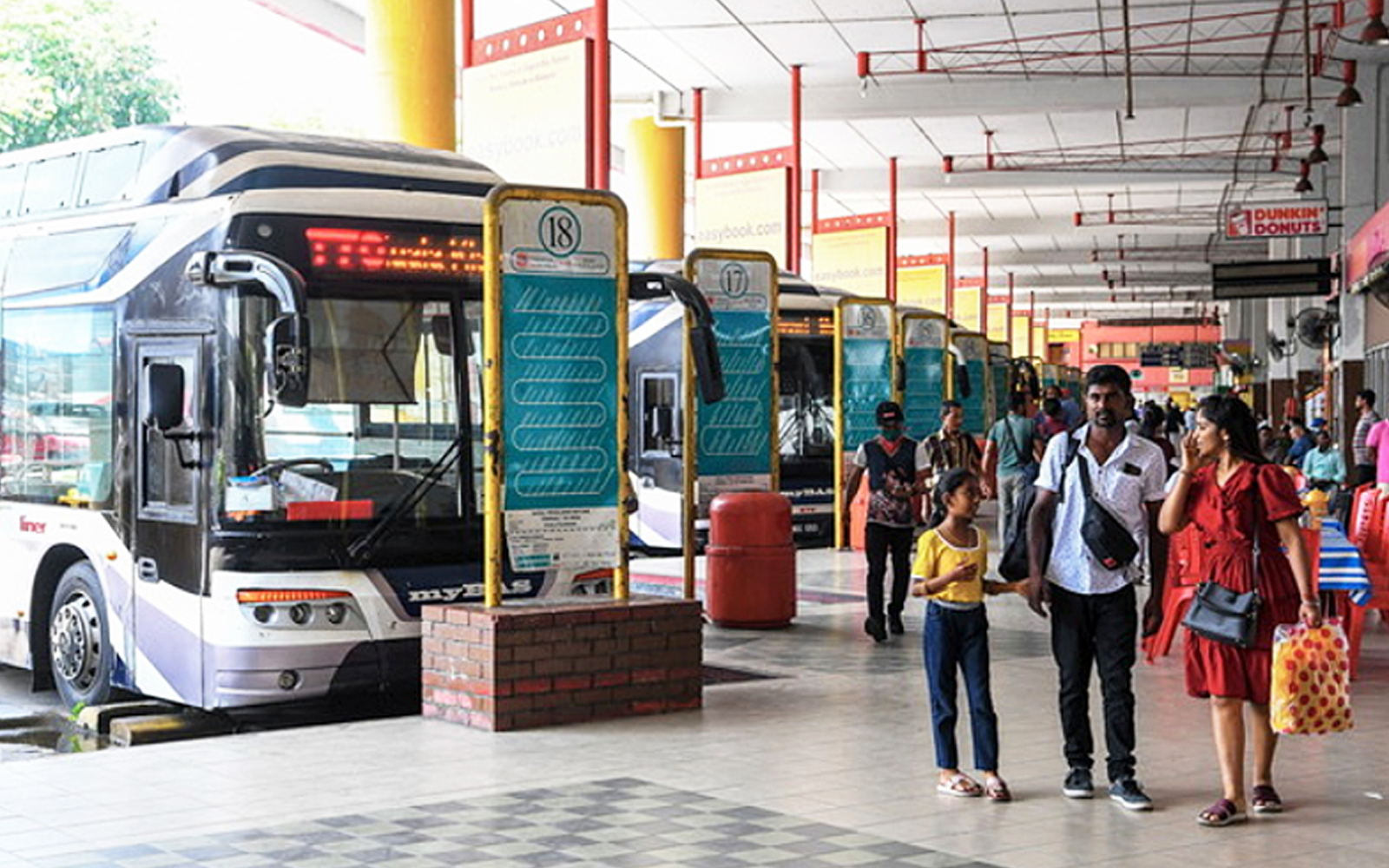
Malaysia's express bus industry is grappling with a new regulatory requirement that has sparked debate over competition, commercial freedom, and the government's understanding of public transport. On October 16, the transport minister signed off on a policy mandating that all express bus tickets be sold exclusively through licensed bus terminals.
The Land Public Transport Agency (Apad) directed operators to comply from November 1, 2026, giving the industry barely two weeks to adapt. The consequences are significant. This isn't just a change in ticketing; it transfers control of ticket sales from bus operators to terminal operators, introducing a new level of commercial oversight in an already cost-strained industry.
A key question arises: why should a terminal operator have the exclusive authority to sell tickets for a bus service they don't operate? Would airlines like Malaysia Airlines or AirAsia permit KLIA, the airport operator, to be the sole ticket seller for their flights? One wonders how the airline owners and CEOs would respond if the Civil Aviation Authority of Malaysia issued a similar requirement, demanding adherence within two weeks.
Selling at terminals is a common practice, and terminal operators already collect terminal charges and passenger service fees. However, granting them exclusive ticket sales control is a different matter, with limited precedent elsewhere. Terminals should facilitate bus service, not dictate ticket sales. Operators have long operated under a terminal-centric model, compelled to serve designated terminals regardless of passenger convenience or service integration.
Many terminals have also transformed into commercial properties, investing heavily in buildings and facilities that must generate returns. Terminal operators now expect bus operators to cover terminal charges, while passengers endure inconvenience and added costs reaching poorly-connected terminals. The situation worsens when terminal operators gain exclusive ticket sales rights.
Apad's new directive grants terminal operators sole ticket-selling authority for express bus services departing from their terminals. They'll also handle trip management, departures, and ticket sales. This creates an obvious query. If bus operators are tasked with operating services, maintaining fleets, employing drivers, and meeting safety standards, why should they forfeit control of their ticket sales?
A terminal offers infrastructure; a bus operator provides transport services—distinct commercial functions. There's no strong rationale to merge them into a compulsory arrangement that gives one party control over the other's revenue stream. The transport ministry should reassess Apad's directive before it takes effect.
Written by urgent.news from Free Malaysia Today's reporting — not their text. Machine-written — may contain errors; check the original before relying on it.
Also reported by 1 other outlet
- Why should bus terminal operators control ticket sales? freemalaysiatoday.com