When Koreans were the foreigners: 'Ode to My Father' revisited
Europe is once again arguing about immigration: who should be allowed in, what newcomers owe the countries that receive them and what those countries owe the people whose labor they need. But there is an uncomfortable historical irony here. The wealthy societies now debating how many foreigners they can accommodate were often built, in part, by people who left poorer countries to do the jobs…
Europe is once again grappling with the issue of immigration: determining who is permitted entry, what newcomers owe their host countries, and what those countries owe the laborers who contribute to their success. However, there is an unsettling historical irony in this modern debate. The prosperous nations currently discussing the limits of foreign presence were, in part, shaped by individuals who journeyed from less affluent countries to fill roles others deemed undesirable.
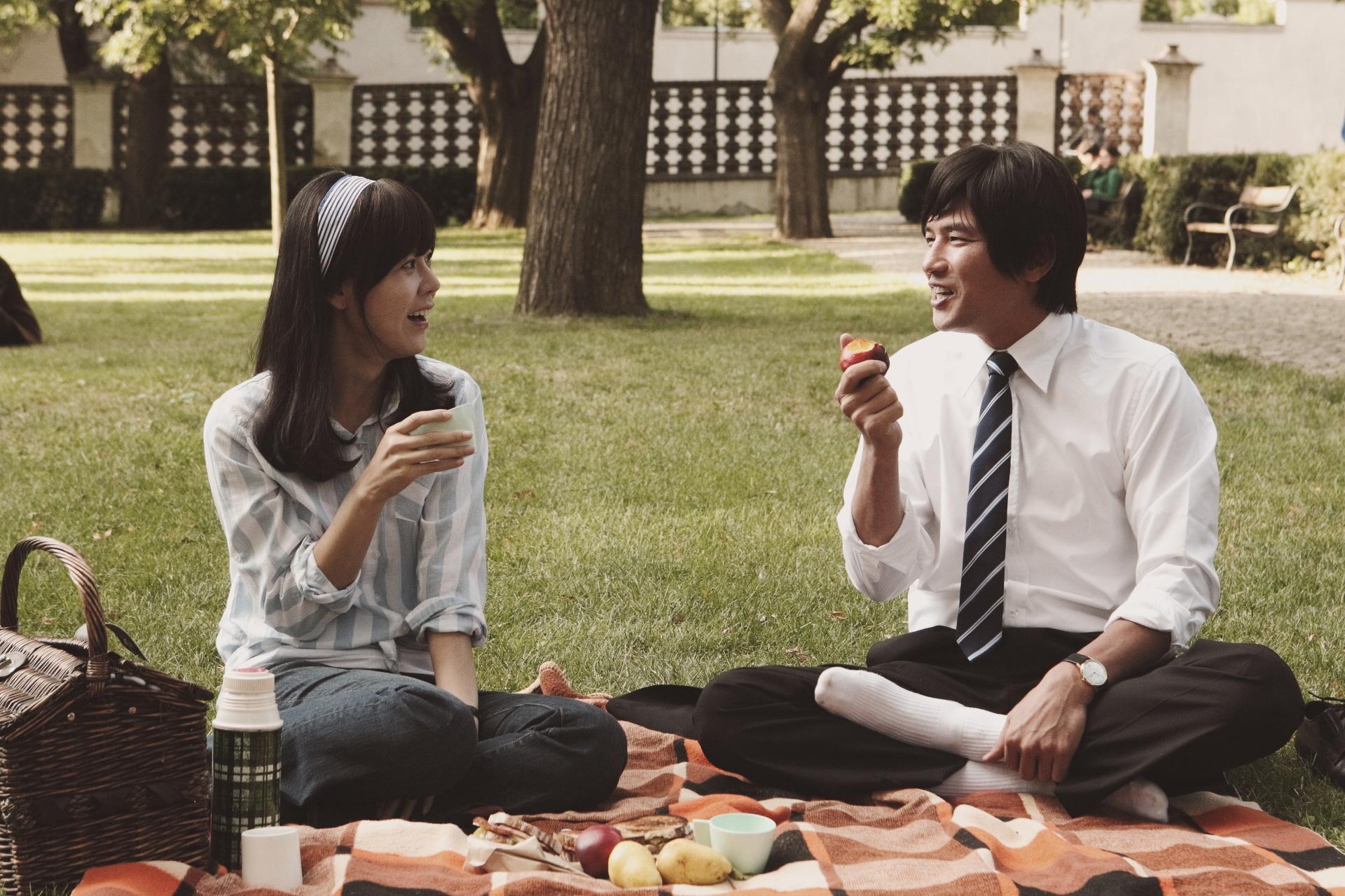
Korea, in particular, possesses a unique perspective on this matter. Prior to gaining recognition for its music, cinema, and skincare products, Koreans served in various capacities abroad. They worked in the mines of West Germany, tended to patients in European hospitals, contributed to construction projects in Saudi Arabia, and even fought on battlefields in Vietnam. They were the foreigners, the laborers whose contributions were valued even when they were considered outsiders.
To comprehend the experience of leaving one's homeland in pursuit of a better life, one can turn to the stories of others who have undertaken this journey. By examining the perspectives of these individuals, we can gain valuable insights into the complexities of immigration. This is why, after imparting lessons on Confucianism and Buddhism, the fall of the Joseon Dynasty (1392-1910) and the Japanese colonization of Korea, as well as the division of the peninsula and the Korean War, I felt it necessary to delve deeper into the experiences of Koreans who traveled abroad in search of opportunity.
Written by urgent.news from The Korea Times's reporting — not their text. Machine-written — may contain errors; check the original before relying on it.
This story
This is one outlet's version. Read the fullest account.
- When Koreans were the foreigners: 'Ode to My Father' revisited koreatimes.co.kr