When hives keep coming back for no obvious reason
Chronic spontaneous urticaria can appear, disappear and move around the body, often making the condition difficult to capture during a medical visit.
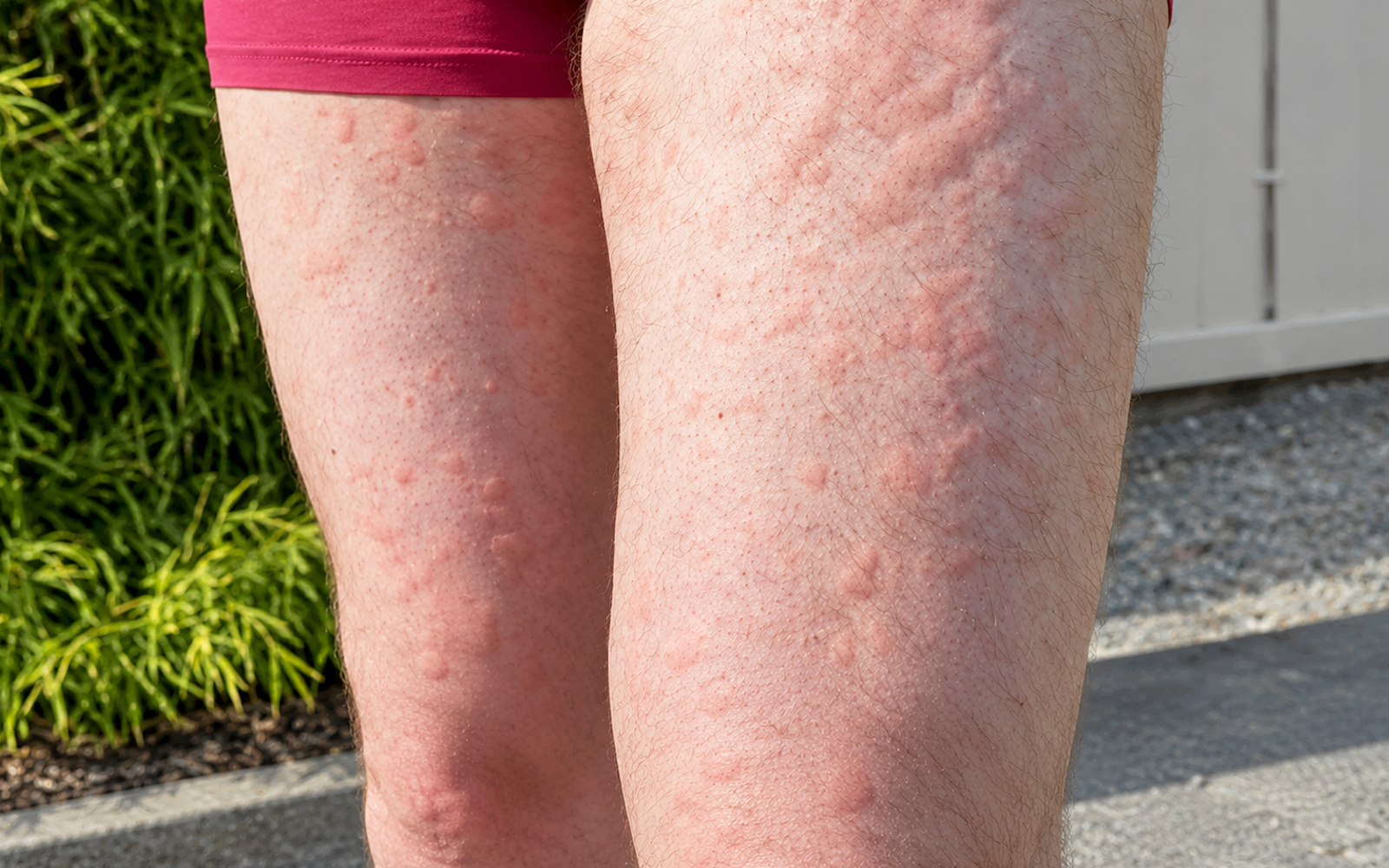
Chronic spontaneous urticaria (CSU) is a condition characterized by recurring itchy, raised hives for more than six weeks without an obvious external trigger. The rash can appear suddenly, last for hours, and then reappear elsewhere on the body, making it difficult to predict. Dermatologist Dr Peter Ch’ng often hears patients say, "The rash disappeared while I was waiting to see you, but I know it will come back again." This pattern is familiar to people living with CSU.
The condition can significantly impact a person's life, affecting sleep, concentration, work, and emotional wellbeing. Typical urticaria lesions are smooth and transient, disappearing within a day without leaving marks. However, rashes that persist, scale, become painful, or leave bruise-like changes may indicate another condition and require further assessment.
While stress may worsen urticaria in some individuals, there is no direct link between haze and CSU. Some patients mistake the rash for eczema, psoriasis, or an allergic reaction. Getting the diagnosis right is crucial because similar-looking conditions may require different management.
A Malaysian study found that over 80% of patients with CSU reported moderate-to-severe itching and hives, which can significantly impact work, social life, and daily activities. Clear photographs during flare-ups are useful for documenting the rash's behavior. Typical urticaria lesions are smooth and transient, but rashes that persist, scale, become painful, or leave bruise-like changes may indicate another condition.
Not every episode of hives is CSU; the six-week duration or recurrence threshold helps distinguish chronic disease from a short-lived episode. Some patients use steroid cream to manage flare-ups, but this approach often makes little sense as individual lesions vanish quickly and reappear elsewhere. Repeated steroid injections as a long-term solution should be approached with caution due to potential health risks.
International guidelines recommend second-generation H1 antihistamines as first-line treatment. If symptoms remain uncontrolled, treatment can be escalated under medical supervision. Dr Ch’ng emphasizes that the goal is clear, symptom-free skin rather than merely partial improvement.
Written by urgent.news from Free Malaysia Today's reporting — not their text. Machine-written — may contain errors; check the original before relying on it.
Also reported by 1 other outlet
- When hives keep coming back for no obvious reason freemalaysiatoday.com