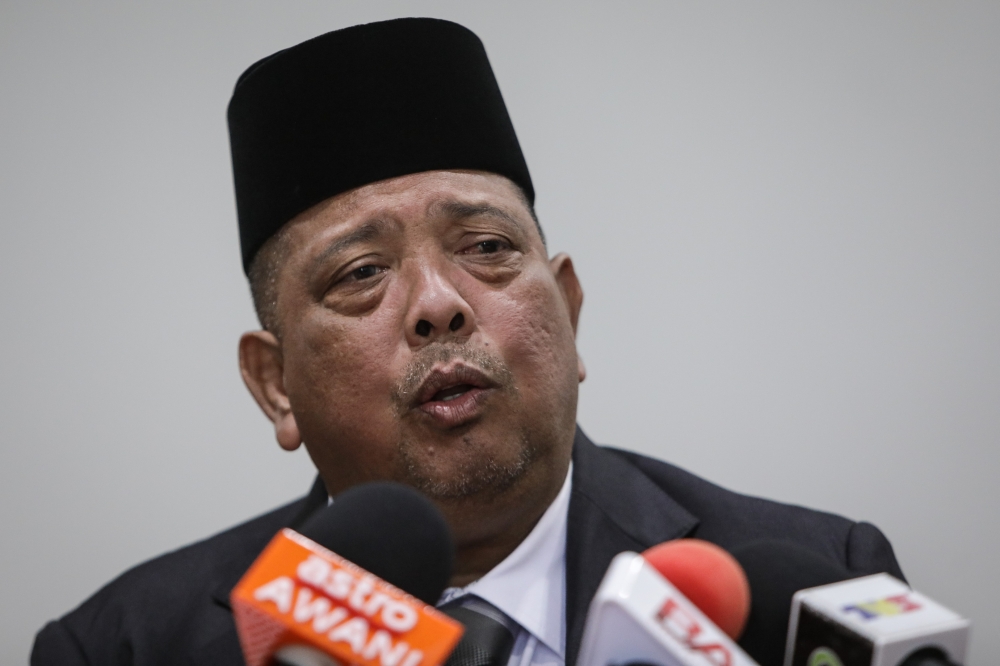
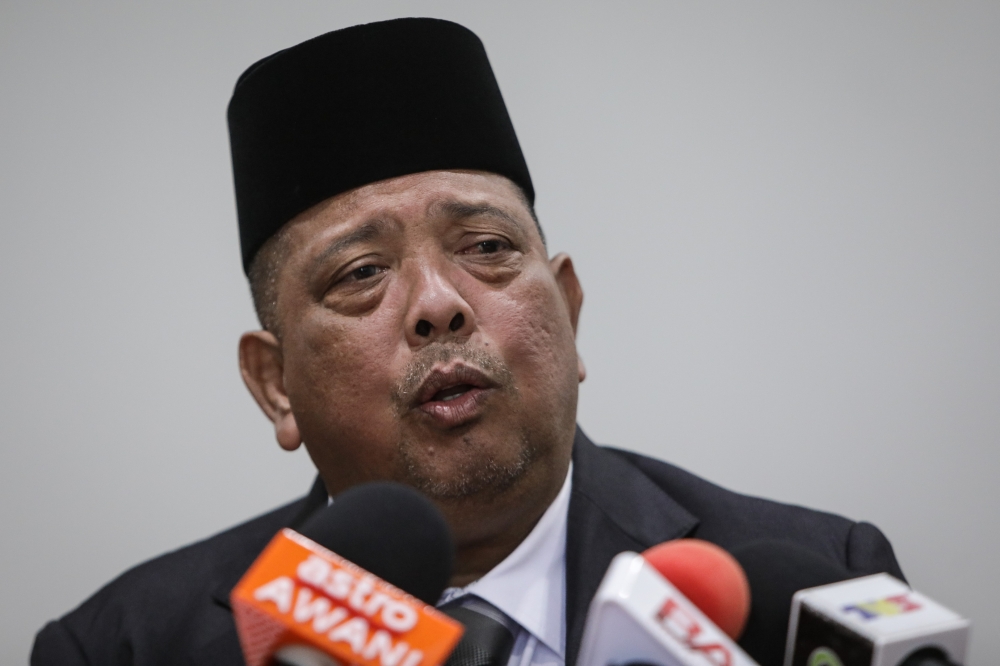
U.S. Ambassador Pete Hoekstra offers Canada help following Wainwright tragedy
Four soldiers were killed and 39 injured on Oct. 17 when a fire that began during a training exercise on an anti-grenade launching range was picked up by fierce winds.

The Trump administration is broadening tariff exemptions to encompass more Canadian products, potentially aiding Republican Senator Susan Collins' re-election bid in Maine. Collins revealed on Friday that the exemptions will encompass specific paper, plastic, machinery, and seaweed products, asserting they would bolster the state's rural and coastal economy, including industries like blueberry, potato, and apple production, as well as seaweed and algae-based food products.
"Many of our farmers and growers depend on specialized equipment, packaging materials, and other items from Canada that are either unavailable from American suppliers or too costly to replace," she stated. The White House has not yet commented on the matter. Earlier reports from The Wall Street Journal suggested that these reductions might be offset by imposing levies on other Canadian goods.
Collins, facing a close re-election race, has frequently emphasized her capacity to secure tariff reductions benefiting Maine consumers and businesses. Her office noted that she advocated for more exemptions during discussions with US Trade Representative Jamie Siegfried Greer and Commerce Secretary Howard Lutnick. In a prior move last month, Trump exempted road salt and other items upon Collins' request, coinciding with his announcement of retaliatory measures following the collapse of US-Canada trade discussions.
Canada reciprocated by adjusting its retaliatory duties to exclude seafood products. The newly exempted goods will consist of corrugated paper, boxes, certain plastic packaging materials, refrigeration and freezing equipment, agricultural cleaning, sorting, and grading machinery, specific packaging machinery, and seaweed and algae food products, as per Collins' statement.
These changes arise amid the cessation of US-Canada trade talks. There have been no substantive talks since the negotiations over a tariff agreement stalled in August. Collins is among the most vulnerable incumbent Republican senators in the November elections, though Democrats have struggled in previous attempts to unseat her. The decision arrives as national and state-level polls demonstrate that voters are expressing dissatisfaction with Republicans' performance on the cost of living and President Trump's war in Iran.
Collins has consistently defied polls and challenging political circumstances to retain her seat, but she is up against rising prices, including housing and fuel costs, which have made life less affordable for many in Maine. Democratic Senate contender Troy Jackson has frequently leveraged Trump's tariffs to criticize Collins. Collins has tried to distance herself from the president, stating in a recent debate that she is "not exactly his favorite senator."
She has also taken credit for blocking some of his tariff initiatives, such as obtaining the road-salt exemption, which prompted her opponent Jackson to remark in a widely shared moment that "Maine voters can't eat road salt."
Written by urgent.news from South China Morning Post's reporting — not their text. Machine-written — may contain errors; check the original before relying on it.
This story
This is one outlet's version. Read the fullest account.
- Trump to lowers some Canada tariffs to help Maine lawmaker’s re-election bid scmp.com
- U.S. ambassador offers Canada help almost a week after Wainwright tragedy toronto.citynews.ca
- Trump says Canada ‘working very hard’ on new trade deal torontosun.com
- Trump tweaks Canada tariffs, removing certain goods while adding others supplychaindive.com
- Trump says Canada 'working very hard' to make a deal with US channelnewsasia.com