Turkiye's policy shift on track despite slower disinflation; election test awaits: S&P
Turkiye's tight monetary stance and shift away from unorthodox economic policies underpin its sovereign rating, but slower disinflation and the run-up to elections will test the central bank'...
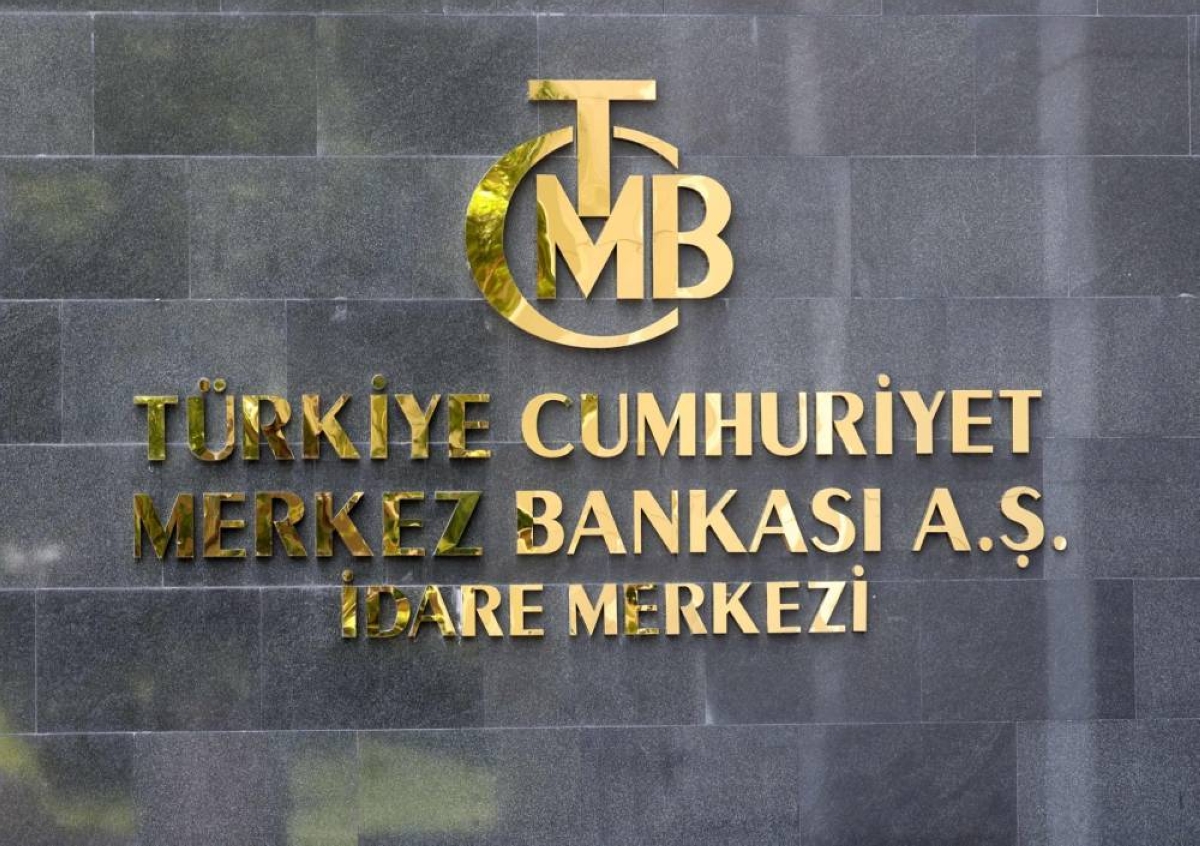
The Turkish government is moving towards a tighter monetary stance and deviating from unconventional economic policies, bolstering its credit rating, according to S&P Global. However, slower disinflation and the approaching elections may challenge the central bank's commitment to maintaining this discipline, warns S&P. Karen Vartapetov, S&P Global's director and sovereign lead analyst for Central and Eastern Europe and Turkey, explains that Turkey's BB- sovereign rating with a stable outlook reflects notable progress since 2023, when Ankara started reversing years of ultra-loose monetary policy aimed at boosting growth despite surging inflation.
The upcoming elections in May 2028, potentially earlier, pose uncertainty about the sustainability of the current tight monetary and macroeconomic policies. While inflation remains high at just below 30%, a slowdown in domestic demand is enabling the bank to focus on disinflation, Vartapetov notes. The bank recently cut its key interest rate to 36% due to lower-than-expected inflation data, following previous meetings at which it remained at 37%.
S&P believes that the economy's disinflation is being achieved, albeit not as quickly as hoped, due to weakening domestic demand, retail sales, and lower credit growth. The bank's assessment, consistent with those of Fitch and Moody's, will be revisited in April. S&P views Turkey's investment fund crisis as primarily a governance and supervision issue, rather than a broader financial stability threat.
The crisis erupted last month, with regulators liquidating over 100 investment funds over allegations of manipulated asset values. Most of the money withdrawn has been deposited in lira, rather than foreign currencies or gold, as policymakers have responded promptly to contain the fallout. Vartapetov emphasizes the importance of learning lessons and improving supervision in addressing the crisis.
Written by urgent.news from Gulf Times Business's reporting — not their text. Machine-written — may contain errors; check the original before relying on it.