The world is once again on the edge: Hormuz and the Red Sea — Phar Kim Beng
OCTOBER 24 — The world is once again approaching a dangerous strategic precipice. This time, the epicentre of...
The world is once again teetering on the brink of a dangerous strategic crisis. The focal point of this instability now lies in two of the most critical shipping routes in international trade: the Strait of Hormuz and the Red Sea. The implications of their potential disruption are immense and far-reaching. This situation is no longer limited to just Iran, Israel, and the United States; it is morphing into a broader threat to global economic stability, energy security, and international peace.
Consequently, the pivotal gathering of eight European and Middle Eastern foreign ministers in Istanbul on October 23, 2026, carries significant weight. Representatives from Britain, France, Germany, and Italy united with Turkey, Saudi Arabia, Pakistan, and Egypt in their plea for diplomacy to supersede military aggression. Their resolute message was clear: diplomacy must triumph over military adventurism.
Both the reopening of the Strait of Hormuz and the restoration of security in the Red Sea are deemed crucial to averting a region-wide conflict from escalating into a wider international catastrophe.
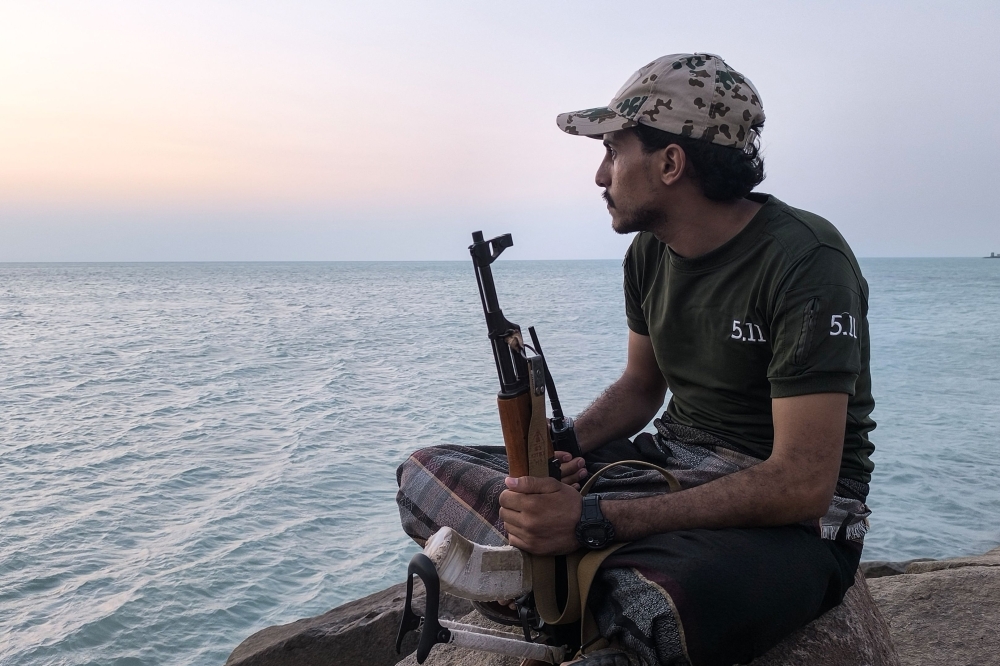
The Houthi militias, operating from Yemen, have been a major irritant. They have been monitoring the coastline, and Saudi-led coalition forces have been conducting regular raids in Yemen to support the internationally recognized government since the renewed fighting commenced in July. The conflict, which had lain dormant for years, has intensified after the Houthi forces seized control of the Red Sea coast in the previous month.
This escalation underscores the precariousness of the current international situation. The Strait of Hormuz, a narrow passage between Iran and Oman, handles approximately one-fifth of the world's oil supply. Any prolonged disruption in this channel would immediately impact energy prices, shipping insurance, industrial output, and cost of living across the globe.
Similarly, the Red Sea, in conjunction with the Bab el-Mandeb Strait and the Suez Canal, acts as a vital conduit connecting Asian manufacturing hubs with European markets. The simultaneous insecurity of these maritime corridors would create a dual strategic shock for the global economy. Oil and liquefied natural gas prices would surge, prompting commercial vessels to opt for longer and more expensive routes.
Consequently, freight costs would escalate, leading to supply chain unpredictability. Ultimately, these cost increases would be passed on to consumers through higher prices for food, transportation, electricity, and manufactured goods.
The ramifications of this crisis are not confined to the Middle East alone. For Malaysia and the Association of Southeast Asian Nations (Asean), the stakes are immediate. The region's deep integration into global maritime trade means that its manufacturing industries, electronics exports, energy imports, and food supply chains rely heavily on predictable international shipping.
While Malaysia is a significant energy producer, it is not insulated from the volatility in global oil and gas markets. Elevated energy prices may provide temporary benefits to certain exporters, but they also impose substantial costs on industries, consumers, and the government. Malaysia's fiscal planning for Budget 2027 may face considerable challenges if global energy prices remain high and shipping disruptions generate additional inflationary pressure.
Asean cannot assume that its geographical distance from the Middle East shields it from economic vulnerabilities. The interconnectedness of maritime corridors, including the Strait of Malacca, the South China Sea, the Indian Ocean, and the Red Sea, means that instability in one region inevitably affects operations in another. The ongoing crisis highlights the limitations of solely viewing maritime security through the lens of territorial sovereignty.
Maritime chokepoints are pivotal international economic lifelines. Their disruption produces repercussions extending well beyond the immediate surrounding states. The Yemeni Houthis' attacks on Saudi Arabia and international shipping have further complicated the strategic landscape. Saudi Arabia, a pivotal energy producer and a cornerstone of stability in the Gulf, faces threats to its infrastructure, airports, and maritime facilities.
These repeated assaults risk transforming an already volatile situation into a sustained regional emergency. The Houthis must promptly cease attacks against civilian infrastructure and international shipping, but the military containment of the Houthis is not a substitute for a comprehensive political resolution in Yemen. Furthermore, the United States and Israel should not view renewed attacks on Iran as a guarantee of strategic stability.
In fact, further strikes against Iran could trigger retaliation against energy facilities, military installations, and commercial vessels across the Gulf. This would create a dangerous cycle of attack and counterattack, especially concerning the increasingly blurred geographical boundaries of the conflict. Iran possesses various means to inflict costs on its adversaries, and its regional relationships and associated armed groups introduce additional risks of escalation.
Importantly, Iran must understand that restricting international navigation through Hormuz does not serve the interests of countries not involved in the conflict. The freedom of navigation should not be wielded as a bargaining chip in an escalating military confrontation. The Istanbul meeting is particularly significant because Turkey, Saudi Arabia, and Pakistan have already formed the Mecca Defence Alliance.
This emerging collective defense arrangement illustrates that regional powers are increasingly taking ownership of their security. However, collective defense and collective escalation are not mutually exclusive concepts. The Mecca Defence Alliance must function as a deterrent against aggression rather than a tool for escalating tensions.
Written by urgent.news from Malay Mail's reporting — not their text. Machine-written — may contain errors; check the original before relying on it.