The Shahbandar who became Prime Minister
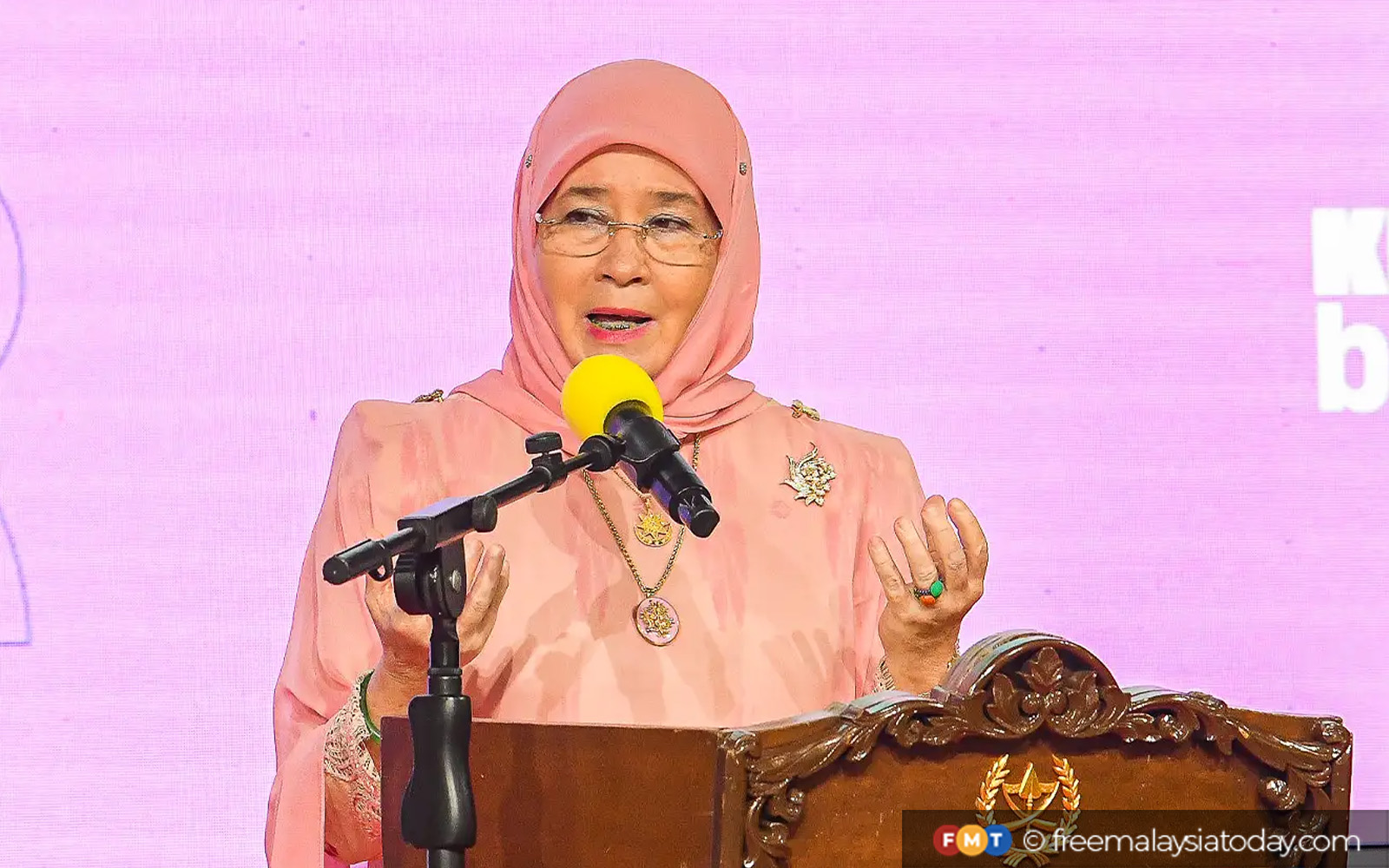
The Tengku Ampuan of Pahang, Tunku Azizah Aminah Maimunah Iskandariah's speech on 'Hukum Kanun Di Alam Melayu' held at the Muzium Negeri Pahang last week.
On October 9, I attended a screening of "Man Who Walked the Talk: The Tun Razak Story." As I watched, my thoughts turned to the Hukum Kanun Pahang, a document that detailed the roles of those who assisted the ruler. Tun Razak was the tenth Orang Kaya Indera Shahbandar, a position his son, Najib, would later inherit as the 11th. The Shahbandar title, which has been carried on through the family for generations, signified a legacy of service and understanding of government that spanned centuries.
The office required knowledge of the land, its people, and their needs, as well as the ability to offer counsel and assistance to the ruler. The Shahbandar was often the ruler's right-hand man, residing near the capital and working closely with the Sultan to carry out the responsibilities of government. Understanding the historical importance of the Shahbandar requires looking beyond modern borders and institutions and recognizing the traditions of administration that have been passed down through Malay-Islamic kingdoms.
The Hukum Kanun Melaka and Hukum Kanun Pahang are examples of these ancient texts, which articulate the expected qualities and responsibilities of the Shahbandar, as well as the broader relationship between ruler, ministers, and people.
Written by urgent.news from Free Malaysia Today's reporting — not their text. Machine-written — may contain errors; check the original before relying on it.
Also reported by 1 other outlet
- The Shahbandar who became Prime Minister freemalaysiatoday.com