The Hidden Cost of Real-Time Data: Why Faster Pipelines Don't Always Deliver Better Decisions
Explore the hidden costs of real-time data pipelines and learn why latency, data freshness, correctness, and recovery matter in Kafka and streaming architecture
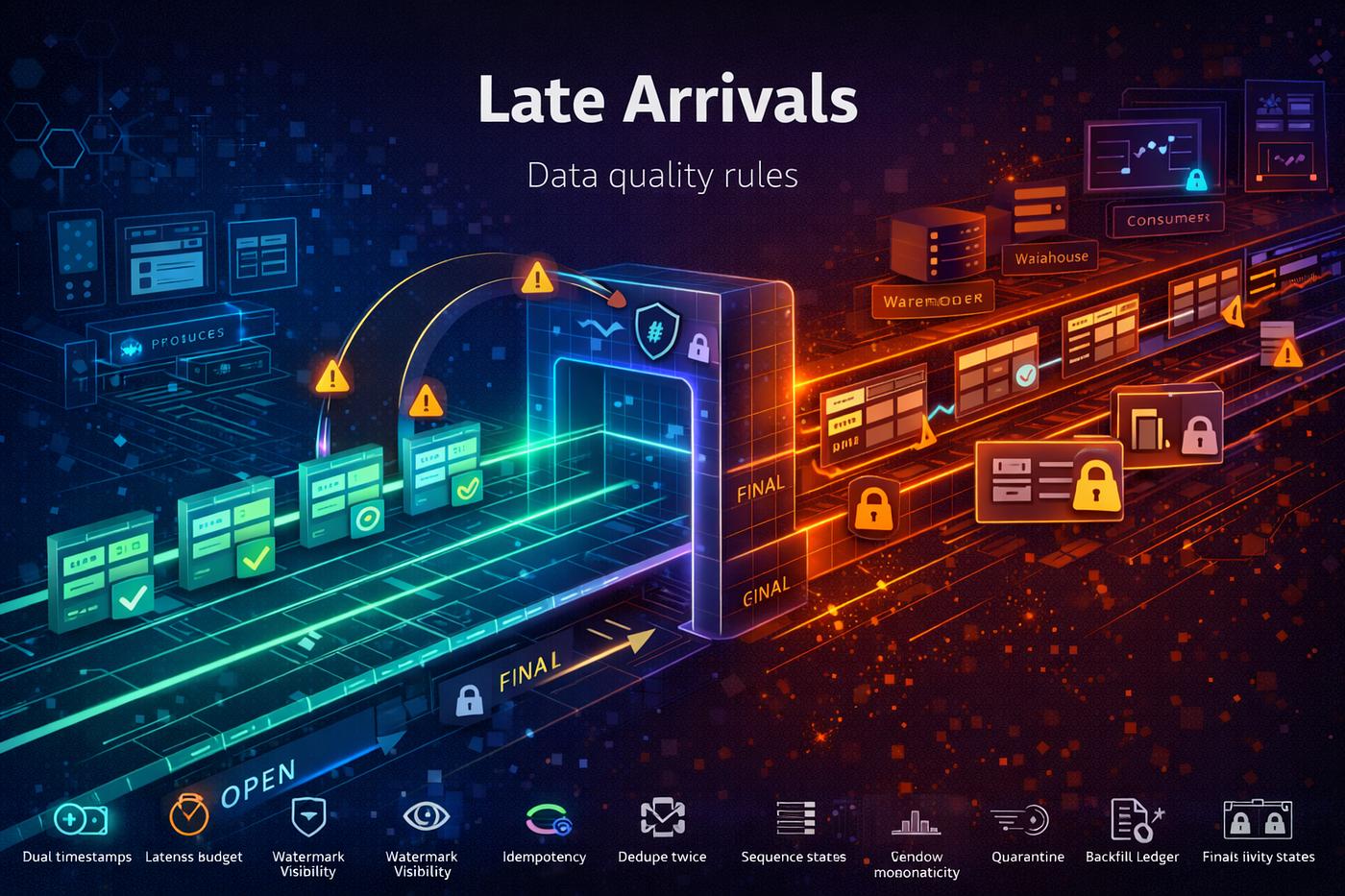
The promise of real-time data is enticing for organizations seeking instant insights and responsive decision-making. However, merely moving data quickly does not guarantee trustworthy outcomes. Streaming pipelines can process events in milliseconds, yet downstream systems may display information minutes late. Duplicates, missing data, and out-of-order events can lead to incorrect conclusions if not properly managed.
Correctness, freshness, recoverability, and operational cost are four critical dimensions that determine whether a streaming architecture delivers real business value. Optimizing one dimension without considering the others can result in suboptimal results. For example, improving latency might increase the likelihood of late corrections.
Evaluating streaming systems across these four dimensions helps identify the optimal balance for specific business needs. Whether enabling fraud detection or ensuring financial reconciliation accuracy, the right architectural choices depend on the unique requirements of each use case.
Written by urgent.news from HackerNoon's reporting — not their text. Machine-written — may contain errors; check the original before relying on it.