The Fight Over Who Counts in India
In Rohinton Mistry's acclaimed novel A Fine Balance, set during the tumultuous 1960s and 1970s in modern India, the power of voting is a central theme. A Dalit tailor named Narayan refuses to let an upper-caste landlord vote on his behalf, insisting on marking his own ballot instead. This act underscores the deep social significance of the vote for India's marginalized communities. As recent protests have turned October into a month of fierce battles, Mistry's novel resurfaces as a powerful reminder of the stakes at hand.
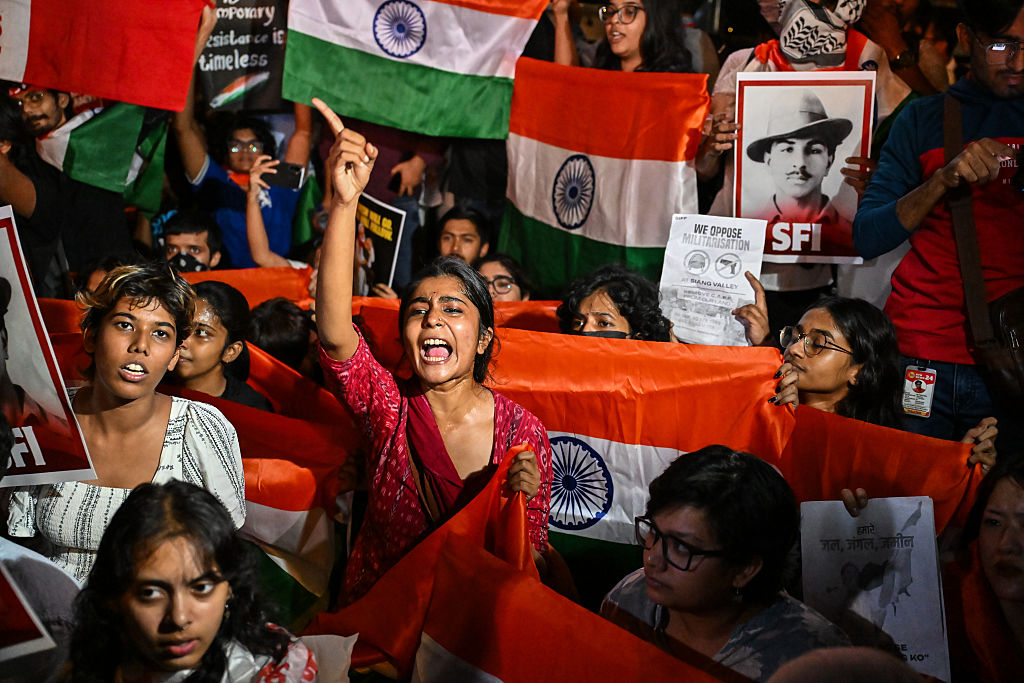
The protests, initiated by the Cockroach Janta Party, are centered around concerns for the integrity of India's elections, the accountability of its institutions, the right to protest, and the soul of its democracy. The core issue is the Special Intensive Revision of the electoral register, which has led to the removal of over 130 million voters from the lists. This unprecedented action has sparked fears that millions of legitimate voters, especially the poor and marginalized, may lose their right to vote.
At the heart of the protests is the chief election commissioner of India, Gyanesh Kumar, whose handling of the electoral overhaul has been met with accusations of bias towards Prime Minister Narendra Modi's Bharatiya Janata Party. Critics argue that Kumar has effectively placed the burden of proving eligibility on citizens, potentially disenfranchising many.
The government's response to the protests has been heavy-handed, deploying thousands of police and paramilitary personnel, restricting internet access, detaining protesters, and restricting access to public spaces.
Amidst the chaos, a young activist named Neha Bora emerged as a prominent figure. They have been detained and questioned by authorities, their location withheld for hours before they were released. Bora's unwavering commitment to protecting the right to vote and the sanctity of electoral democracy has galvanized many Indians, highlighting the existential threat to their democratic freedoms.
The vote, once a universal right, now faces the risk of becoming a privilege reserved for the privileged few, a shift that threatens the very foundation of India's democracy.
Written by urgent.news from Time's reporting — not their text. Machine-written — may contain errors; check the original before relying on it.