‘Systematically dismantled’: Hegseth’s new offensive against China’s Confucius Institutes
Just weeks before Donald Trump’s second trip to China this year and his third meeting with President Xi Jinping, whom he has called a “truly great” friend, his administration is intensifying its crackdown on Confucius Institutes – Beijing-backed centres that promote Chinese language and culture at universities abroad. Long viewed by critics as instruments of Beijing’s soft power and cultural…
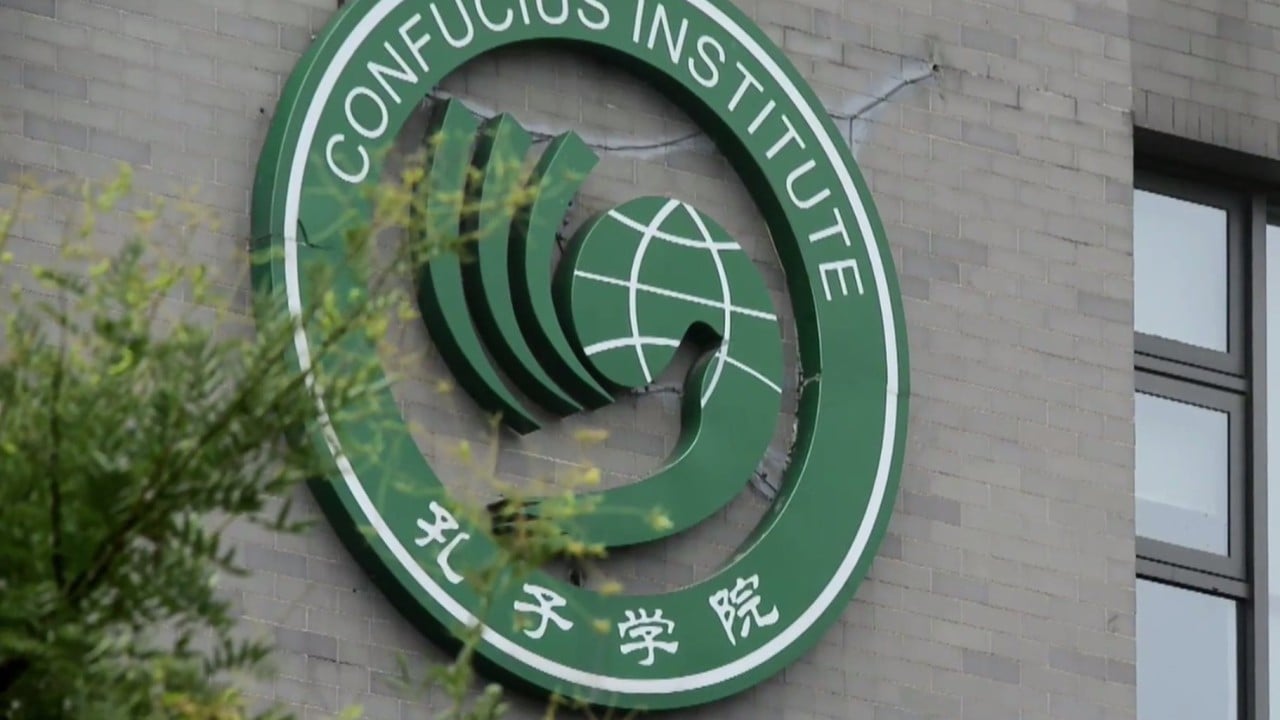
Just before Donald Trump's second China visit and third meeting with President Xi, the US administration is ramping up its assault on Beijing-backed Confucius Institutes, which promote Chinese language and culture abroad. US Defence Secretary Pete Hegseth declared on Friday that the Pentagon had "systematically dismantled" approximately 80 new propaganda cells at 30 universities under different names and charters, yet with the same mission to steal intellectual property and infiltrate American students' minds.
Hegseth claimed the action would serve as a warning to any nation attempting to pilfer US inventions or manipulate students' political views. The Chinese embassy in Washington has yet to comment on the matter.
Established in 2004, Confucius Institutes aim to spread Chinese language and culture through diplomacy. Critics, however, claim the institutes function as an arm of the Chinese Communist Party's United Front and influence operations, raising concerns about academic freedom, transparency, and potential political interference. By the late 2010s, Beijing's network expanded to around 500-550 institutes and 1,000 Confucius Classrooms in over 140 countries.
Following the inaugural US institute in 2005, the network eventually grew to more than 100 institutes on American campuses and numerous Confucius Classrooms in primary and secondary schools.
The latest crackdown occurred as Washington and Beijing continued to explore potential cooperation areas amidst their strategic rivalry. Chinese Foreign Minister Wang Yi urged both nations to collaborate on AI development and governance, stating they "have both the capacity and the responsibility to work together" to ensure the technology remains under human control and benefits people. The move comes as Trump and Xi are set to meet in China next month, with AI anticipated to be a key topic.
While some in the US welcomed Hegseth's move as a necessary step against Chinese influence operations, others who have worked closely with these institutes criticized it as a strategic blunder. Peter Mattis, president of the Jamestown Foundation, defended the Confucius Institutes as an integral part of the CCP's "break and shatter the enemy" strategy.
Denis Simon, former executive vice-chancellor of Duke Kunshan University, contended that Washington had "lost a valuable means of engaging with China." A 2023 National Academies review found no unclassified evidence linking US Confucius Institutes to espionage or intellectual property theft, arguing that closing them would weaken the US's understanding of China and its technological capabilities.
Written by urgent.news from South China Morning Post's reporting — not their text. Machine-written — may contain errors; check the original before relying on it.
This story
This is one outlet's version. Read the fullest account.
- ‘Systematically dismantled’: Hegseth’s new offensive against China’s Confucius Institutes scmp.com
- Pentagon designates Confucius Institutes in US a national security threat freemalaysiatoday.com
- Pentagon puts China-funded Confucius Institutes on US security threat list malaymail.com
- Pentagon designates Confucius Institutes in US a national security threat nst.com.my
- Pentagon designates China-backed campus cultural centers a threat to US national security theguardian.com
- Pentagon designates China-funded Confucius Institutes as US national security threat channelnewsasia.com
- Pentagon designates Confucius Institutes a national security threat aljazeera.com