Stop building digital employees. Start building intelligent companies
The more news we read about the evolution of corporate AI offerings and implementations, the more I struggle with one thing: The industry is rapidly turning AI agents into some sort of simulated employees. There seems to be a rush to build the org chart in silicon: Microsoft gives agents identities, sponsors, access rights, and employment-like lifecycle management , and it explicitly governs them…
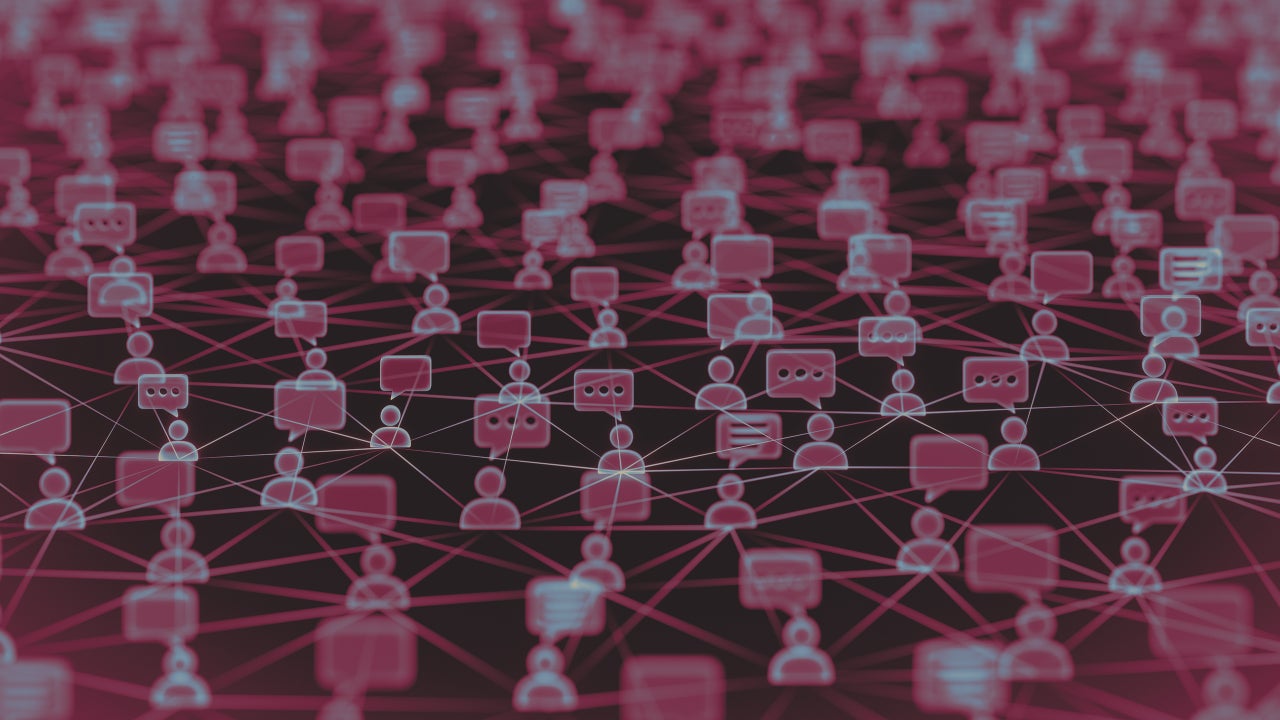
The world of corporate AI is rapidly morphing AI agents into digital employees. Microsoft assigns identities and access rights to agents, while Salesforce calls them "digital workers" and Salesforce ServiceNow issues individual AI passports. Companies are boasting about the number of agents they supervise, as if it were a badge of honor. But is it smart to define our architecture with the employee metaphor?
Human organizations have roles and hierarchies due to our limited attention, memory, and communication capabilities. However, software doesn't share these limitations, and thus doesn't necessarily need to inherit those constraints. Identity and permissions are necessary, but treating agents as if they were magic or human-like is misleading. They are software processes equipped with objectives, tools, context, and memory, capable of making decisions based on their capabilities.
It's crucial that agents are replaceable components, not organizational silos. The knowledge, identity, and operational history shouldn't be trapped inside particular agents. Models should be replaceable components as well. While AI agents are new, the agent mystique needs to end. An agent is not magic; it's a software process with specific functions.
When considering agents as replaceable components, the company's formal representation—its customers, products, employees, suppliers, contracts, processes, relationships, and operational state—must persist. This includes objectives, trade-offs, permissions, and escalation rules. A reliable journal of all relevant decisions, actions, and outcomes must be maintained, ensuring accountability and cybersecurity.
This journal should then feed back into future behavior, enabling the company to learn from successes, failures, and unintended consequences.
The key unit of analysis in corporate AI should be the organizational loop, not "synthetic workers." Better models may enhance individual cognitive performance, while more agents can increase activity, but they don't automatically lead to coherent learning. The next enterprise platform will not resemble a workforce or management system for bots; it will be the persistent substrate for models and agents, preserving the company's accumulated intelligence safely and under control.
Written by urgent.news from Fast Company's reporting — not their text. Machine-written — may contain errors; check the original before relying on it.