Sony is the second-biggest camera brand in the world. Here’s why I think it doesn’t get more love from photographers
The electronics giant has a massive market presence and some brilliant products, but for whatever reason its cameras don’t inspire the same fervour as the traditional photo brands. Why?
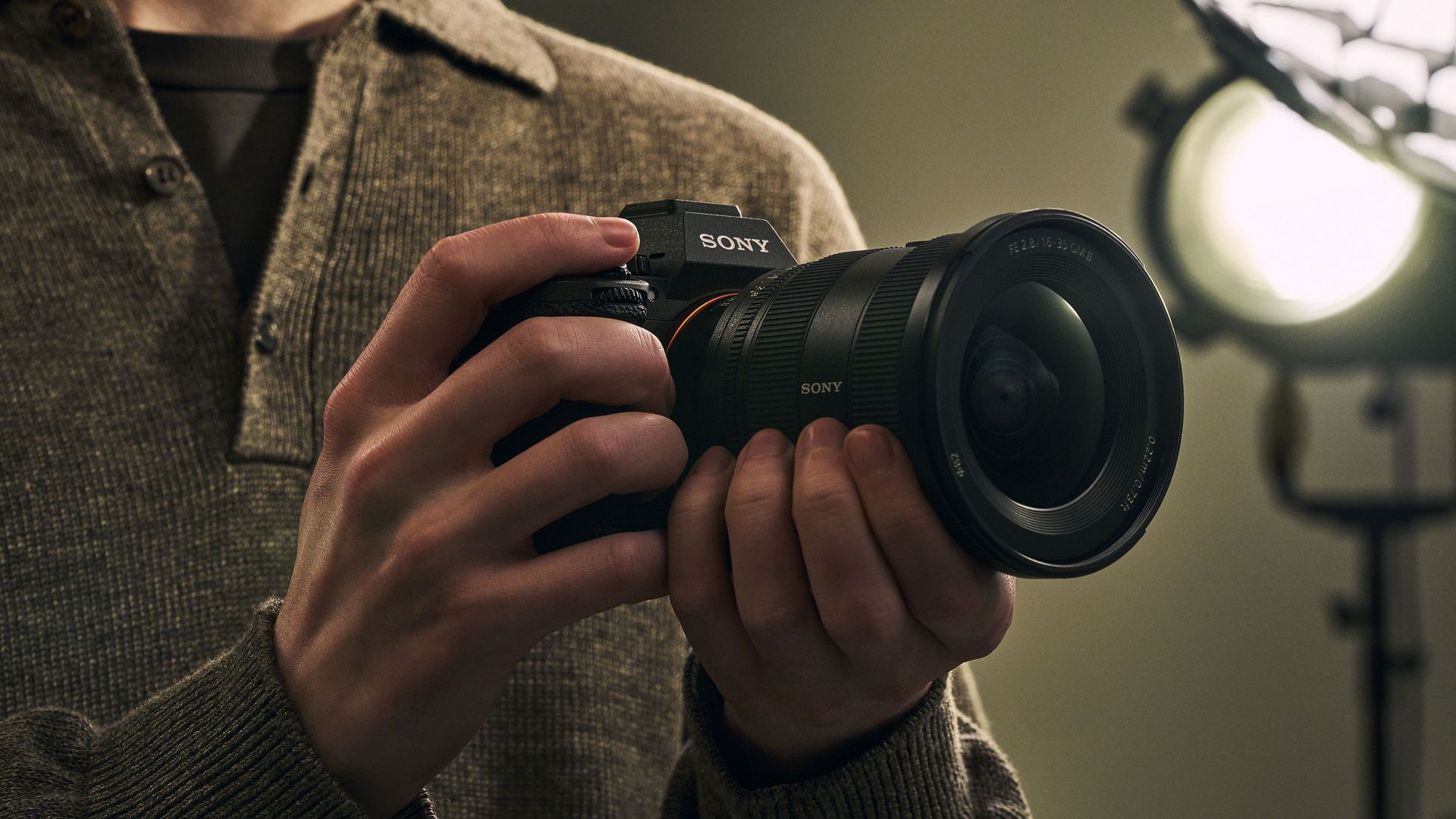
Sony is currently the second-largest camera brand globally, trailing only Canon in terms of total sales and shipments. However, its sensor technology holds a significant market share, with more than 50% of the market. Despite being a massive player in the photographic world, Sony is not typically associated with excitement or admiration among photographers. This could be due to several factors.
Sony has indeed made remarkable strides in camera technology. It was the first company to introduce a full-frame mirrorless camera with the Alpha series A7 and A7R in 2013. However, since then, both Canon and Nikon have also produced comprehensive full-frame interchangeable-lens mirrorless camera ranges. Thus, the period during which Sony felt special to photographers was relatively short-lived.
Prior to this, in 2006, Sony acquired Konica Minolta's imaging expertise to swiftly launch the Alpha DSLR series. This move was a bold statement of intent and an indication of the company's manufacturing capabilities. However, does this alone explain why I don't feel a strong affinity towards the brand? It seems unlikely. There might be a subconscious reluctance to acknowledge that Sony hasn't truly established its heritage, having entered the market without starting from scratch.
One possible reason could be the design of Sony's cameras. The brand's products often feature angular, utilitarian designs that may not evoke the same sense of nostalgia as those from other brands, such as OM System PEN or Leica rangefinders. This might be a superficial issue, but it could contribute to my lack of emotional connection with the brand.
From a visual standpoint, there seems to be a clinical and sterile quality to the images produced by Sony cameras. This could be attributed to the brand's consumer electronics background, which prioritizes function over form and emphasizes capability over craft. Additionally, the images might appear lacking in the warmth and character that other brands can offer.
However, it's possible that the combination of these factors – design, functionality, and image quality – results in Sony feeling more like a brand to admire rather than love. Recent releases like the Alpha 7R VI and the upcoming FX5 have not significantly altered this perception. Therefore, should Sony adopt the successful strategies of its competitors, or would embracing a more retro approach be the better path forward?
Written by urgent.news from Digital Camera World's reporting — not their text. Machine-written — may contain errors; check the original before relying on it.