Qualified migrant women forced into 'survival jobs' are paying price
Women who have migrated to Australia are more likely to be under-utilised in the workforce compared to migrant men, research shows.
Research indicates that migrant women in Australia are 20 percent more likely to be over-qualified compared to male counterparts. Approximately 340,000 migrant women workers in the country are employed below their skill level. Advocates are calling for the appointment of a national commissioner to oversee the skills recognition system for migrants and refugees.
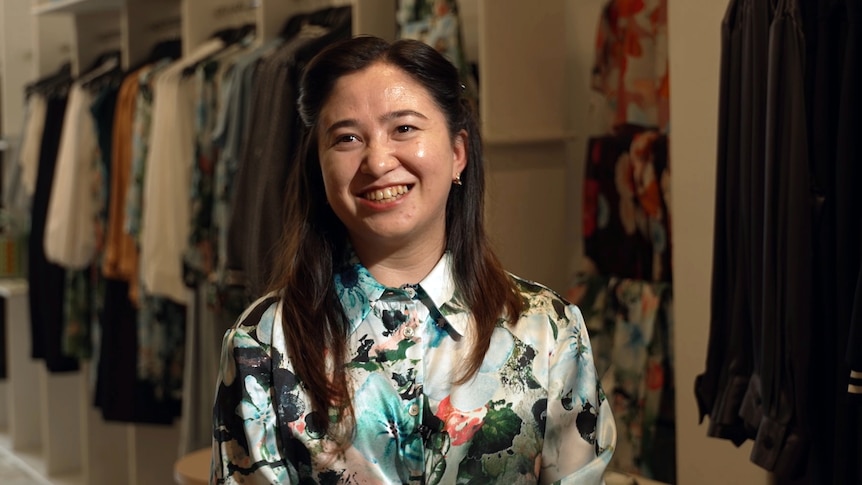
Farukh Tahery, who possessed four years of accounting experience in Afghanistan before relocating to Australia in 2021, had to start her career from scratch following the Taliban's takeover. She expressed feeling inadequate as employers frequently informed her that she was not qualified enough. Tahery, with assistance from Settlement Services International (SSI), secured a position at The Social Outfit—a fashion brand in Newtown that employs refugee and migrant women—where she gained retail experience and eventually helped design new clothing lines.
SSI's research revealed that about 340,000 migrant women in Australia work below their skill level. Malini Raj, Executive Director of the Australian Multicultural Women's Alliance (AMWA), called for a national commissioner to oversee the skills recognition process. She highlighted that many women with overseas qualifications—such as psychologists, engineers, teachers, and nurses—are forced into "survival jobs" due to the complex and costly recognition process.
Raj explained that obtaining recognition can cost women about $50,000 and take two years. She emphasized the challenges faced by these women, who often must restart their careers from scratch and face significant barriers in re-entering their professions.
Consuelo Castillo, a Chilean migrant with seven years of teaching experience and advanced degrees in education, recounted her struggle to find a job in Australia. Initially, her only option was to work as an assistant in after-school care. Castillo aspired for a more straightforward pathway but acknowledged that the current system creates difficulties, particularly with overcrowded classrooms and overworked teachers.
SSI and AMWA have advocated for a national commissioner to streamline the skills recognition process for new migrants and refugees. Raj stressed that many qualified professionals are needed in Australia, and it's time to acknowledge their expertise. Tahery expressed hope in re-entering accounting once she completes her TAFE qualifications, believing that if employers recognized her overseas credentials, it would significantly ease her transition.
Written by urgent.news from ABC News AU's reporting — not their text. Machine-written — may contain errors; check the original before relying on it.