New mRNA Vaccine Reduces Risk of Melanoma Recurrence by Over 40 Percent
The vaccine is personalized to a patient’s tumor, and results from the Phase 3 trial are yet another example of the promise of mRNA vaccines in treating cancer.
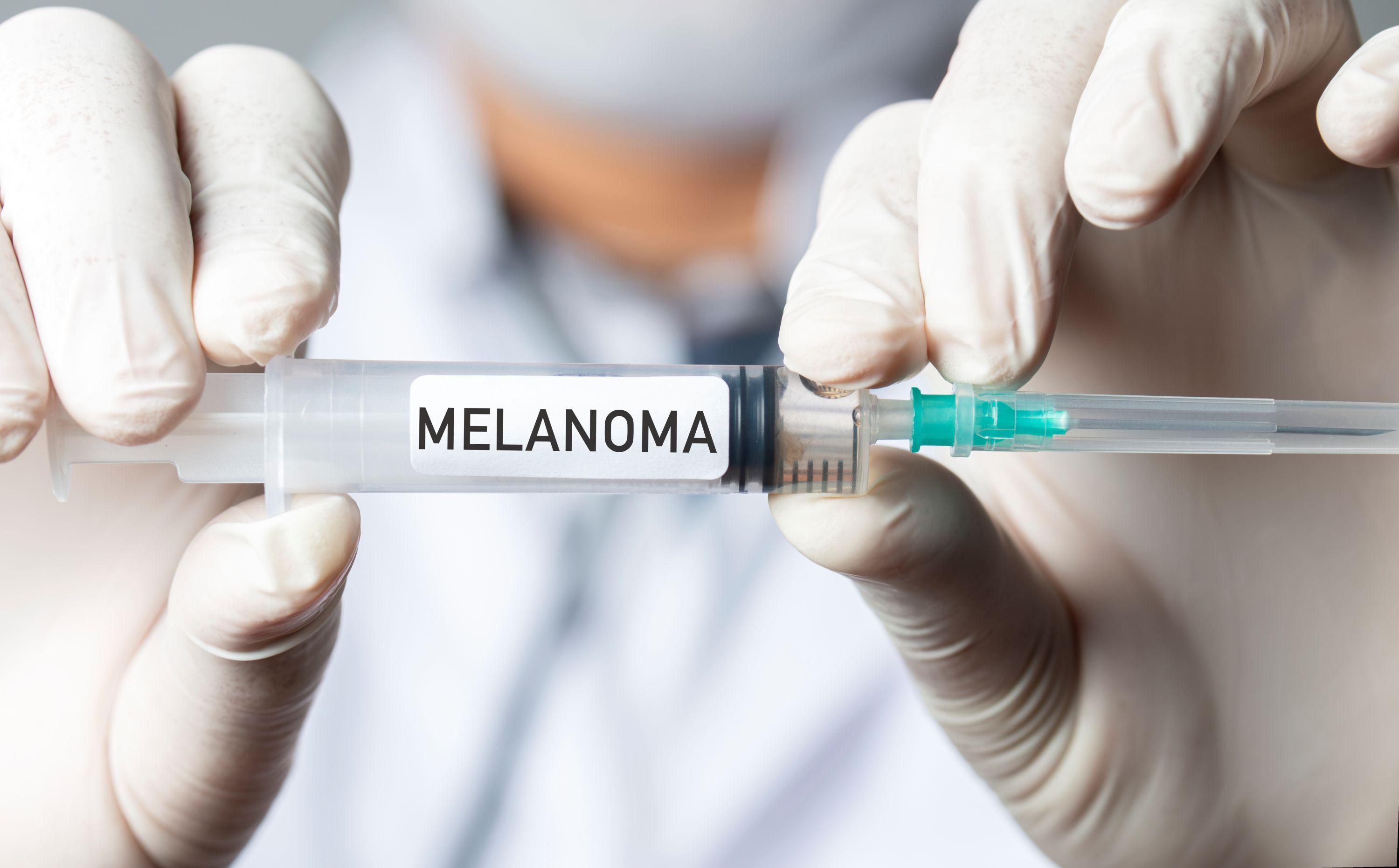
A new mRNA vaccine has shown promising results in reducing the risk of melanoma recurrence by more than 40 percent, according to a Phase III study conducted by the Australian Melanoma Institute. Led by medical director Georgina Long, the trial involved 1,137 patients with high-risk melanoma who had undergone surgery to remove their tumors.
Participants were randomly assigned to either receive Pembrolizumab alone or Pembrolizumab in combination with the experimental vaccine, called Intismeran Autogene. After an average monitoring period of 24.6 months, the researchers found that the addition of the vaccine reduced the risk of cancer recurrence or death by 42 percent compared to Pembrolizumab alone.
The vaccine, developed from each patient's tumor sample to identify specific mutations, reduced the risk of disease spreading to other parts of the body by 38 percent. Eva Muñoz Couselo, a melanoma researcher not involved in the study, called the results "a major breakthrough in the treatment of melanoma and personalized medicine."
The vaccine, while not intended to prevent melanoma, was shown to be safe and effective when used alongside Pembrolizumab, with mild side effects reported. Moderna CEO Stéphane Bancel emphasized the potential of mRNA technology to transform cancer treatment. The pharmaceutical companies stressed that the vaccine is meant to improve outcomes following prior medical treatment and noted that further investigation is needed to validate its efficacy and obtain approval before wider use.
Melanoma remains one of the deadliest cancers, causing over 50,000 deaths globally each year. Similar personalized mRNA vaccines have shown promise in treating other types of tumors, such as pancreatic cancer. However, scaling up the personalization of these treatments remains a challenge due to the complexity and cost involved.
The study's findings could pave the way for tailored vaccines against various cancers, but there is still work to be done to make this breakthrough a reality for all patients.
Written by urgent.news from Wired's reporting — not their text. Machine-written — may contain errors; check the original before relying on it.
This story
This is one outlet's version. Read the fullest account.