Mengapa operator terminal bas perlu kawal jualan tiket?
Menteri pengangkutan dan Agensi Pengangkutan Awam Darat wajar menimbang semula keputusan dengan serius sebelum ia berkuat kuasa 1 Nov.
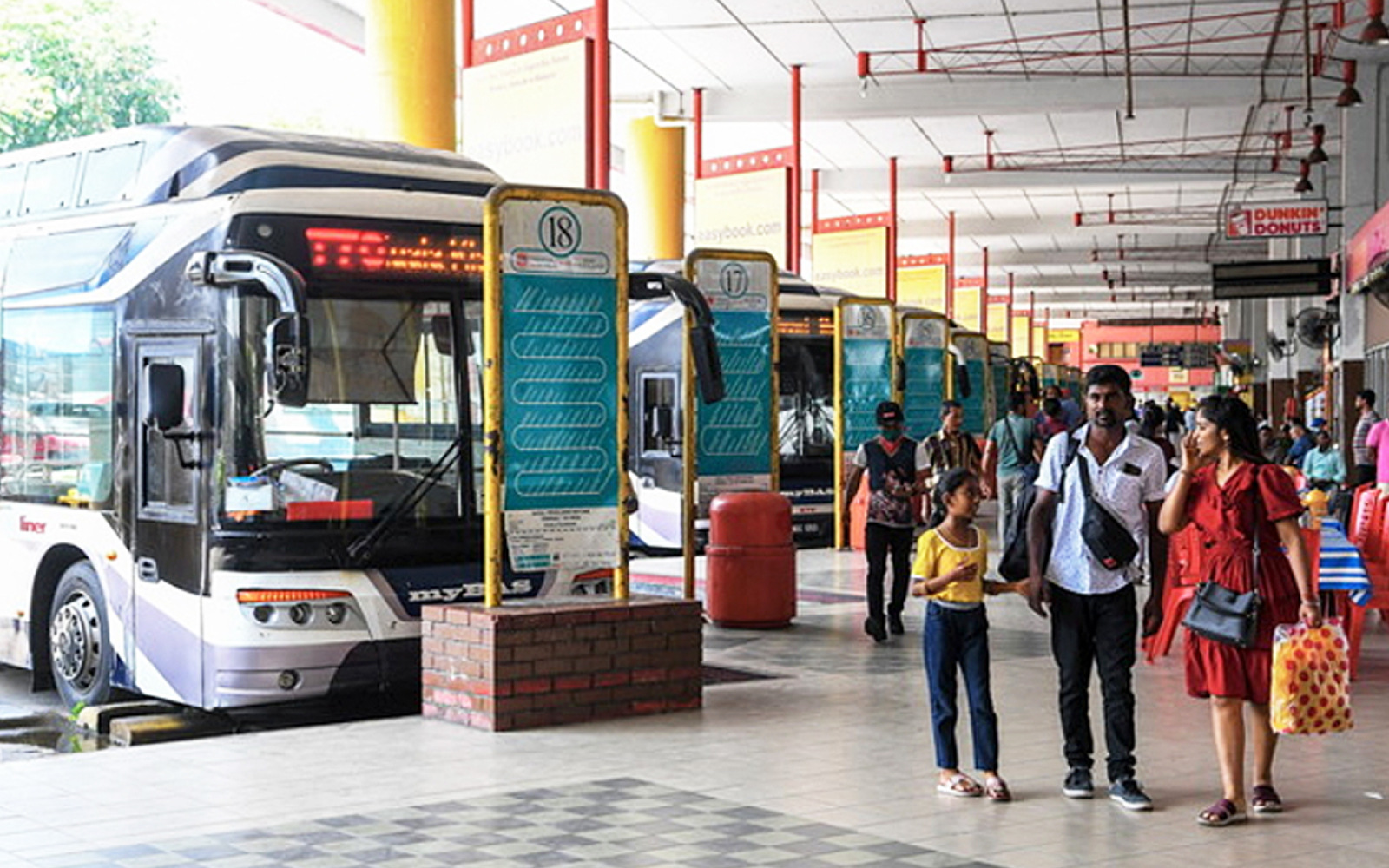
The issue of why express train terminal operators need to control ticket sales has emerged as a significant problem within Malaysia's public transportation industry. On October 16th, Transport Minister Loke Siew Fook announced a rule that mandates all express train tickets to be sold exclusively through the respective terminal. The head of the Domestic Transport Agency (Apad) then issued guidelines requiring train operators to comply by November 1st, 2026, giving them only two weeks to prepare.
The implications are far-reaching. This is not merely a change in ticket sale methods; it shifts control of ticket sales from the train operators to the terminal controllers, creating an additional layer of commercial control in an industry already facing rising operational costs. The most fundamental question is why terminal controllers should be given exclusive rights to sell tickets for a service they don't control?
Would Malaysia Airlines and AirAsia agree if KLIA controllers were given exclusive rights to sell tickets for their flights? It is also intriguing to know the reaction of owners and CEOs of airlines if the public authority Malaysia Airports issued such an order with only two weeks to comply. It is no different from terminal controllers imposing fees or fees for passenger services.
However, granting them exclusive control over ticket sales is a completely different matter. The idea is hard to defend and is not common elsewhere. Terminals should provide convenience to the train service, not control their ticket sales. The express train industry in Malaysia has long been tied to a centrally managed transport planning approach.
Operators are required to use specific terminals regardless of their location's passenger-friendliness or relationships with other transportation systems. At the same time, many terminals have become commercial real estate projects involving significant investments in construction and facilities, requiring returns. Train operators must pay terminal fees, while passengers must endure inconvenience and additional costs to reach terminals that may not have a good relationship with their actual destinations.
The situation becomes more problematic when terminal controllers are also given exclusive control over ticket sales. Under the new Apad guidelines, terminal controllers will have sole rights to sell tickets for express train services operating from their terminals. They will also be responsible for managing the journey, bas transfers, and ticket sales transactions.
This raises another question. If train operators are responsible for running the service, maintaining the vehicles, hiring drivers, and complying with safety standards, why should they surrender control over ticket sales themselves? Terminals provide infrastructure, while train operators provide the transportation service. Both are commercial functions with different roles.
There is no sound reason to combine them through a mandatory directive that gives one party control over another's revenue stream. The Transport Ministry should thoroughly examine this Apad order before it takes effect. This article is the writer's opinion and does not necessarily represent FMT.
Written by urgent.news from Free Malaysia Today's reporting — not their text. Machine-written — may contain errors; check the original before relying on it.
This story
This is one outlet's version. Read the fullest account.
- Mengapa operator terminal bas perlu kawal jualan tiket? freemalaysiatoday.com