Let children discover what they can do
The greatest gift we can give children is not the ability to know all the answers, but the confidence to find their own. We need to start developing independent learners much earlier than we do. Too often, independence is treated as something children are expected to acquire when they reach secondary school, university or the workplace. By then, however, we may have spent years teaching them to…
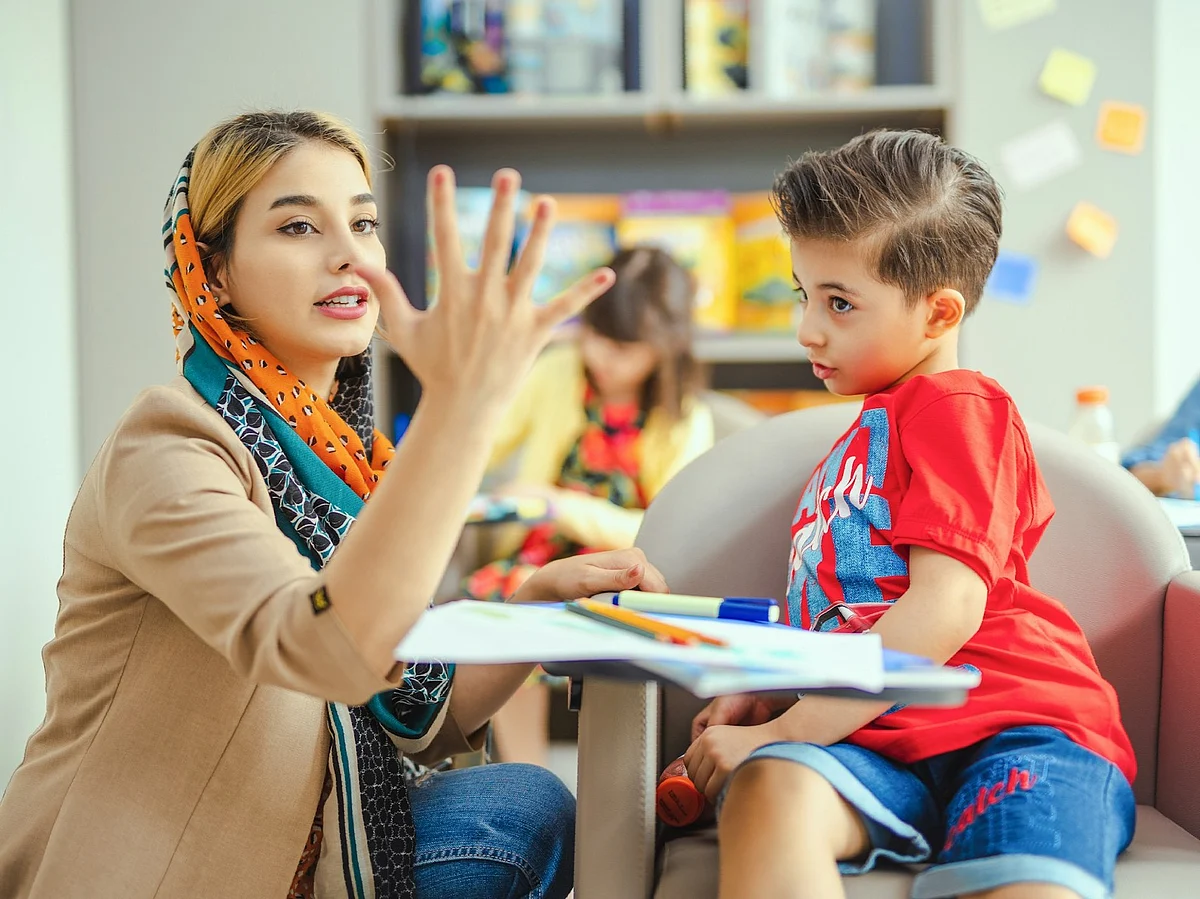
Children's most valuable gift is not the ability to know all the answers but the confidence to discover their own paths. It is crucial to foster independent learners from a young age, instead of waiting until they enter secondary school, university, or the workforce. Too often, we teach children to wait for instructions, seek "right" answers, and depend on adults to dictate their actions. True independence begins in early years, not when children reach adulthood.
Independence learning is not about leaving children to figure everything out alone or removing teachers or parents from the process. Instead, it necessitates thoughtful adults who know when to provide information, guide, question, and importantly, step back. At its core, it involves giving children knowledge and then presenting opportunities for them to apply that knowledge.
Imagine a simple classroom concept like absorption. A teacher can explain and demonstrate absorption, quiz children on the definition, and test their recall. However, there's another approach. Provide children with various materials like sponges, tissue paper, cotton, cloth, wood, plastic, and aluminum foil. Supply them with water and ask them to predict which materials will absorb water.
Let them investigate, observe, touch, test, compare, record, and discuss. They may disagree or discover unexpected results. Ultimately, ask them to report their findings.
This is a different kind of learning. The teacher provides knowledge and structure, but the child takes ownership of the learning. This continuous cycle of think, do, learn, unlearn, and try again is vital in a world where information is abundant. AI can generate information and solutions instantly, leaving us to ask not just whether a child knows, but what they can do with their knowledge.
Can they question information, make connections, apply knowledge to new situations, make decisions, evaluate outcomes, and adapt when new evidence emerges? These are the skills that will matter most in the future.
Yet, developing independent learners demands courage from adults. We must allow children to take appropriate risks and make mistakes. Our instinct is often to protect children from failure, quickly correcting them or providing answers. However, in doing so, we may shallowen learning. Mistakes can be powerful teachers, deepening understanding when children are encouraged to ask why.
When a child tries and fails, resilience grows when given the chance to try again. Intellectual humility develops when children change their minds based on new evidence.
Our role is to create safe environments for children to explore, experiment, and take risks. We can ask them about their predictions, encourage them to consider alternatives, and reflect on what they've learned. Most importantly, we can ask them how they might apply this learning in real life. These questions gradually shift responsibility for thinking from adults to children.
This should extend beyond classrooms. Everyday life offers countless opportunities for children to learn to be independent—organizing their school bag, planning projects, helping prepare meals, caring for plants, resolving disagreements, and fixing issues. Nudging children towards discovery is crucial. We should provide knowledge, ask questions, create opportunities, and then step back enough for children to discover things for themselves.
When a child proudly declares, "I did it myself," it's more than a small achievement; it's the beginning of confidence, agency, and ownership. It's a child learning they can think, decide, try, and learn independently. Let us celebrate every discovery, question, attempt, and even mistake, as they all lead children closer to understanding.
Written by urgent.news from Gulf News's reporting — not their text. Machine-written — may contain errors; check the original before relying on it.