Kaji bagaimana F1 jana RM950 juta, kata pakar
Ahli ekonomi dan pakar pelancongan berkata penganjuran F1 secara berkala hanya berbaloi jika lebih banyak pendapatan diperoleh daripada perbelanjaan pelancong asing.
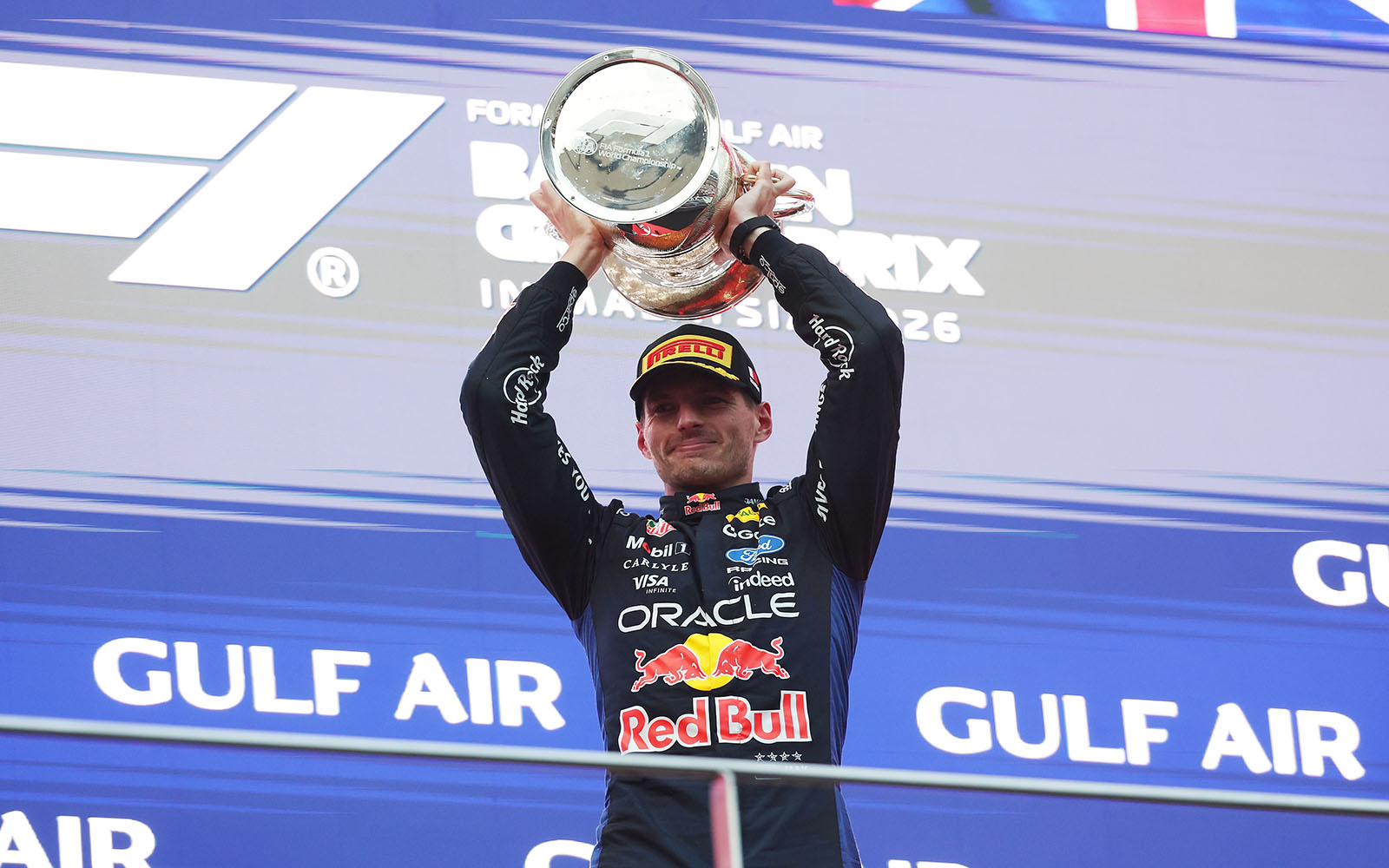
Economist Yeah Kim Leng and tourism management expert Hafiz Hanafiah stated that the key to boosting Malaysia's economic benefits through the promotion of the F1 event is increased spending by foreign tourists. According to a study, an in-depth analysis is needed to determine how the Bahrain Grand Prix F1 event, held recently in Sepang, generated an economy of RM950 million before the government decided to make it a regular event.
Yeah Kim Leng, an economist from Sunway University, said Malaysia needs to first identify the amount of spending over the weekend of the race from October 2 to 4. Simply put, some of this economic contribution may come from Malaysian citizens who otherwise would have spent their money elsewhere, whether on a vacation or some other leisure activity.
Hafiz Hanafiah, a lecturer in tourism management at Universiti Teknologi MARA, said the real impact is the spending of foreign tourists. To explain his point, he used the analogy of a bathtub. Imagine Malaysia's economy like a bathtub, he told FMT while explaining that the amount of water in the bathtub will only increase if more water is poured into it.
If a Malaysian citizen cancels a trip to Langkawi just to buy F1 tickets, they are simply moving water from one part of the bathtub to another. The situation may seem busy, but the water level does not rise. He added that foreign tourist spending is crucial to stimulating Malaysia's economic growth. Last week, Tourism, Arts and Culture Minister Taufik Johari announced that the Bahrain Grand Prix F1 event generated revenue of USD232 million, or RM950 million for Malaysia.
A total of 261,000 spectators filled the seats for the three-day race. Furthermore, Taufik said the event attracted more than 50,000 foreign tourists to Malaysia. In other words, the government is considering the possibility of hosting the F1 event in the coming years in cooperation with other countries rather than hosting it annually.
However, he said this is still in the early stages and a report on costs and expected benefits will be ready by the end of the month. Hafiz said that although Malaysia is only hosting the event once in a few years, each time it needs to generate at least RM300 million in additional revenue from foreign tourist spending to ensure it is worth it.
However, that amount is only enough to cover the bidding fee to be paid to Liberty Media, the commercial rights holder of F1. For the recent F1 race in Sepang, Bahrain paid the bidding fee, allowing Malaysia to benefit from tourist spending without incurring any initial costs. As a result, it is clear to Hafiz that Bahrain will receive all ticket sales revenue.
Yeah said this rule will not apply to future events if Malaysia decides to host the event only once again. Involving the private sector, he continued, the government could involve private companies to host the event and absorb the bidding costs, as Singapore has done. He also suggested extending the F1 event to 10 days and holding it in different regions throughout the country to encourage longer-staying tourists and spend more.
However, Yeah also warned that Putrajaya needs to first determine whether the RM300 million needed to host the event is better spent on essential public needs such as schools and hospitals. The same money could be used to address more urgent economic priorities. Yeah argued that hosting the event only occasionally rather than annually could reduce government spending while keeping public interest.
However, ongoing maintenance costs for the Sepang International Circuit alone could reach RM10 million per year.
Written by urgent.news from Free Malaysia Today's reporting — not their text. Machine-written — may contain errors; check the original before relying on it.
Also reported by 1 other outlet
- Kaji bagaimana F1 jana RM950 juta, kata pakar freemalaysiatoday.com