Japan Actors Union pushes for heavy restrictions on AI copying dead actors
It's part of a broader set of guidelines the union hopes to set an industry-wide precedent for.
The Japan Actors Union, representing approximately 2,600 performers, has recently proposed a set of guidelines aimed at safeguarding the rights of artists in the face of generative AI. This issue has been a subject of debate both in Japan and internationally, with some arguing that AI voice acting is contradictory, as it lacks human essence.
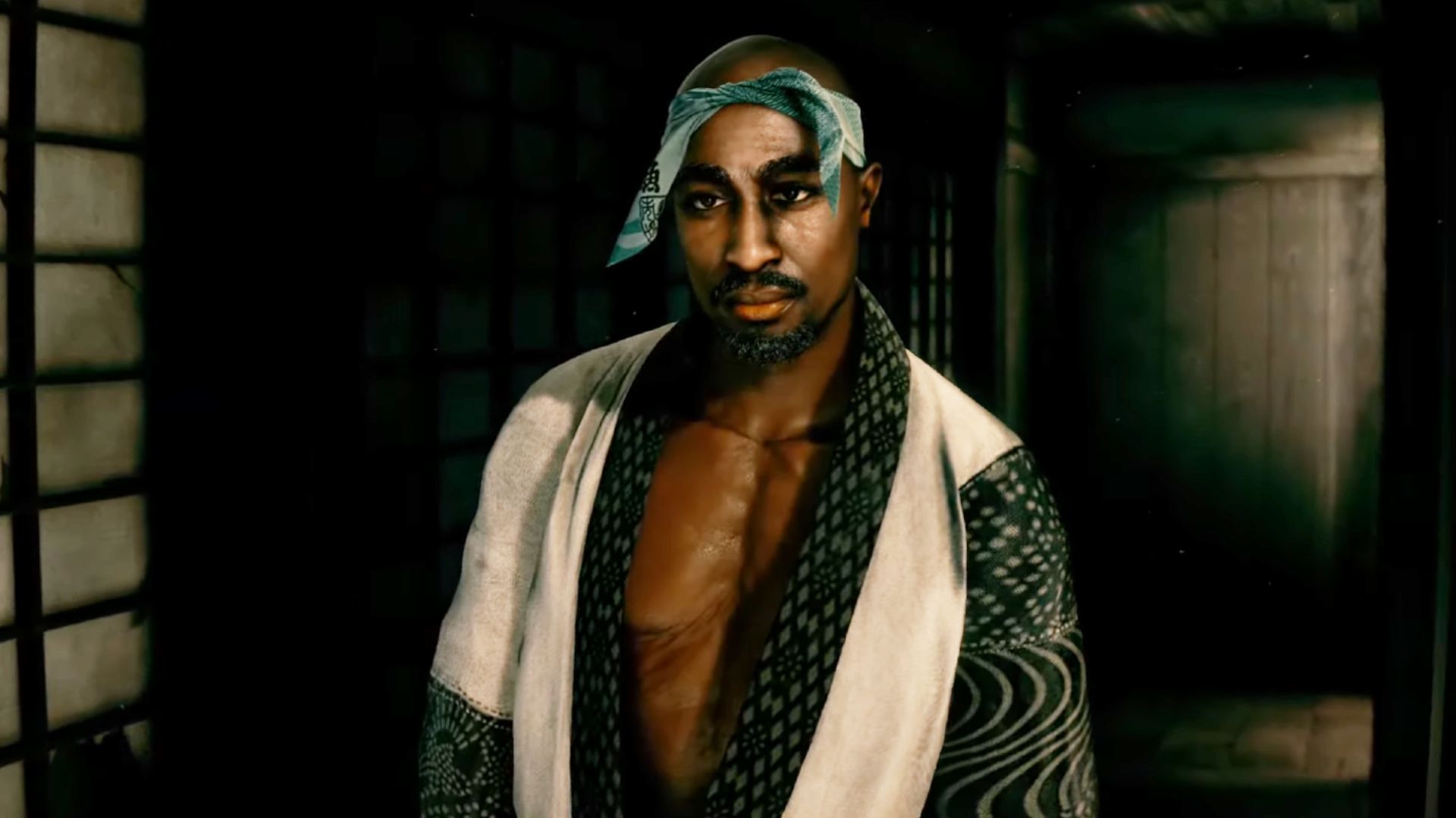
The union's suggested measures seek to ensure that consent is obtained at each step of the process. Companies would need to disclose when an actor's voice is used for training purposes, and they would also have to negotiate payment with the performers. These consent requirements would extend to AI-generated performances and the imitation of deceased actors, including Tupac's appearance in Stranger Than Heaven.
The guidelines would prohibit the use of AI to replicate a dead actor's voice without prior consent from the deceased's family or estate, along with the payment of royalties. The union emphasizes the importance of preserving the dignity, honor, and legacy of performers, especially from commercial exploitation. They believe that respecting the deceased's wishes throughout their lifetime is crucial, and that strict permission from the family or administrator who inherits the rights is necessary to prevent the disrespectful use of AI.
While these guidelines may appear moderate and reasonable, their effectiveness on a larger scale within the Japanese entertainment industry remains to be seen.
Written by urgent.news from PC Gamer's reporting — not their text. Machine-written — may contain errors; check the original before relying on it.