In besieged Yemeni city, drinking water supplies hit crisis levels
Drinking water has been scarce for over a decade in Taiz, but the problem has reached crisis levels in recent weeks as Iran-backed Houthi rebels besiege Yemen’s third-largest city in their escalating conflict with government forces. The needs of Taiz’s more than 1 million residents are now barely being met, humanitarian groups say, as access to wells is limited, desalination plants run low on…
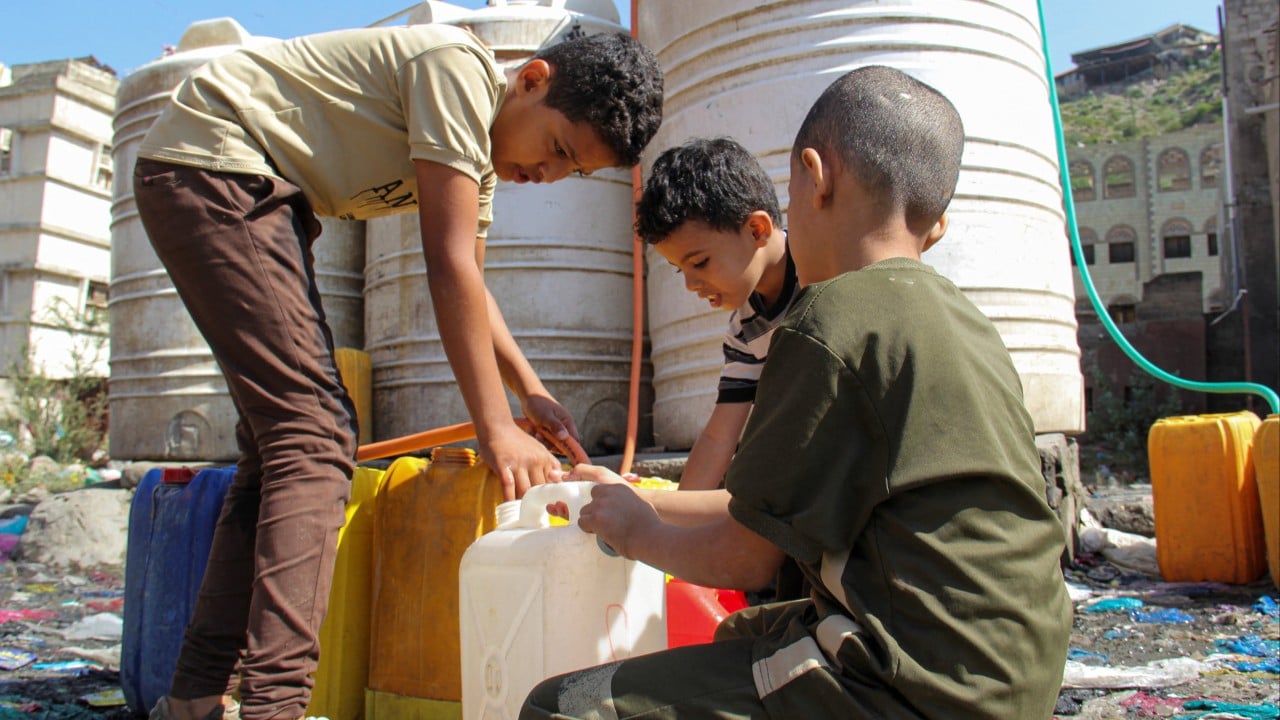
Drinking water in Yemen's city of Taiz has been scarce for over a decade, but the crisis has worsened recently as Houthi rebels besiege the third-largest city in their conflict with government forces. With the needs of over 1 million residents barely being met, humanitarian groups report access to wells is limited, desalination plants have low fuel supplies and trucks delivering water are largely barred from entering the city.
Families are now rationing their water, with one family using their previous 10 liters per day for drinking and cooking to last about four days. Prices for bottled water have surged by up to 75%, and some residents have begun buying water on credit. The siege of Taiz, which is a strategic gateway to southern Yemen, restricts water supplies but also contributes to soaring food prices, fuel shortages and difficulty maintaining basic services such as hospitals and sanitation.
Amnesty International has called on the Houthis to open roads into the city, warning Taiz is on the brink of a severe humanitarian disaster. The conflict in Yemen began in 2014 when the Houthi seized much of the north, forcing the internationally recognized government into exile. Taiz has been a focal point of fighting ever since, exacerbated by war-related damage to the city's ageing water infrastructure.
In August, as Yemen became a front in the Iran war, Houthi forces ramped up their advance on Taiz, cutting off residents' access to wells and reducing deliveries from outside the city. Fuel supplies are dwindling, making water pumping and other basic services difficult. With many displaced families living in makeshift shelters or tents and surviving on one meal a day, health risks are rising as contaminated water could lead to diseases like cholera.
Written by urgent.news from South China Morning Post's reporting — not their text. Machine-written — may contain errors; check the original before relying on it.
Also reported by 1 other outlet
- Drinking water supplies dwindle in Yemeni city besieged by Houthi rebels winnipegfreepress.com