Immobilien: Wo KI in der Hausverwaltung wirklich hilft – und wann sie teuer wird
KI-Assistenten nehmen nachts Mieteranrufe entgegen, erstellen Nebenkostenabrechnungen und formulieren Mietverträge. Doch Experten warnen Vermieter vor juristischen Risiken.
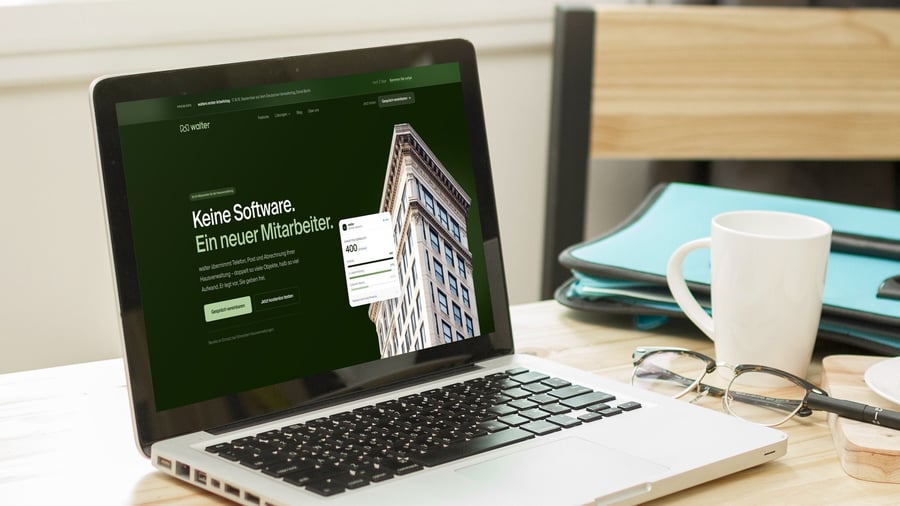
In the world of property management, multiple residential units can present a daunting task. Managing rent agreements, tracking utility bills, and handling numerous emails can be overwhelming for property owners. Digital tools and Artificial Intelligence (AI) promise to alleviate these challenges, with platforms such as Scalara, immoware24, walter, and Casavi leading the pack.
These tools automate a variety of duties, ranging from operational cost breakdowns and document processing to contract templates and operation automation. AI telephone assistants like fonio even answer inquiries from tenants at any hour of the day, generating task tickets automatically. By automating the allocation of bills, conducting verifications, and comparing previous years' data, these tools help landlords save time.
However, relying on technology without caution can lead to costly errors. These include inaccurate billings, ineffective contracts, and privacy breaches.
Inka-Marie Storm, Chief Justice at Haus & Grund, issues a warning: "Not everything that is technically possible can be instantly legally permissible." The Handelsblatt interviewed experts to understand in which situations AI truly benefits landlords and what they should watch out for when employing digital assistants.
Written by urgent.news from Handelsblatt's reporting — not their text. Machine-written — may contain errors; check the original before relying on it.