How Northern Kenya is building a circular economy through sustainable tourism
SAMBURU, Kenya, Oct 24 – In the rugged landscape of Northern Kenya, where prolonged droughts strain communities and wildlife compete for increasingly scarce water, the survival of an orphaned elephant…
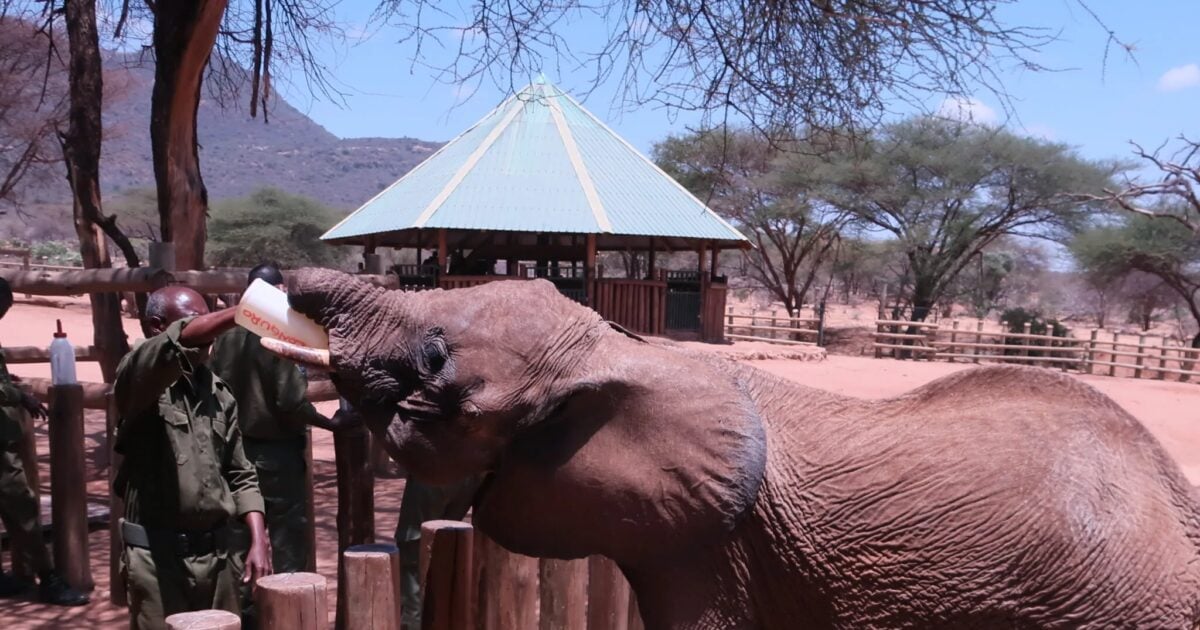
In Samburu, a remote region of Northern Kenya, an innovative approach to circular economy is taking root through sustainable tourism. The Reteti Elephant Sanctuary, established in 2016 by the local Samburu community, rescues and rehabilitates orphaned elephants while also providing a sustainable source of income for nearby households.
The sanctuary purchases over 1,000 liters of goat milk daily from local women to feed the elephants, generating sh6.5 million in revenue for the community. This provides a consistent market for livestock products in a region where drought and unpredictable weather pose significant challenges to livelihoods.
Tourism revenue collected by the sanctuary is divided between the surrounding community and the institution's operating costs, with 60% allocated to the community and 40% retained for sanctuary operations. This allocation supports essential needs such as school fees and hospital bills, directly linking wildlife conservation to household welfare.
As part of the Kenya Tourism Board's Hapa Ni Wapi campaign, the sanctuary exemplifies how sustainable tourism can foster economic development in lesser-known destinations. By linking conservation efforts with local supply chains and community participation, Reteti demonstrates the potential for wildlife protection to generate economic opportunities that extend beyond traditional accommodations, transport, and game drives.
This approach not only supports the sanctuary's mission but also strengthens the resilience of the entire destination.
Written by urgent.news from Capital Business's reporting — not their text. Machine-written — may contain errors; check the original before relying on it.