Here’s the ‘core economic flaw’ in the AI bull case as stock and bond trades unravel, according to a top economist
Economist Torsten Slok has been vocal in his criticism of the AI investment boom, arguing there is a fundamental flaw in the premise that AI will deliver unlimited growth. On Tuesday, Slok noted that demand for compute power, the hardware behind AI, has slowed and is highly price-sensitive. Most companies investing in AI technology have yet to see significant productivity benefits, suggesting AI is more of a cost center than a revenue driver.
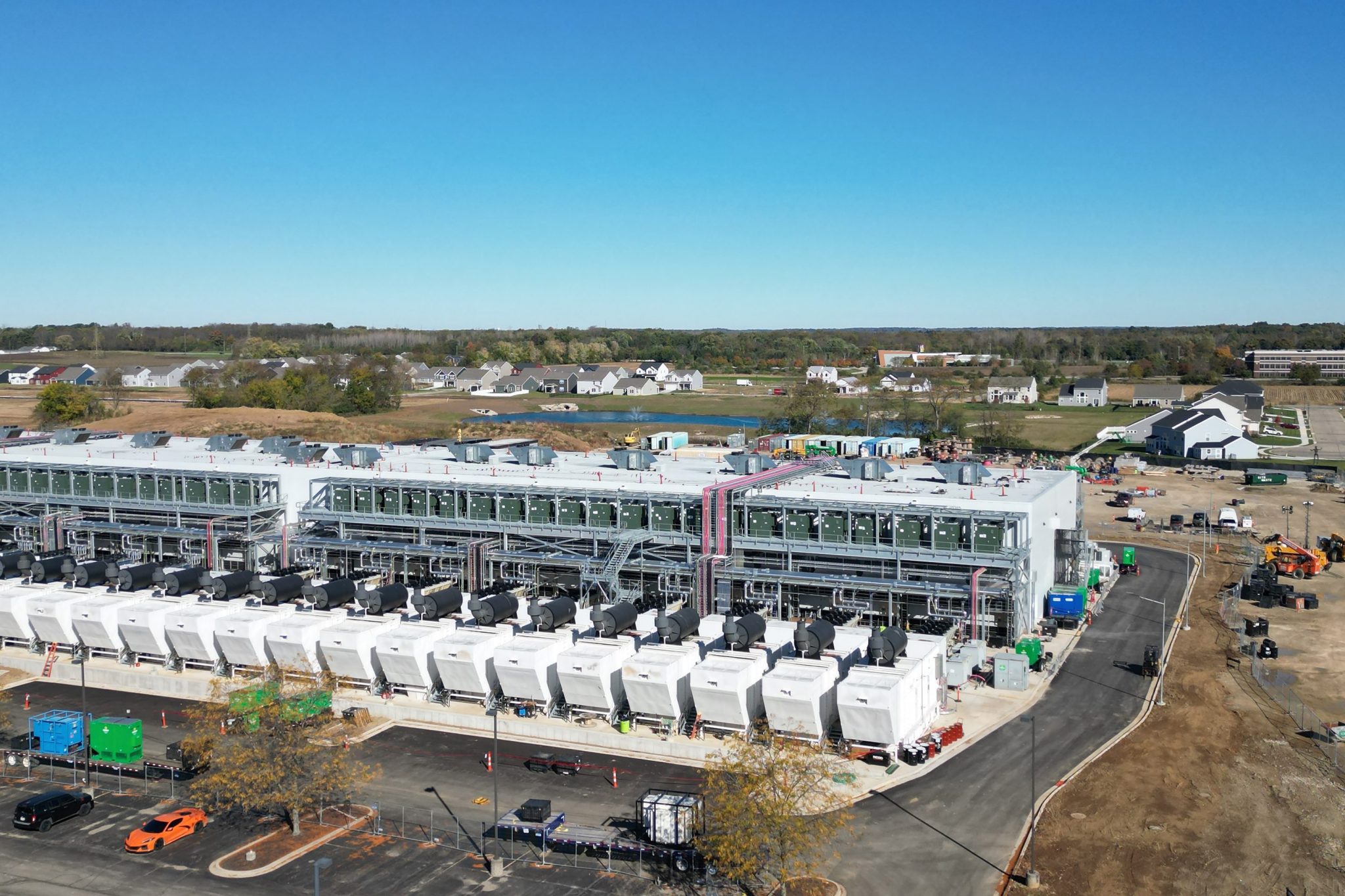
Slok warned that the core economic flaw in the AI bull case is that the cost of producing compute exceeds the benefit it provides to users, casting doubt on claims of unlimited demand for data centers. He pointed out that the main factor in data center construction models is the price users are willing to pay for compute, which companies will only pay if it leads to higher revenue, profits, or cost savings - but there's little evidence of such benefits on a large scale.
Slok's concerns were echoed on Thursday when he raised alarm about "circularity" in token spending, where AI companies provide financing to other AI-focused firms they also rely on, raising doubts about the sustainability of their growth. He suggested a similar dynamic exists between AI startups and venture capital firms, indicating that 80% of the top 1% of AI spenders are backed by VCs, meaning startups are paying for compute with venture capital rather than organic earnings.
On Saturday, Slok declared that AI has "delivered zero financial payoff" to U.S. companies outside the big hyperscalers, noting that profit margins and revenue per worker are rising for the so-called Magnificent Seven, while the rest of the S&P 500 has seen no improvement. Echoing earlier notes, Slok said Corporate America does not need or want the latest AI model and is unwilling to pay for it.
Despite the potential cost reduction, mainstream companies may struggle to leverage AI to boost financial results due to the subjective nature of judgment and the factors AI cannot comprehend, such as accountability, trust, culture, ethical trade-offs, and fairness. The series of warnings came as AI-related stocks, particularly chip names, tumbled, with traders questioning the sustainability of the current spending spree.
Major hyperscalers plan to spend $800 billion this year, with capex next year expected to surpass $1 trillion. However, AI companies may face challenges in raising this capital. Meta has already issued debt and announced new share issuance to cover potential wealth taxes in California, with the cost of insuring its debt against default reaching a record high.
Smaller AI companies, like CoreWeave, have seen significant stock declines and rising credit default swap premiums, indicating heightened risk. Additionally, S&P Global warned of interconnected financing structures between hyperscalers and data center projects or AI companies, suggesting there may be undisclosed debt that could further amplify risks.
Written by urgent.news from Fortune's reporting — not their text. Machine-written — may contain errors; check the original before relying on it.