Govt focused on export-led sustainable growth, private sector facilitation: finance minister
Federal Minister for Finance and Revenue Muhammad Aurangzeb said on Saturday structural reforms were under way to stabilise Pakistan’s economy, with the government focusing on export-led sustainable growth, improving the tax system, reducing energy costs, and encouraging the private sector. He said IT exports were expected to reach $5.5 billion and remittances $44 billion during the current…
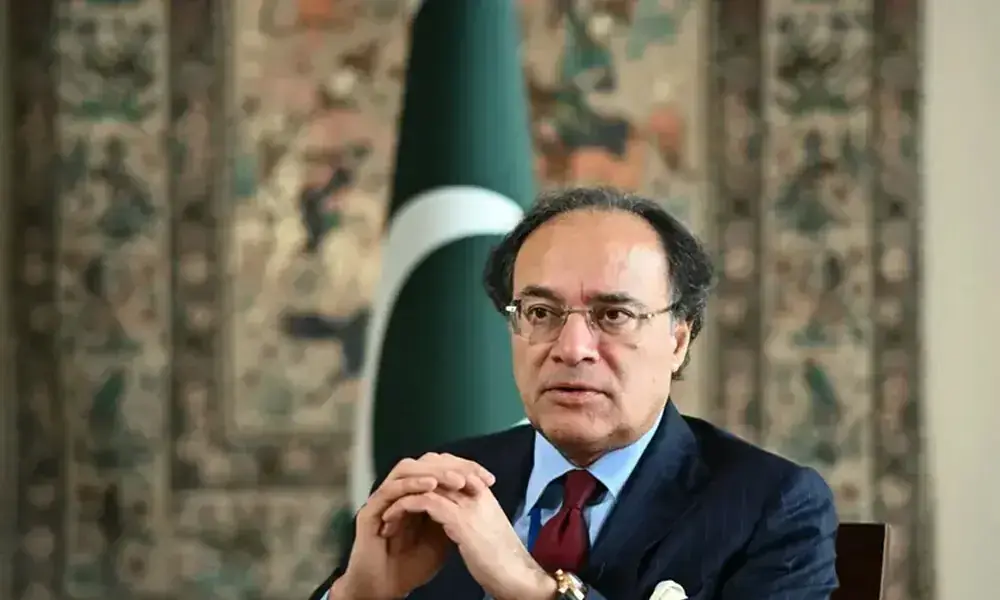
Federal Minister for Finance and Revenue Muhammad Aurangzeb announced on Saturday that the government is implementing structural reforms to stabilize Pakistan's economy through export-driven sustainable growth. The focus is on enhancing the tax system, lowering energy costs, and encouraging private sector participation. IT exports are projected to reach $5.5 billion, while remittances are expected to hit $44 billion in the current fiscal year.
Foreign exchange reserves are robust, capable of covering over three months of imports. Addressing a ceremony at a Lahore university, Aurangzeb emphasized the need to move away from Pakistan's history of boom-and-bust cycles and towards a growth trajectory that generates employment and ensures benefits reach the populace. He stressed the dangers of excessive reliance on imports, which have previously caused balance-of-payments crises, with each taking four to five years to resolve.
The minister noted that Pakistan's credit rating has improved three times since April due to sustained efforts, and strides have been made to access international financial markets, including a successful private placement in April and Panda bond issuance. Foreign exchange reserves are at a historic high, exceeding three months of imports.
Global investors have shown interest in Pakistan's eurobonds, with Asian, Middle Eastern, European, and American entities expressing enthusiasm. The government is implementing measures to improve the tax system, broaden the tax base, and promote exports, including abolishing the super tax and reducing tax slabs. Lowering tariffs and energy costs is crucial to increase competitiveness in regional markets.
Discussions are underway to supply surplus electricity to industries at around Rs23 per unit. Aurangzeb stressed that growth must reach 7-8% to create new employment opportunities and improve living standards, not just increase investment and production. The government aims to stimulate economic activity by supporting the private sector, facilitating investors, and enhancing the business environment.
Regarding energy concerns, Pakistan has avoided shortages despite regional conflicts, with sufficient crude oil and other energy supplies until November. Winter preparations are underway. The minister highlighted targeted subsidies for motorcycles, three-wheelers, and vehicles with capacities below 800cc, benefiting around 12 million individuals specifically and 40-50 million people overall.
Climate change and rapid population growth are significant challenges, with Pakistan's annual population growth at 2.55%. If current trends persist, the population could swell to 390 million, straining education, healthcare, employment, and other services. Pakistan needs to promote women's education, increase their workforce participation, and raise public awareness.
The global economy faces uncertainties due to regional conflicts and potential impacts on essential commodities and energy supplies. To navigate this, Pakistan must maintain economic reform momentum, boost exports, encourage private investment, and improve fiscal discipline to establish a sustainable economic foundation and promote employment-driven growth.
Written by urgent.news from Business Recorder's reporting — not their text. Machine-written — may contain errors; check the original before relying on it.