Global cities seek solutions to startup scale up challenge
Helping promising startups become commercially sustainable businesses requires more than early stage funding with international market access institutional support and industry connections emerging as critical elements of effective innovation ecosystems
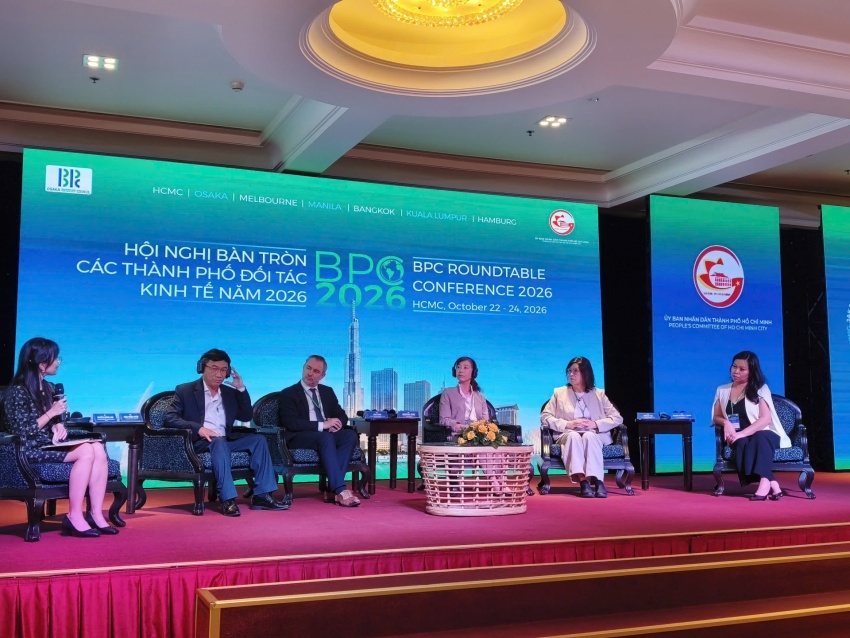
Representatives from Osaka, Ho Chi Minh City, Manila, Melbourne, and Hamburg gathered at the first session of the 2026 Business Partner City Roundtable Conference to explore solutions for startup scale-up challenges. Lars Anke, Hamburg's chief representative, highlighted the difficulty in transitioning from a startup to a scale-up, emphasizing the need for access to markets beyond merely encouraging new business ventures.
The Hamburg city has employed an industry cluster strategy to overcome this obstacle, connecting smaller companies with commercial relationships and expanding their operations through established networks.
Katrina Elaine C. Aguila, representing the Philippine Trade and Investment Centre, addressed Startup Week as a means to connect entrepreneurs with essential capacity-building organizations, rather than just investors. This approach caters to the various forms of support required during a business's development, from early-stage innovation to commercialization. Manila and Ho Chi Minh City have established a direct channel for private-sector participants to connect with regional governments and potential project partners.
Ho Chi Minh City aims to develop its innovation ecosystem, preparing policy frameworks and human resources to support enterprises from idea formation to commercialization. Deputy Director Tran Trong Tuyen emphasized the importance of international cooperation in building the city's ecosystem, inviting foreign organizations to collaborate with Vietnamese universities, especially in high-tech industries.
Shirley Ng, general manager of the International Competitiveness Division at the Australian Industry Group, stressed the need for SMEs to understand and comply with sustainability standards to remain part of larger companies' supply chains. She proposed that BPC members could share sustainability expertise across participating markets through organizational coordination, government involvement, and digital tools.
The Business Partner Cities (BPC) network, established in 1988 by Osaka City Government, promotes economic cooperation, business exchanges, and international expansion opportunities for SMEs. Comprising Osaka and 14 partner cities, Hamburg joined the network in 2019 as its newest member. The 2026 BPC Roundtable Conference marks its 35th edition and Ho Chi Minh City's third time hosting the event.
Written by urgent.news from Vietnam Investment Review's reporting — not their text. Machine-written — may contain errors; check the original before relying on it.