Ghana needs 759 million cedis to implement 2025-29 health sector supply chain master plan
More than 759 million cedis — that is how much Ghana needs to fix critical gaps in the supply of medicines and essential medical supplies across the country’s health facilities over the next four years. But with some foreign aid to the health sector being withdrawn, the government is turning to domestic resources to fund […]
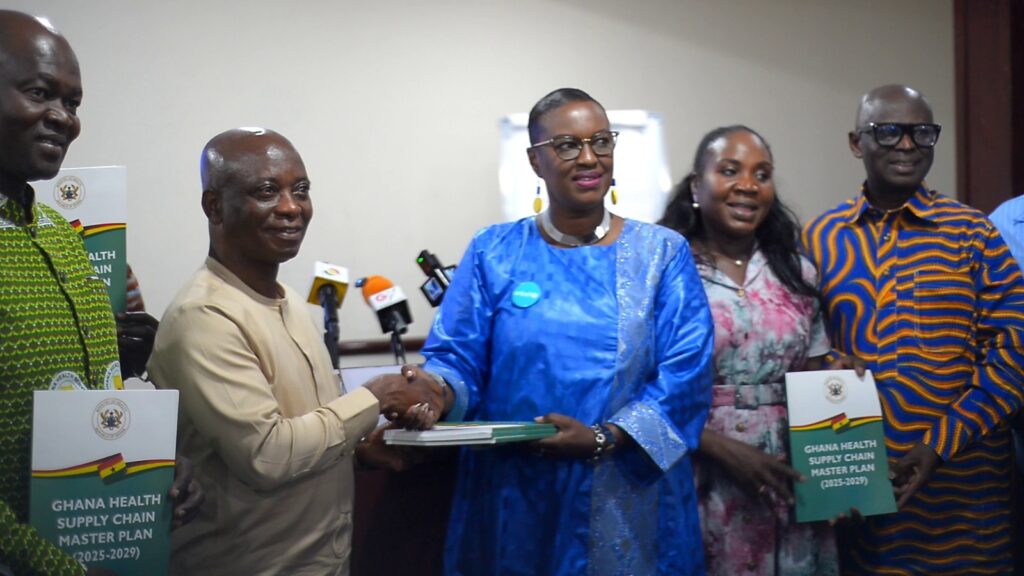
Ghana requires a substantial investment of 759 million cedis to implement its 2025-2029 health sector supply chain master plan. This funding is necessary to address critical shortages in the distribution of medicines and essential medical supplies across the country's health facilities. With some foreign aid to the health sector being withdrawn, the government is relying on domestic resources to fund the plan and maintain Ghana's universal health coverage target for 2030.
The master plan, which builds on a previous version (2021-2025), includes 47 strategic interventions aimed at ensuring the availability, timely accessibility, and affordability of high-quality health commodities. The plan aims to enhance supply chain responsiveness and adaptability to emerging challenges. The government is prioritizing local funding, emphasizing the importance of revenue generation and debt repayment under the National Health Insurance Scheme.
The implementation of the master plan involves a mapping exercise to track money flow and expenditures at each level. Dr. Edward Bright Agyekum, Director for Procurement and Supply Chain at the Ministry of Health, emphasized the government's commitment to raising local funds and mobilizing scarce resources. Daniel Oswald Owusu Afranie, Technical Director with the Global Health Supply Chain, stressed the need for the government to take ownership of the implementation process and devise strategies to recoup debts from the National Health Insurance Scheme.
The master plan's focus on women and children is crucial, as inadequate supplies can hinder their access to essential healthcare services. UNICEF's Supply and Procurement Manager, Honorine Niyomana, highlighted the potential consequences of stockouts, which could force mothers and caregivers to make difficult decisions, such as seeking care elsewhere or incurring out-of-pocket expenses.
Written by urgent.news from MyJoyOnline Ghana's reporting — not their text. Machine-written — may contain errors; check the original before relying on it.