Gen Z are leading the European protests. Here’s why they’re angry
The kids are not alright. Across Europe, young people are protesting issues ranging from a lack of funding for education to the cost of housing, posing massive challenges to governments already under pressure and providing a visible sign of the intergenerational frustration felt by Gen Z. The precise configuration of these grievances is different in … The post Gen Z are leading the European…
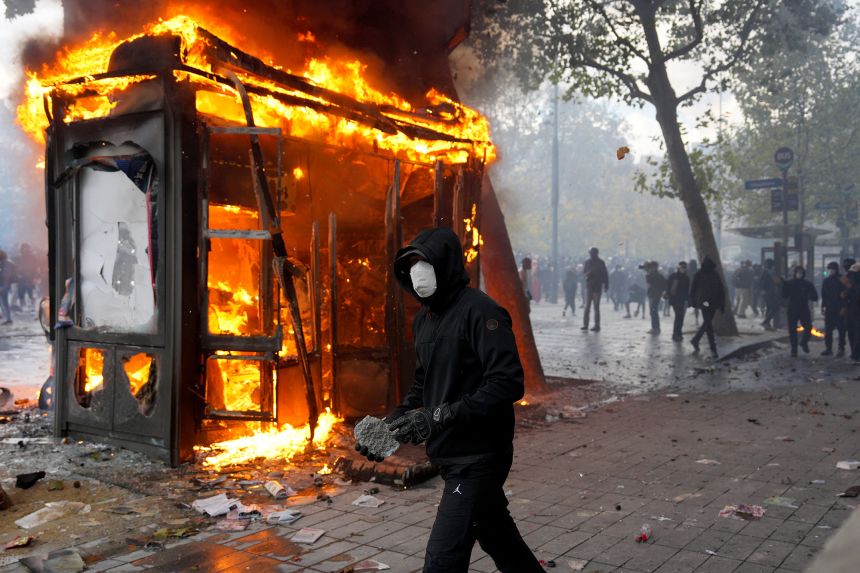
Gen Z protesters across Europe are expressing frustration and anger over various issues, with a common thread of intergenerational dissatisfaction. In Spain, the protest began with the eviction of an 87-year-old woman from her home, while in France, students joined forces with striking teachers. Albania has also seen ongoing student protests, which started due to plans for a luxury development backed by Jared Kushner, Donald Trump's son-in-law.
Despite the varied catalysts, these movements have acted as a catalyst, bringing together any discontent among young people who believe they will not have the same opportunities as their parents. The protesters have also learned from one another, with demonstrations in Italy and Greece echoing the slogans of their French counterparts. The protests in Spain have spread to Portugal, and student unions throughout Europe are sharing advice and experiences.
The grievances expressed by these protesters are diverse, encompassing concerns about education funding, the cost of housing, the quality of public services like healthcare and work conditions, and social justice. These issues are echoed by leaders of Italian student unions, who advocate for safe schools, dignified work, and social justice.
Julius Fintelmann, co-founder and editor-in-chief of the European Correspondent daily newsletter, sees this unrest as a result of political failures and a lack of support for the younger generation.
The protesters also cite an uncertain job market, where artificial intelligence threatens entry-level jobs, and the climate crisis as factors contributing to their agitation. They argue that the promise of a better life for the next generation under liberal democracy is not being fulfilled. The European countries most affected by protests – Greece, Italy, France, Belgium, Spain, and Portugal – share a gloomy economic outlook, with high levels of national debt, which makes it difficult to increase public spending.
Written by urgent.news from Egypt Independent's reporting — not their text. Machine-written — may contain errors; check the original before relying on it.