Fuel relief is coming, but will South Africans feel better off?
Godongwana’s R10 billion fuel levy cut offers temporary relief, but economists warn inflation and weak growth will keep squeezing households.
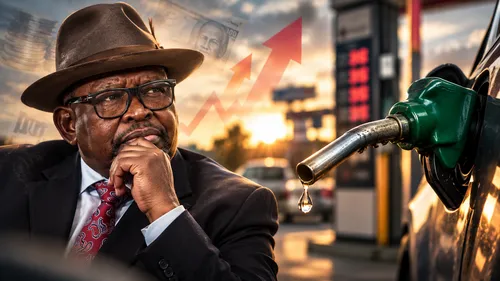
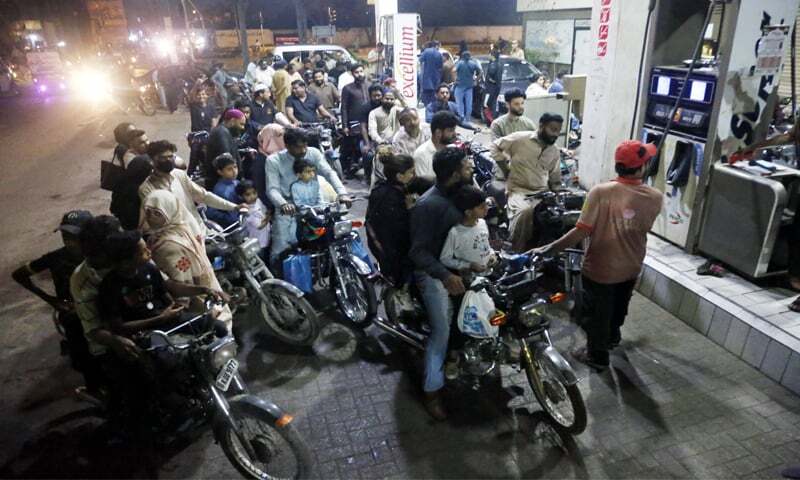
In November, South African motorists will receive temporary relief at the gas stations as Finance Minister Enoch Godongwana implements a R10 billion fuel levy intervention. The government will reduce fuel taxes, lowering the levy by R1.50 per litre for petrol and R3 for diesel until December 1, with further reductions to R1 for petrol and R1.50 for diesel until January 5, 2027.
For motorists purchasing 50 litres of petrol, the initial relief equates to R75, and for diesel, it translates to R150. However, the reductions apply to the levy, not the final pump price, which remains influenced by international oil prices, exchange-rate fluctuations, and other factors.
Economists caution that the relief may provide short-term relief, but will not necessarily result in cheaper transportation or a substantial improvement in household finances. Dr Lerato Ntuli, an economist at Anchor Capital, notes that inflation in South Africa is likely to maintain its upward trajectory, with transport inflation accelerating to 10.8% in September, contributing 1.5 percentage points to the headline rate.
Ntuli attributes this increase to September's fuel price hikes and anticipates further upward pressure on prices before the intervention.
Sanisha Packirisamy, group economist at Momentum Group, echoes this sentiment, emphasizing that temporary relief cannot shield consumers from elevated international oil prices indefinitely. She also points out that higher living costs, elevated borrowing costs, and weak investment remain constraints on economic activity. For homeowners and prospective buyers, concerns persist regarding high interest rates and subdued economic growth.
Samuel Seeff, chairman of the Seeff Property Group, emphasizes the need for further interest rate reductions and borrowing cost relief to enhance disposable income and bolster the housing market for first-time buyers.
The Medium-Term Budget Policy Statement (MTBPS) also contains measures affecting public services, with an additional R21.8 billion allocated to local government equitable share over the medium term. This funding aims to cover higher costs of free basic water, sanitation, electricity, and refuse removal. However, Outa, an organization advocating for better tax administration, questions whether the increased spending will improve services without stronger accountability, pointing to poor performance in infrastructure projects and municipalities spending excessively on operating costs while neglecting infrastructure maintenance and investment.
Written by urgent.news from IOL's reporting — not their text. Machine-written — may contain errors; check the original before relying on it.