Fuel bills soar, catches fall as Maine’s iconic lobster industry faces a perfect storm
PORTLAND, Oct 25 — Lobsterman Steve Train starts every workday before dawn about US$1,000 in the hole, a hike in e...
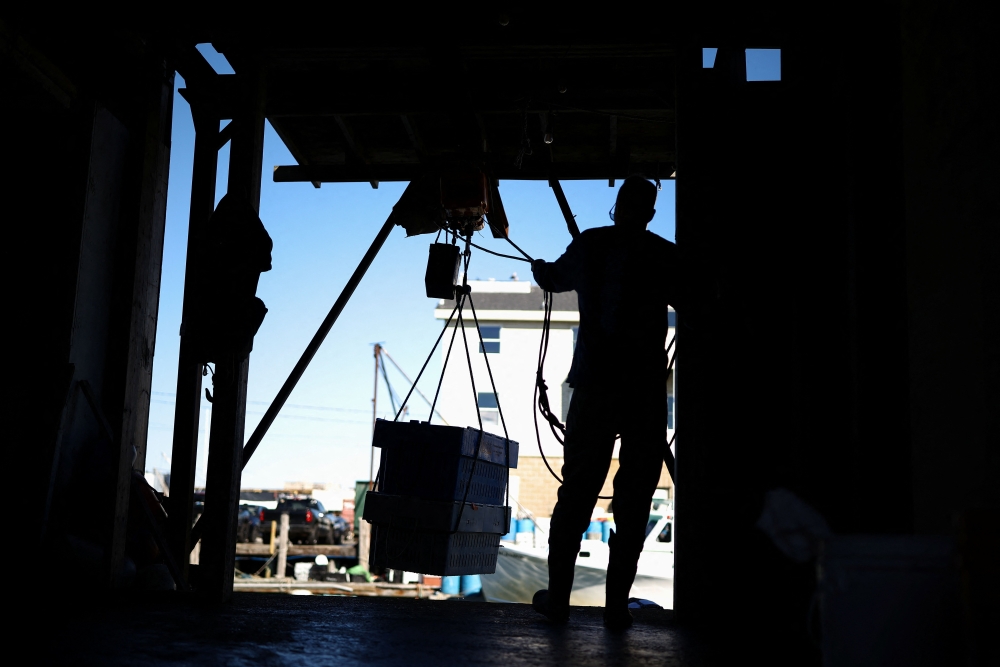
In Maine, the iconic lobster industry is grappling with a perfect storm of rising fuel costs, declining catches, warming waters, and federal regulations threatening the livelihoods of thousands of families. With gas prices soaring by nearly 45 percent in the past year, lobsterman Steve Train finds himself starting each day $1,000 in debt due to increased expenses. Despite this, Train still supports Republican Senator Susan Collins, despite her state facing a strong Democratic challenge.
The industry's woes are exacerbated by the warming of ocean waters, which are pushing the "sweet spot" for lobstering further out to sea. This shift is compounded by the need for larger boats and more crew, leading to higher diesel costs. Additionally, federal regulations aimed at protecting endangered North Atlantic right whales pose a significant threat to lobstermen, as entanglements in vertical lines from traps to buoys could devastate the industry.
Maine's lobster harvest in 2025 reached 78.8 million pounds, an eight-million-pound decline from the previous year, but still accounted for three-quarters of the state's fisheries value. Despite the economic impact on thousands of families, the price of lobster has hit its lowest point in years, creating a dilemma for those relying on the industry. As climate change continues to stress lobster populations, the future of Maine's iconic fishing heritage hangs in the balance.
Written by urgent.news from Malay Mail's reporting — not their text. Machine-written — may contain errors; check the original before relying on it.