France’s latest debt warning describes a country where governance is breaking down — and even doing too little, too late is barely possible
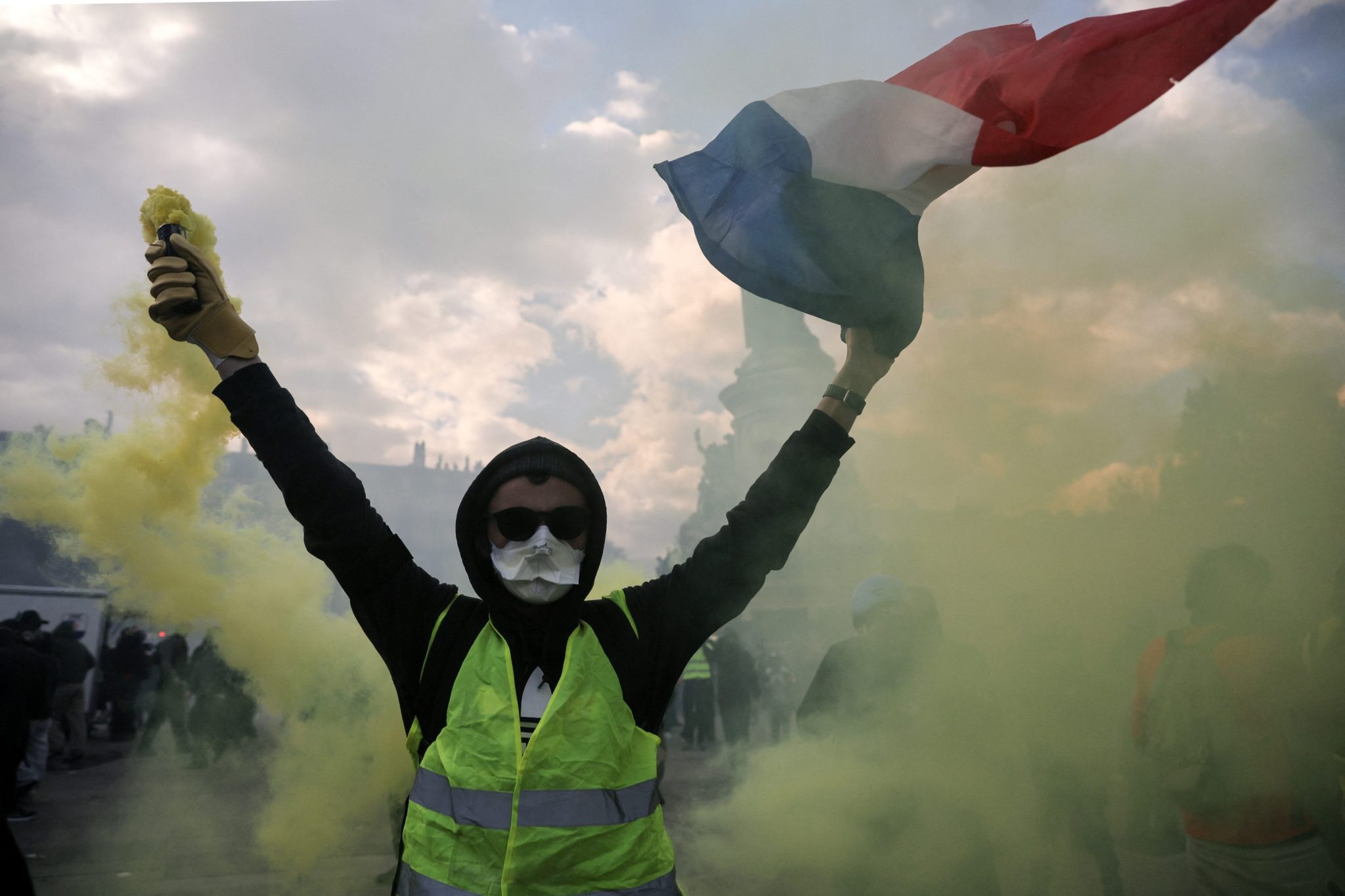
France received a sobering debt warning from Moody's, highlighting the challenges posed by its complex political landscape. The ratings agency maintained France's credit rating at Aa3, just below the U.S. and three grades below Germany, while issuing a negative outlook. This assessment follows a period of nationwide protests and rising bond yields, signaling increasing concerns over the government's ability to manage its debt.
With a staggering $4 trillion in public debt—over 119% of GDP—the highest ratio since World War II—France's economy and political institutions face significant strain. Despite a well-functioning public sector, the fragmented parliament, often at odds with the government, and growing social instability pose obstacles to implementing necessary fiscal reforms. The divided legislature, compounded by protests over public services and high living costs, has stymied efforts to curb France's debt burden.
France's debt has surged to historic levels, with a budget proposal to reduce the deficit to 5% of GDP in 2027 still mired in political deadlock. Moody's expects this budget to be enacted, but it may fall short of reducing the deficit to 5.2% of GDP, hindered by weaker economic growth and political challenges. This half-measure is unlikely to be the last; a "significant and sustained fiscal effort" is required to stabilize the debt, but current political conditions suggest this will be difficult.
While the average maturity of French debt is around 8.5 years, the recent surge in borrowing costs could worsen debt affordability if sustained over time. However, the immediate risk lies in the "event risk" from geopolitical and domestic political instability. The current protests, part of a broader European movement, could prompt the government to take more spending measures, further increasing France's debt and bond yields—a self-reinforcing cycle that could deepen the crisis.
Analysts warn that France risks slipping into a "full-blown civil crisis" due to its political polarization, which has manifested in both policy and the streets. The fragmented political environment and ongoing social tensions could further impair the government's capacity to tackle key issues like fiscal deficit and debt, potentially leading to a more rapid deterioration of France's creditworthiness.
Written by urgent.news from Fortune's reporting — not their text. Machine-written — may contain errors; check the original before relying on it.
This story
This is one outlet's version. Read the fullest account.