First Nations leaders voice priorities ahead of historic meeting in Ottawa
First Nations leaders are preparing for a historic meeting with Prime Minister Mark Carney and the nation’s premiers, the first of its kind in more than two decades.
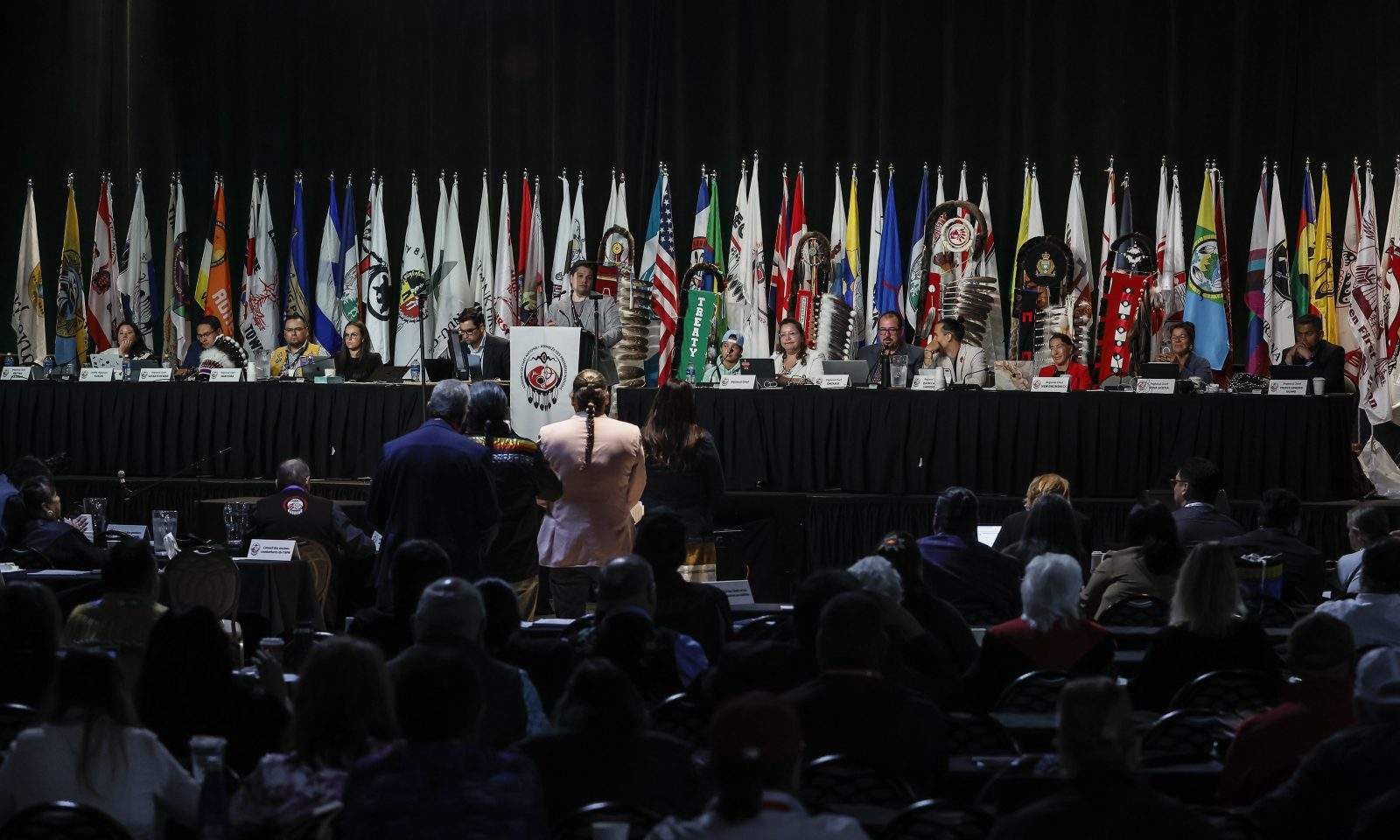
OTTAWA — National Chief Cindy Woodhouse Nepinak of the Assembly of First Nations (AFN) is preparing for a historic meeting with Prime Minister Mark Carney and the provincial premiers, a meeting she believes could be transformative for her people. Woodhouse Nepinak reflects on the perseverance of her predecessors, who fought to open doors for discussions, and emphasizes her hope that they would witness the significance of today's meeting.
The meeting, taking place in Ottawa on Monday, is seen as a major step forward in First Nations-First Ministers relations.
The meeting's timing is particularly poignant as Prime Minister Carney has been working to expedite major project approvals and developments. This push has been met with criticism from some First Nations chiefs, who argue that the accelerated timelines infringe upon their rights and could lead to legal challenges. Tensions between Ottawa and First Nations members have escalated in recent years, fueled by a range of factors such as challenges in the lands claim process in British Columbia, the Pacific Link pipeline project in Alberta, and development activities in the mineral-rich Ring of Fire in Ontario.
The AFN has been thoroughly preparing for the meeting, holding town hall meetings with chiefs to gather their priorities and concerns. The organization has released position papers on key issues such as economic development, policing and public safety, employment, and health. A key demand from First Nations leaders is the establishment of a First Nations sovereign wealth fund, a proposal put forth by the Chippewas of the Thames First Nation.
This fund would create a centralized pool of capital to invest in long-term wealth creation and project development within First Nations communities, bypassing the traditional bureaucratic hurdles posed by provincial and federal governments.
The meeting is notable for its historical significance, as it marks the first such gathering since 2005 when Prime Minister Paul Martin convened with Indigenous leaders in Kelowna, British Columbia, to address gaps in socioeconomic conditions among Indigenous communities. While the Kelowna Accord aimed to improve living standards through increased funding for education, health, and infrastructure, progress was limited due to the collapse of the Liberal government shortly after the meetings.
More recently, the Idle No More protest movement, which began in 2012, highlighted the ongoing tensions between Indigenous peoples and the Canadian government, particularly around resource development and environmental issues.
As tensions between Ottawa and First Nations continue to simmer, the upcoming meeting presents an opportunity for constructive dialogue and collaboration. However, some First Nations leaders, like Jeff Copenace of the Ojibways of Onigaming First Nation, express concern that the meeting may focus too heavily on economic development, potentially overlooking critical issues such as mental health, homelessness, and substance abuse.
Copenace, whose community is grappling with a significant suicide crisis, warns that placing too much emphasis on resource development could exacerbate existing problems and prevent meaningful progress. He hopes that the prime minister and the premiers will take a more holistic approach to reconciliation, addressing the multifaceted challenges faced by Indigenous communities beyond mere economic gains.
In summary, the historic meeting between the AFN, Prime Minister Carney, and the provincial premiers is seen as a pivotal moment for First Nations, offering a chance to address longstanding grievances, forge new partnerships, and chart a course toward shared prosperity and self-determination. As the chiefs and leaders prepare for the gathering, the stakes are high, and the outcome could set the tone for Indigenous-Canadian relations for years to come.
Written by urgent.news from CityNews's reporting — not their text. Machine-written — may contain errors; check the original before relying on it.
This story
This is one outlet's version. Read the fullest account.
- First Nations prepare for historic meeting with Carney and the premiers toronto.citynews.ca
- First Nations leaders voice priorities ahead of historic meeting in Ottawa globalnews.ca
- Quebec premier to be absent at First Nations meeting winnipegfreepress.com