China carries out in-depth investigation of Turkey’s largest rare earth deposit
Chinese researchers have mapped the complex geological evolution of Turkey’s Kizilcaoren deposit, offering fresh insights into the country’s most significant known rare earth reserve while dampening expectations over its commercial potential. Although the findings shed light on how rare earth elements accumulate in carbonatite-related formations, the researchers concluded that the site was…
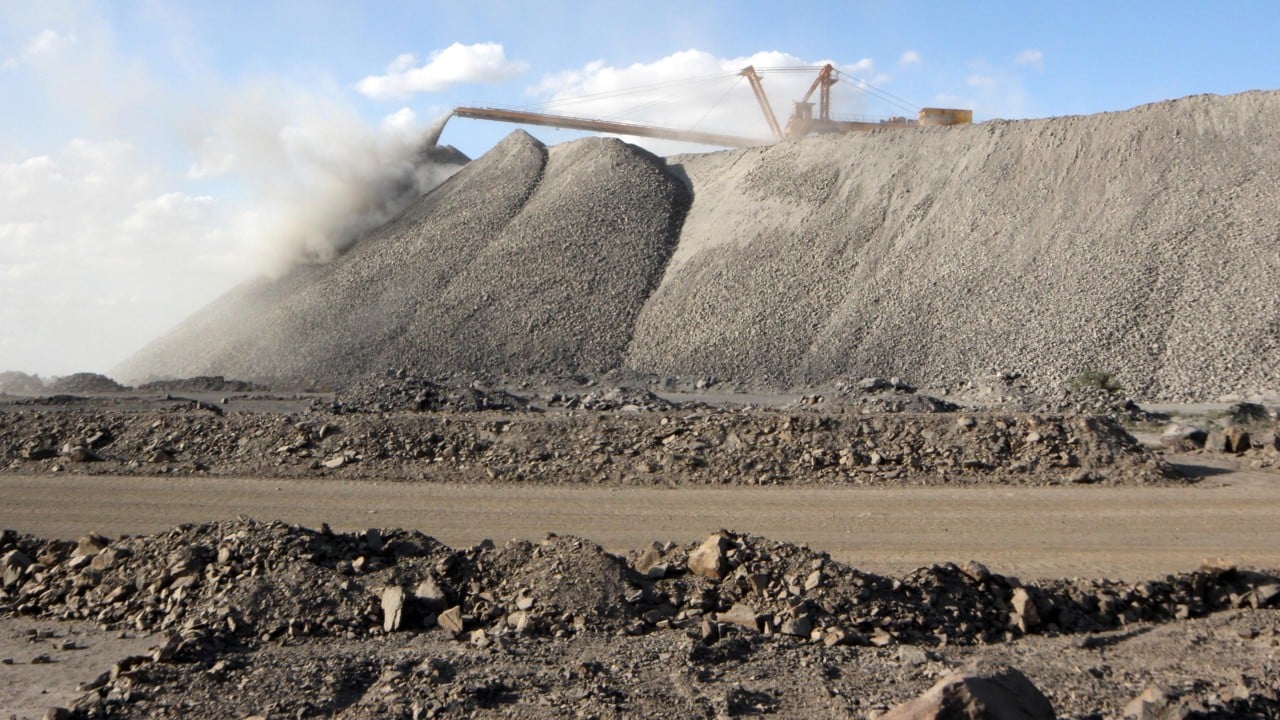
Chinese scientists have completed a comprehensive analysis of Turkey's Kizilcaoren rare earth deposit, revealing details about its geological history while concluding that the site is unlikely to become a major global source of the valuable minerals. Professor Yang Xiaoyong, lead researcher from the University of Science and Technology of China, stated that the deposit is "small in scale" and "still far from reaching the large scale of rare earth deposits".
The study, published in Acta Geologica Sinica on October 9, found that the deposit formed through a three-stage process involving magma intrusion, hydrothermal mineralisation, and the influence of rainwater. Despite the findings providing valuable insights into rare earth accumulation in carbonatite formations, the researchers concluded that the deposit lacked the scale required to become a major alternative to existing producers.
Written by urgent.news from South China Morning Post's reporting — not their text. Machine-written — may contain errors; check the original before relying on it.