Can silver recover from its latest sell-off? UBS weighs in
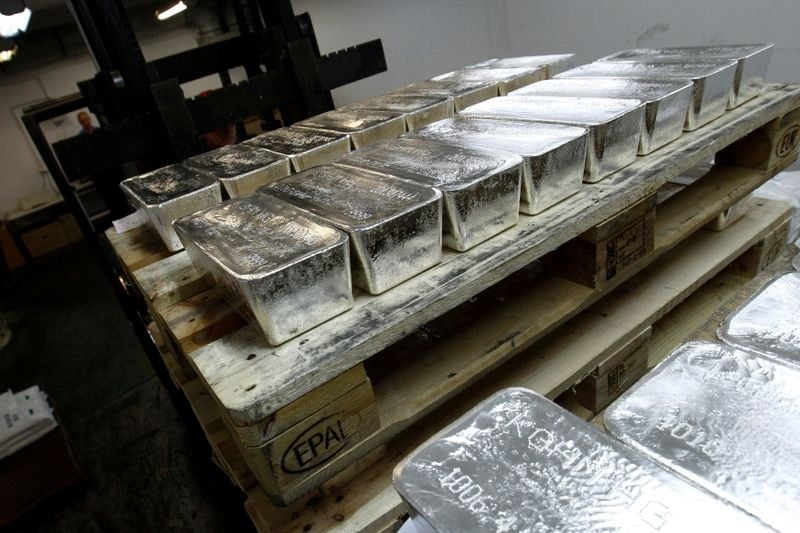
Silver is currently experiencing a period of volatility, with central bank policies contributing to market pressure. However, according to a research note from UBS Global Wealth Management, prices are expected to reach $80 per ounce by late 2027 due to growing demand for artificial intelligence infrastructure and ongoing supply constraints.
Despite recent sell-offs, the medium-term outlook for silver remains positive, as it continues to act as a higher-beta asset compared to gold. UBS projects the price of silver to rise from its current $55.90 per ounce to $70 by December 2026, $75 through mid-2027, and $80 by September 2027.
While silver behaves similarly to gold in terms of macroeconomic factors, such as shifts in real interest rates, the U.S. dollar, and monetary tightening, it is also influenced by industrial fundamentals. The demand for silver in various industries, including photovoltaic solar, data centers, AI hardware, electrical grid, and automotive electronics, is growing.
However, this demand is being offset by substitution and thrift in the sector, with the Silver Institute forecasting a 2% decrease in industrial fabrication demand for 2026.
Supply-side challenges also contribute to the silver market's dynamics. Increased secondary recycling due to higher prices and relatively stagnant mine output growth create constraints for miners to quickly boost output. As a result, UBS projects a sixth consecutive annual deficit in the global silver market in 2026. To manage the risks associated with this volatility, UBS advises investors to take a selective approach, leveraging pullbacks driven by rate expectations to accumulate positions.
The bank identifies prolonged central bank rate hikes, a sharper global economic slowdown, and accelerated industrial substitution as the primary downside risks to the silver price trajectory.
Written by urgent.news from Investing.com's reporting — not their text. Machine-written — may contain errors; check the original before relying on it.