Beyond the home run: The art of timely hitting
Home runs helped them reach October, but Ks and missed opportunities showed why the White Sox still have work to do
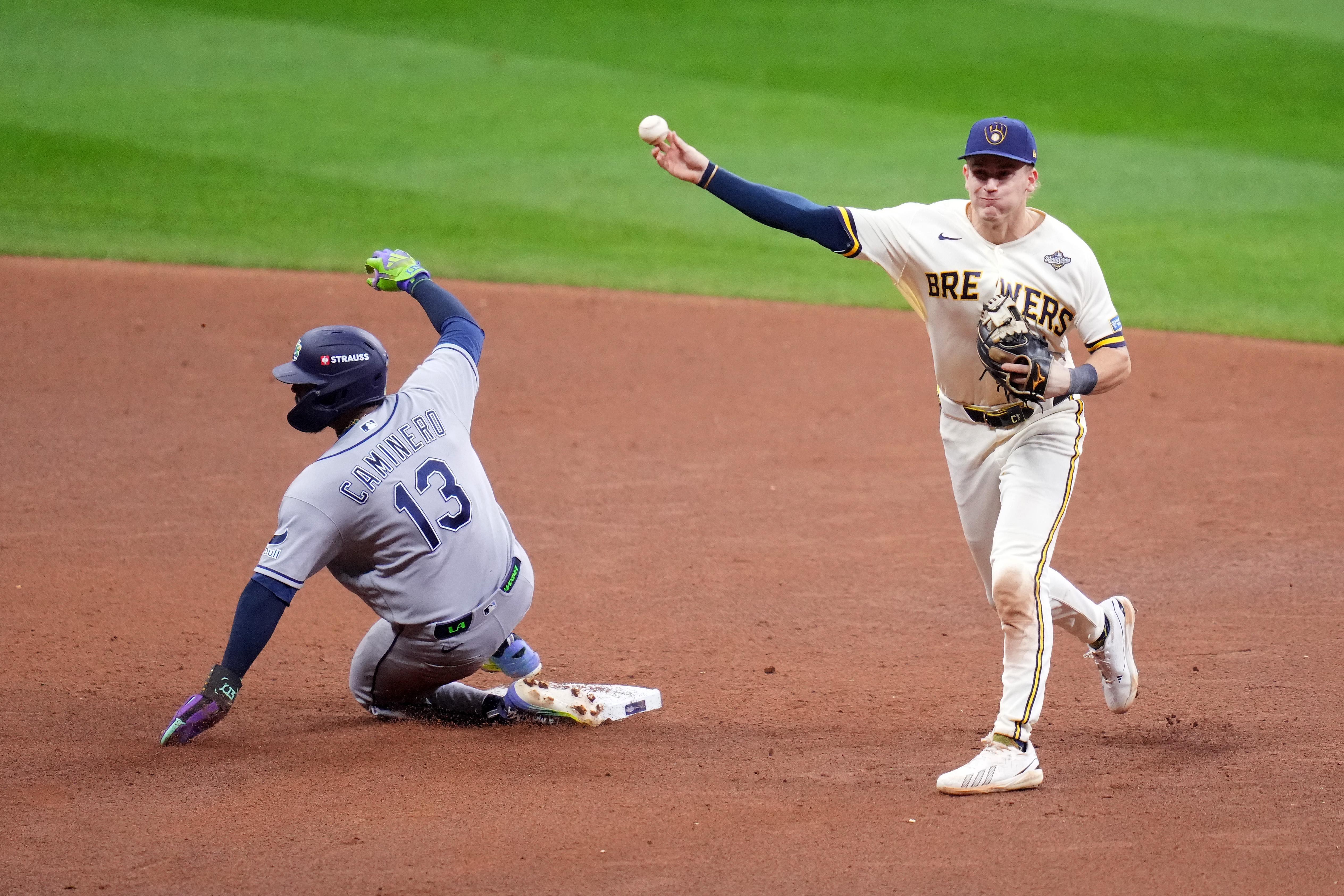
During Friday night's game, the Tampa Bay Rays fell short by going 0-for-6 with runners in scoring position against the Milwaukee Brewers. This failure came despite the Rays' efforts to improve their performance in those critical situations throughout the season. The Brewers capitalized on six missed opportunities, securing a 3-2 victory for Chicago. Tampa Bay's batting average in scoring position was .283, but they were unable to deliver the timely hits needed to clinch the game.
Across the country, the Chicago White Sox faced a similar offensive struggle. The team's regular season RISP average was .243, ranking 22nd in Major League Baseball. They struck out 397 times in 1,361 at-bats with runners in scoring position, a 29.2% strikeout rate. However, the White Sox managed to hit .283 with RISP during the postseason but still fell short, highlighting the challenge of converting scoring opportunities into runs.
Chicago's postseason performance underscored the importance of balancing power hitting with situational situational hitting. While the team hit 211 home runs, they only scored 776 runs, demonstrating the need for a more consistent offensive approach. Milwaukee managed to score 832 runs with fewer home runs, illustrating that the White Sox needed a more balanced offensive strategy to succeed in the playoffs.
The White Sox needed to develop consistent contact against elite pitching, as demonstrated by Cleveland's ability to strike out 21 Chicago hitters in the ALDS. The White Sox's managerial team acknowledged that the problem extended beyond chasing pitches outside the strike zone, as even well-placed ground balls could score runs without a hit. The team's offensive development must address this fundamental challenge.
In their pursuit of improvement, the White Sox could look to free agent acquisitions like Luis Arráez, who offers a contact-oriented offensive profile. Potential signings such as Bo Bichette, Ian Happ, and Seiya Suzuki could provide additional offensive options. However, simply adding a high RISP hitter would not guarantee success. The Rays' World Series opener revealed that even the most productive hitters can struggle under pressure.
Chicago's challenge is to find the same confidence as Tampa Bay while developing the offensive consistency needed to advance deeper into the postseason. While the team demonstrated their ability to hit home runs during the regular season, it became clear that power alone is not enough to survive the postseason. As the White Sox look to improve, they must focus on consistently producing quality plate appearances against elite pitching, as the difference between winning and losing often lies not in the ball that leaves the park, but in the one that brings the runner home.
Written by urgent.news from Yahoo Sports's reporting — not their text. Machine-written — may contain errors; check the original before relying on it.