AI trained on 40 million face images can estimate biological age and cancer survival odds from just one photo
Researchers at Mass General Brigham in Boston have built AI models that estimate a cancer patient's biological age and risk of death from a single photo of their face.
A facial recognition AI trained on 40 million images can now gauge a person's biological age and estimate cancer survival odds from a single photograph, according to a study published in The Lancet Digital Health. In trials, the model predicted a 52.5% mortality risk within 90 days for 122 patients with the highest risk score, versus just 2% for the 975 patients considered lowest risk.
One of the study's authors, Dr. Raymond Mak of Mass General Brigham Cancer Institute, expressed surprise at the AI's ability to detect mortality risk from facial photos alone. The team developed two tools: FAHR-FaceAge, which estimates biological age, and FAHR-FaceSurvival, which predicts cancer survival directly from a face photo.
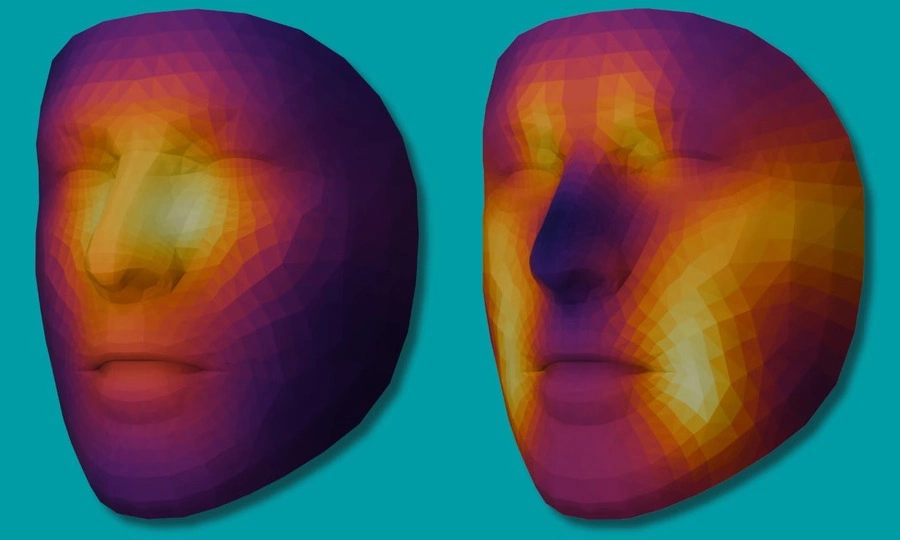
The age model concentrates on temples, the forehead, and nasolabial folds, while the survival model examines the bridge of the nose and under-eye area. These facial features correspond to signs of muscle wasting and mortality risk noted by Hippocrates in the 4th century B.C. The AI's predictions remained consistent across various poses, lighting conditions, and makeup, and proved relatively stable even after rhinoplasty.
However, experts caution that the technology should not replace medical professionals, and more research is needed to determine its true clinical utility.
Written by urgent.news from VnExpress International's reporting — not their text. Machine-written — may contain errors; check the original before relying on it.