A distant Pacific phenomenon may be drying India’s north, says study
Semi-arid areas are expanding in north-west India as oceanic cycle ‘Victoria Mode’ affects flow of moisture; this can dent food supply and cause displacement of people, say scientists from IMD and Indian Institute of Tropical Meteorology
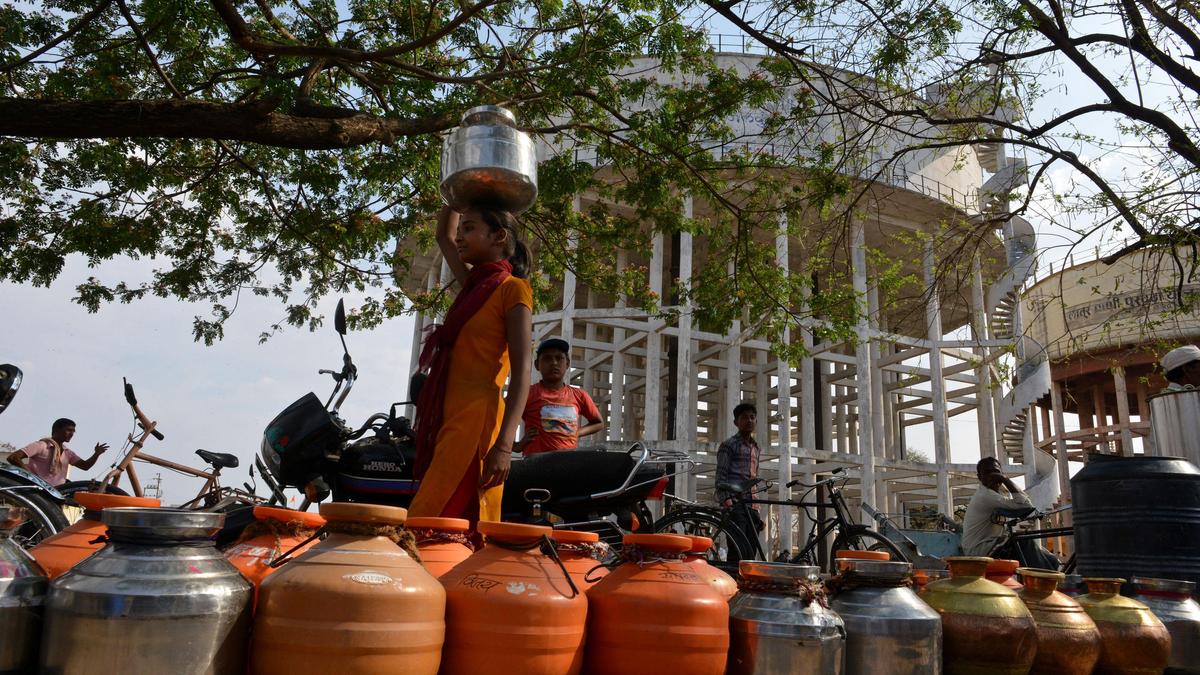
A recent study indicates that a Pacific Ocean phenomenon, known as the 'Victoria Mode,' may be contributing to the drying of northern India, according to scientists from the India Meteorological Department (IMD) and the Indian Institute of Tropical Meteorology (IITM). This phenomenon, separate from the well-known Pacific Decadal Oscillation, is characterized by warm and cool surface water cycles in the North Pacific.
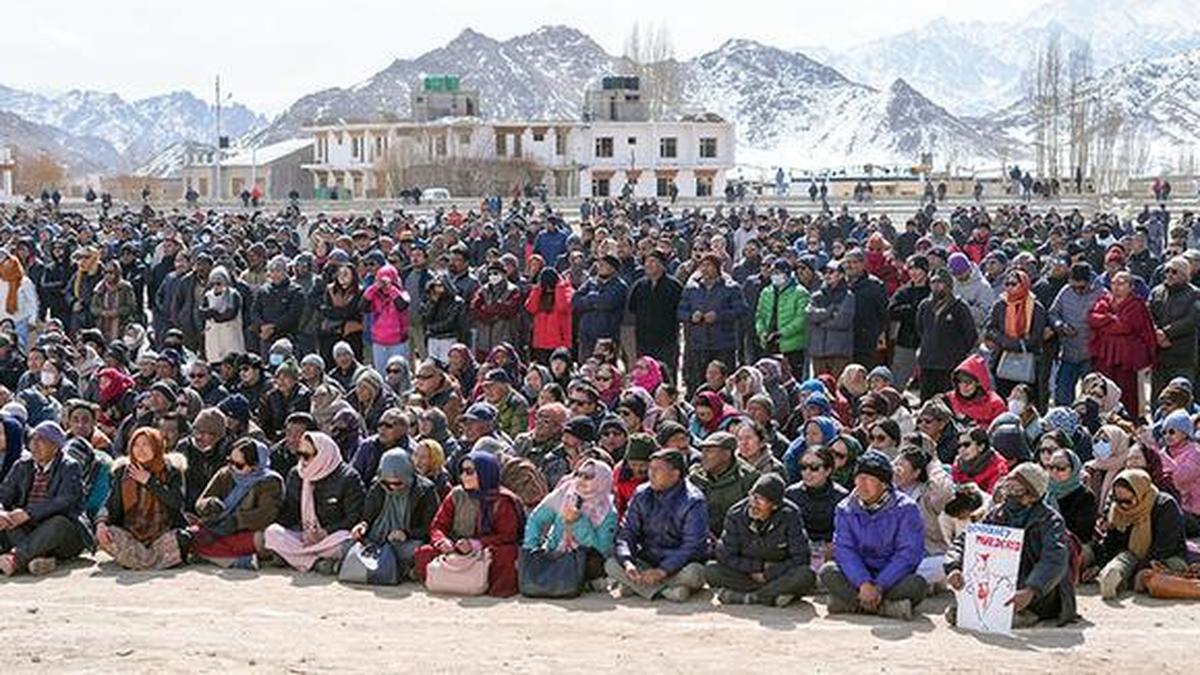
The study found that the hot, semi-arid steppe zone in north-west India expanded from 25.7% of the region's area in 1951-80 to 33.1% in 1991-2020, while the temperate zone shrank from 25.8% to 18.7%. The eastern edge of the steppe zone moved from west Uttar Pradesh to the eastern part of the state. In northeast India, the tropical savannah zone decreased from 18.4% to 11.8%, while the temperate zone increased from 74.8% to 82.5%.
The authors attribute these changes to the negative phase of the Victoria Mode, which reduces moisture flow. The shrinking of tropical savannah and temperate zones in northern India could lead to problems related to food safety and population displacement. In peninsular India, the hot semi-arid steppe zone decreased from 30.3% to 16.4% during the same period, while tropical savannah zones expanded from 61.6% to 75.7%.
Written by urgent.news from The Hindu's reporting — not their text. Machine-written — may contain errors; check the original before relying on it.