50 Years Later, the Best War Series of All Time Is Still Unlike Anything Else on TV
MASH blended humor and heartbreak to create unforgettable characters and deliver one of television's most memorable finales.
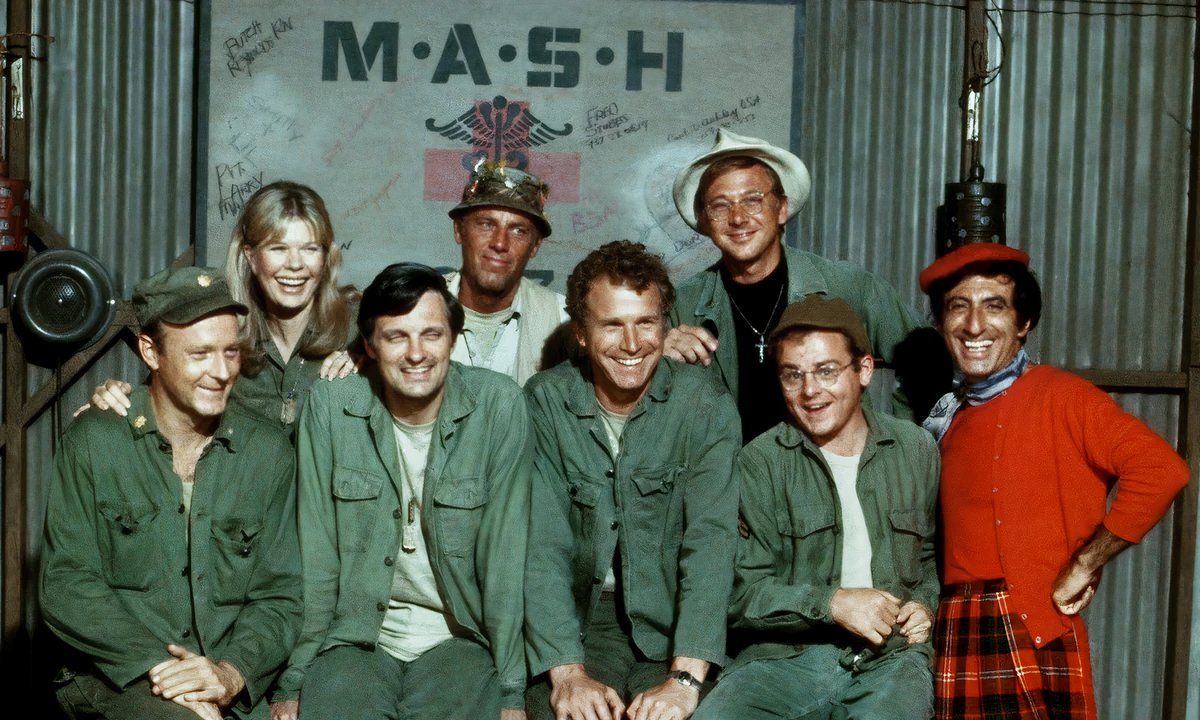
When Robert Altman's M*A*S*H premiered in 1970, its humorous take on the Korean War stood out from anything audiences had experienced before. The film centered on army surgeons who utilized humor, alcohol, and disregard for military authority to cope with the trauma of treating wounded soldiers. Two years later, CBS adapted the film into a TV series, preserving its irreverent spirit but offering viewers the opportunity to develop deeper relationships with the characters.
Over the course of 11 seasons, M*A*S*H evolved from a series of lighthearted sitcom episodes about witty doctors into a poignant exploration of human nature. The doctors and nurses of the 4077th Mobile Army Surgical Hospital, while overwhelmed by the harsh realities of war, also displayed a strong sense of humor as a means of coping with their circumstances.
The ensemble cast of Hawkeye Pierce, Margaret "Hot Lips" Houlihan, Radar O'Reilly, and their colleagues felt more like real people, making their triumphs fulfilling and their struggles more poignant. More than half a century after its debut, M*A*S*H continues to captivate audiences due to its insightful understanding that laughter and sorrow are inextricably linked.
Initially, the series emphasized the broad comedy of Altman's film, with characters drinking, flirting with nurses, and antagonizing the irate Captain Frank Burns. As the show progressed, the characters became more nuanced, with Hawkeye's disdain for the war becoming more personal, Margaret transitioning from a strict nurse to a compassionate leader, and the initially selfish Klinger demonstrating loyalty and care for his fellow soldiers.
The series' cast changes strengthened its foundation, with new additions like B.J. Hunnicutt, Colonel Sherman Potter, and Charles Emerson Winchester III enriching the storyline and allowing the show to mature without losing its identity. The storytelling also became more ambitious, with episodes such as "Point of View" (season 7, episode 11) presented from the perspective of a wounded soldier, "Life Time" (season 8, episode 11) employing an on-screen clock to heighten the urgency of a medical emergency, and "Dreams" (season 8, episode 22) examining the psychological impact of war through surreal nightmares.
For Hawkeye Pierce, humor often served as a defense mechanism against the war he despised but couldn't escape. His practical jokes and witty remarks might appear irresponsible, yet they were crucial when dealing with wounded soldiers. Beneath the humor lay a skilled surgeon who felt every loss deeply. The comedy wasn't separate from the suffering; it was a response to it.
The laughter that accompanied the doctors' antics served as a coping mechanism for the horrors they witnessed daily, and audiences laughed along with them, sharing in their resilience. One episode that exemplifies M*A*S*H's ability to confront tragedy powerfully is "Abyssinia, Henry" (season 3, episode 24). After Henry Blake's discharge, the episode seemed poised for a heartwarming conclusion.
However, Radar's arrival with devastating news about Henry's plane being shot down and everyone on board being presumed dead marked a devastating turning point. The surgeons were forced to return to their patients, emphasizing that the war would not pause for grief. This episode is one of television's most heart-wrenching moments, precisely because it occurs within a sitcom setting.
M*A*S*H's willingness to tackle such profound sorrow demonstrates its commitment to portraying the complexities of war and its impact on individuals. The final episode, "Goodbye, Farewell and Amen" (Feb. 28, 1983), aired to an estimated 106 million American viewers, making it the most-watched scripted television program in U.S. history at the time.
With roughly 24 million more viewers than Super Bowl XVII, the finale's success highlighted the strong emotional connection audiences had formed with the characters over the course of 11 seasons. The finale's remarkable achievement lies not in its record-breaking audience but in its refusal to provide a simple happy ending for these characters.
Hawkeye begins the story in a psychiatric hospital, grappling with the trauma of a traumatic incident involving a Korean mother and her infant. Through his psychiatrist, Sidney Freedman, he gradually reconstructs the horrifying truth behind his breakdown. The final episodes for each character are equally poignant, with Charles devastated by the deaths of Chinese prisoners he taught music to, Father Mulcahy suffering hearing loss, and Klinger choosing to remain with his new wife instead of returning to Korea.
Hawkeye and B.J.'s farewell, as he discovers stones spelling out "GOODBYE" below his helicopter, remains an incredibly moving gesture, illustrating the profound impact these characters have had on viewers.
Written by urgent.news from Polygon's reporting — not their text. Machine-written — may contain errors; check the original before relying on it.