Why soaring prices aren't breaking America's diesel habit
The quickest and most affordable response to historically high diesel prices is also the simplest: Use less of it. Why it matters: Diesel is so entrenched in farming, trucking and other industries that even soaring prices aren't enough — at least not yet — to prompt a wholesale shift to alternatives from electric semi trucks to manure-powered tractors. Catch up fast: Diesel prices have climbed to…

As diesel prices surge to record highs, the U.S. economy relies heavily on this fuel. Diesel powers everything from grocery delivery trucks to tractors, hospital generators, and school buses. While gasoline prices have risen as well, diesel has climbed even more, with a 74% increase since the start of the U.S. war with Iran in March. This price spike is particularly hard on farmers during the fall harvest, who spend hundreds of thousands of dollars on diesel fuel, risking profit or loss with each price increase.
Trucking companies and farmers have little control over fuel costs, making the economic pressure a political issue ahead of the midterm elections. President Trump announced $8 billion in aid for farmers to help them cope. In response, industries are seeking ways to reduce diesel usage and costs.
Truckers can improve fuel efficiency by slowing down and reducing idling time. Farmers are adopting precision agriculture techniques, such as GPS-guided tractors, to avoid covering the same ground twice. Biodiesel and renewable diesel offer alternatives to petroleum without replacing existing engines, though government blending requirements, not just high prices, are driving growth in these sectors.
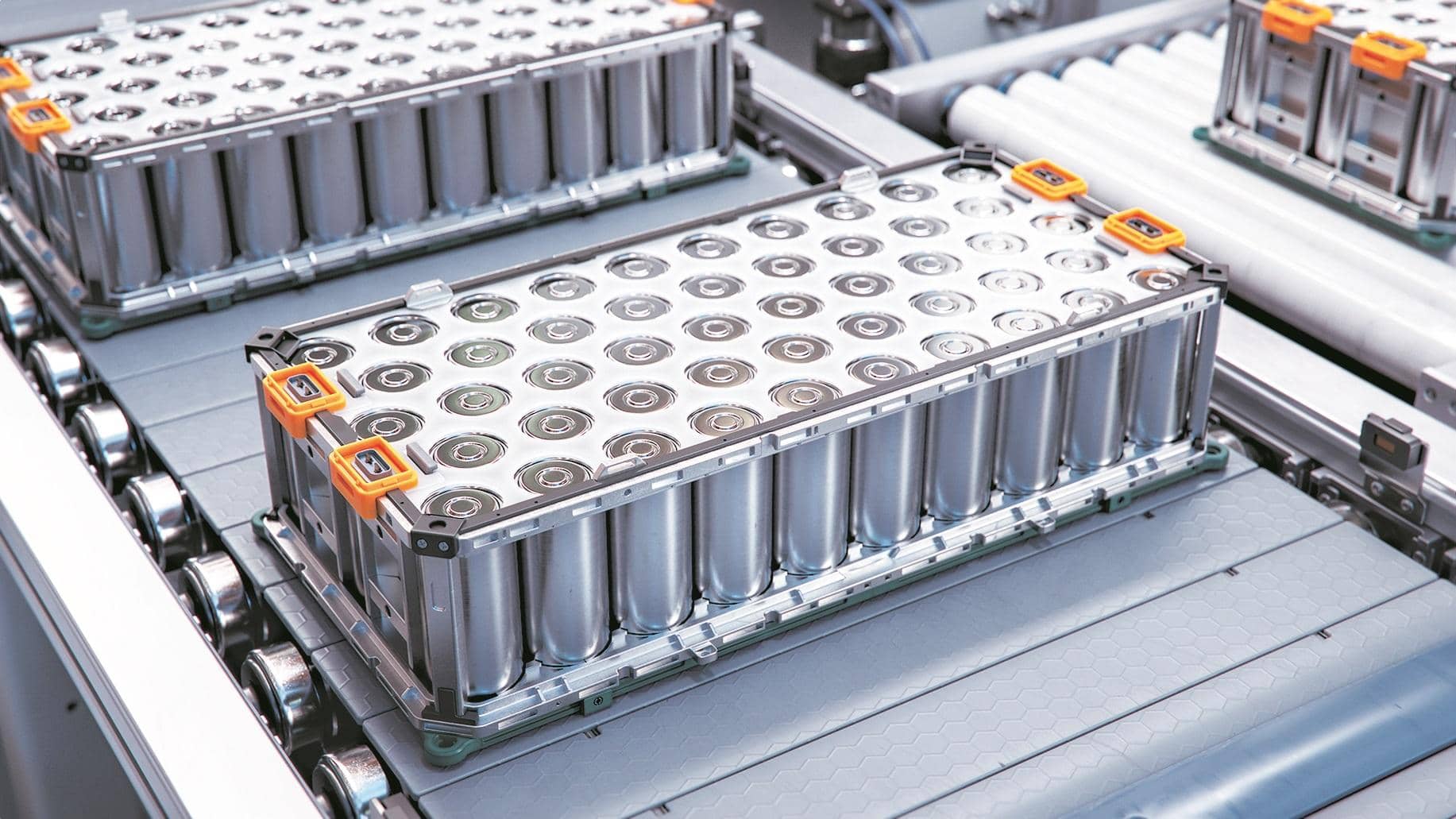
Emerging technologies like battery systems for truck drivers' sleeping quarters are gaining traction. These systems, such as Dragonfly Energy's, recharge while driving and power appliances while parked, cutting diesel consumption by around 4%. However, experts note that while technology can make incremental changes, revolutionizing the industry with electricity is still challenging. Industry leaders emphasize the importance of evolutionary improvements rather than revolutionary ones.
Despite the hurdles, high diesel prices are bolstering the case for alternatives. Electric trucks, for instance, have a roughly 40% fueling cost advantage over diesel in California, where diesel prices have exceeded $8 a gallon. Companies like Forum Mobility have secured commitments from 25 carriers for 330 Tesla Semis and are constructing more charging depots.
Meanwhile, farmers are exploring methane-powered tractors, such as those offered by New Holland, though economic incentives and access to manure-derived fuel play a significant role. Ultimately, while high diesel prices highlight the need for alternatives, the transition remains a slow process.
Written by urgent.news from Axios's reporting — not their text. Machine-written — may contain errors; check the original before relying on it.