What Type of Mattress Is Right for You? (2026)
Here’s how to pick the best mattress for your sleep needs, straight from a professional mattress tester.
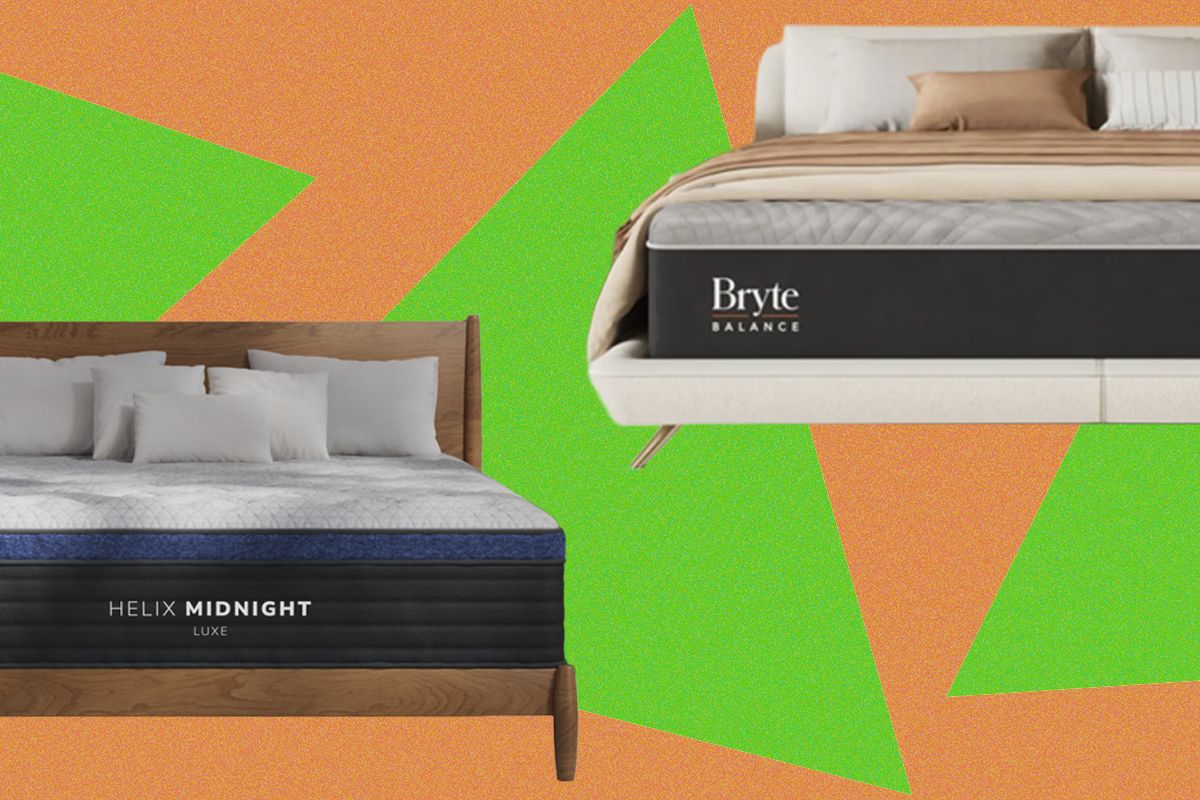
When considering which mattress type is best for you, there are several factors to take into account. These include the feel of the mattress, your preferred sleeping position, the mattress's temperature regulation, whether you share your bed with a partner, and your ideal firmness level.
Memory foam mattresses are known for their ability to contour to your body's shape, providing a feeling of being hugged by the bed. Latex mattresses offer a springier feel and make it easier to switch positions during the night. Hybrids can provide a mix of both sensations, depending on the layers and coil system used. The sleeping position you favor will also influence which mattress is right for you.
Side sleepers typically benefit from a mattress with enough cushioning to alleviate pressure around the shoulders and hips. Back sleepers usually need a balance of cushioning and support, while stomach sleepers often prefer a firmer surface to prevent their midsection from sinking into the bed.
Temperature regulation is another important consideration. If you tend to sleep hot, you may want to choose a latex or hybrid mattress, as both offer better airflow than memory foam, which can trap heat. Some memory foam mattresses also incorporate cooling features, such as gel infusions or phase-change fabrics, which are designed to draw heat away from your body.
Motion isolation is essential if you or your partner frequently move during the night. Memory foam mattresses excel at absorbing movement, preventing disturbances to your sleeping partner. Pocketed coils in hybrid mattresses offer a bit more bounce and minimize the spread of motion throughout the bed. Traditional innerspring mattresses are the bounciest of the bunch, while pocketed coils in hybrids provide more bounce without causing the entire mattress to move.
Firmness is another crucial factor, especially if you and your partner have differing preferences. A split or adjustable mattress may be the best solution to accommodate both parties' needs. Traditional coil mattresses have evolved into hybrids, which are highly customizable, allowing you to mix and match foam and coil components to achieve your desired feel.
Hybrid mattresses are the most common type found in today's market, with the exception of latex and foam options. These mattresses combine memory foam or latex with innerspring coils, offering the best of both worlds in terms of pressure relief and support. The type of coil used in hybrid mattresses is also important, as it can enhance the overall performance of the bed.
Look for pocketed coils or individually wrapped coils, which work independently of each other, leading to better motion isolation and more targeted support for pressure points like the hips and shoulders.
An important note about hybrid mattresses is that they do not require a box spring. This is often a source of confusion, as many people assume that hybrids need a traditional box spring for support. However, the pocketed coil system in hybrids eliminates the need for a box spring. Be sure to check your warranty terms, as some manufacturers may void coverage if you use a box spring with a hybrid mattress.
The traditional innerspring mattress, with its Bonnell coil design, has a firm, squeaky feel that is reminiscent of early memories of sleeping on a mattress. These coils connect both laterally and vertically, creating a single unit that compresses when weight is applied. While traditional innerspring mattresses offer responsive support, they may not provide as much pressure relief as modern hybrids.
However, the coil design allows for near-instantaneous support, making them a good choice for sleepers who frequently change positions during the night.
Written by urgent.news from Wired's reporting — not their text. Machine-written — may contain errors; check the original before relying on it.