Weight-loss drug boom in China, India, Brazil could create US$22bil market by 2035
High costs have limited the uptake of weight-loss drugs in emerging markets, with penetration rates below 0.1% in China and 0.2% in India, but this is expected to change.
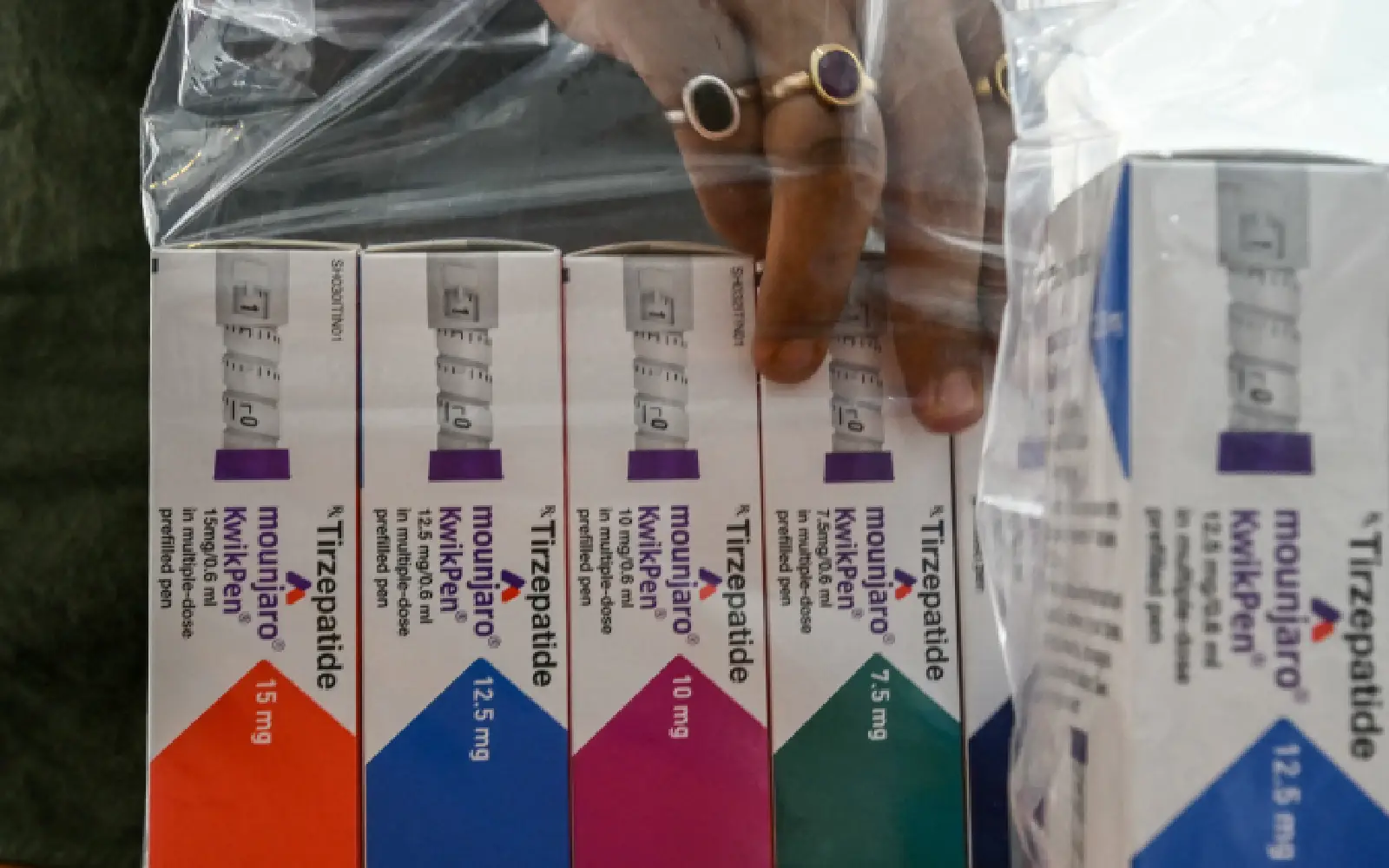
The GLP-1 drugs, including Novo Nordisk's Ozempic and Wegovy and Eli Lilly's Zepbound, have emerged as highly sought-after medications for weight loss and diabetes treatment worldwide. According to J.P. Morgan analysts led by Yang Huang, the combined market for these weight-loss drugs in China, India, and Brazil is projected to reach US$22 billion by 2035, from the current US$6.6 billion.
This growth is driven by increased affordability and expanded access, particularly in countries with significant diabetes and obesity rates.
China and India harbor among the world's largest diabetes patient populations, comprising over 25% and 15% of global diagnosed cases, respectively. Brazil, with about 12% of its adult population having diabetes, also faces a growing obesity burden. By 2030, China's overweight and obese population is expected to surpass 65%, while India's adult obesity rate is forecast to reach 11% by 2035.
As GLP-1 drugs transition from a growth theme in developed markets to a global access story, analysts say patent cliffs, generic launches, and policy-engineered price cuts are improving affordability. The three markets are converging on the same destination, with GLP-1 uptake remaining low in emerging markets due to affordability concerns. In China and India, penetration is below 0.1% and under 0.2%, respectively, compared to 4%-5% in the US.
Brazil currently leads among the three markets, but its obesity-drug penetration is projected to reach only 7%-8% of its obese population by 2035, as opposed to about 30% in the US. J.P. Morgan anticipates China overtaking Brazil by 2027, with its market reaching US$13.7 billion by 2035, driven by its substantial diabetes burden and broader reimbursement for GLP-1 therapies.
For India, conservative attitudes towards GLP-1 drugs and affordability concerns remain key barriers to adoption, despite the presence of local key stocks such as Innovent, Divi's Laboratories, Torrent Pharmaceuticals, and RD Saude.
Written by urgent.news from Free Malaysia Today's reporting — not their text. Machine-written — may contain errors; check the original before relying on it.