Washington’s curbs on foreign robots could slash the U.S.’s humanoid robotics revenue by 58%, as companies lose access to China
Around 95% of all humanoid robots come from China.
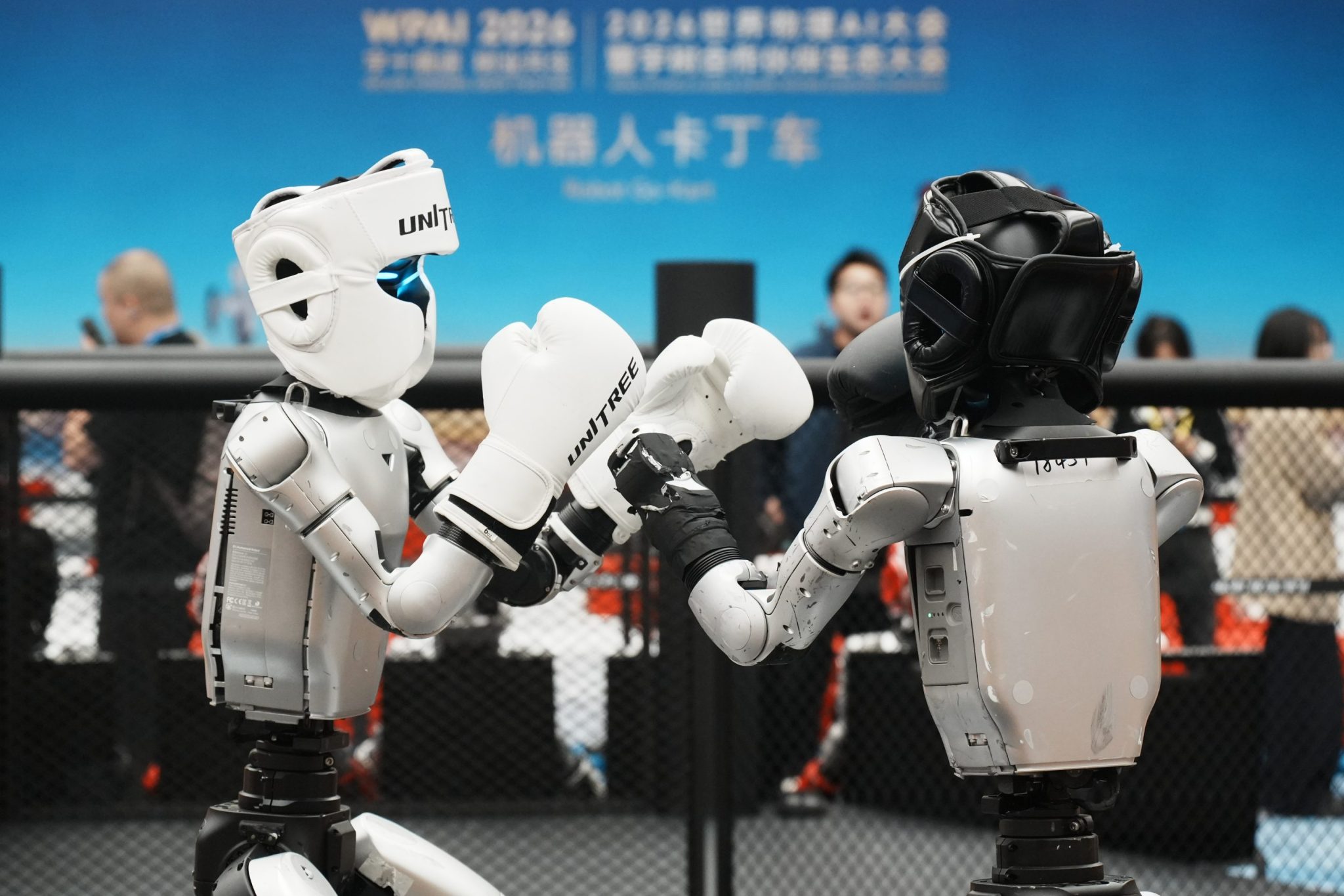
A new report from market research firm International Data Corporation (IDC) warns that Washington's trade restrictions could shrink the U.S. humanoid robotics market by nearly 60% by 2030. The projection highlights a growing divide in the global robotics industry, with Chinese vendors currently supplying the majority of the world's humanoid robots.
On July 28, the Federal Communications Commission (FCC) added "foreign-produced advanced robotic devices" to its Covered List, prohibiting new models from receiving the necessary authorization for U.S. imports and sales. Existing models can still be imported and sold, while software and firmware updates are allowed until at least January 1, 2029.
Companies can seek conditional approval for new models, but they must undergo a national-security review and commit to shifting production to the U.S. U.S.-based robotics firms depend on China and other non-U.S. manufacturers for components like motors and batteries, and the restrictions could raise costs and hinder their ability to scale production.
IDC's analysis suggests that U.S. revenue from humanoid robots could drop 58% below pre-restriction levels by the end of the decade, resulting in approximately $6 billion in lost revenue. This decline would also reduce the sector's annual growth rate to about 9%, down from 13%. In contrast, household cleaning robots are projected to only shrink by 18% by 2030.
The IDC argues that humanoid robots have shorter product life cycles than other types of robots, leading manufacturers to frequently update or replace these models. Some companies have received temporary relief; the FCC granted a one-year waiver to Intel Corporation to continue updating and maintaining certain robots, citing their essential role in domestic semiconductor manufacturing.
Globally, the market for humanoid robots is expected to continue expanding, with IDC forecasting over 750,000 units will be shipped by 2030 — a 26% increase from the 18,500 shipped in 2025. Chinese manufacturers, including Unitree and AGIBOT, account for around 95% of global humanoid robot shipments, followed by domestic companies like Roborock and Dreame Technology.
The competition from China has already led to iRobot's bankruptcy, with the company being acquired by its Chinese supplier, Shenzhen Picea Robotics. China and the U.S. together make up 21% and 18% of global humanoid robot consumption, respectively. Europe purchases more than double the U.S. share.
Written by urgent.news from Fortune's reporting — not their text. Machine-written — may contain errors; check the original before relying on it.