Vietnam Railways seeks transfer of five stations and Dalat line
The proposal to transfer five railway stations and the Dalat–Trai Mat railway line to Vietnam Railways promises to address longstanding issues and give the enterprise greater autonomy in investment
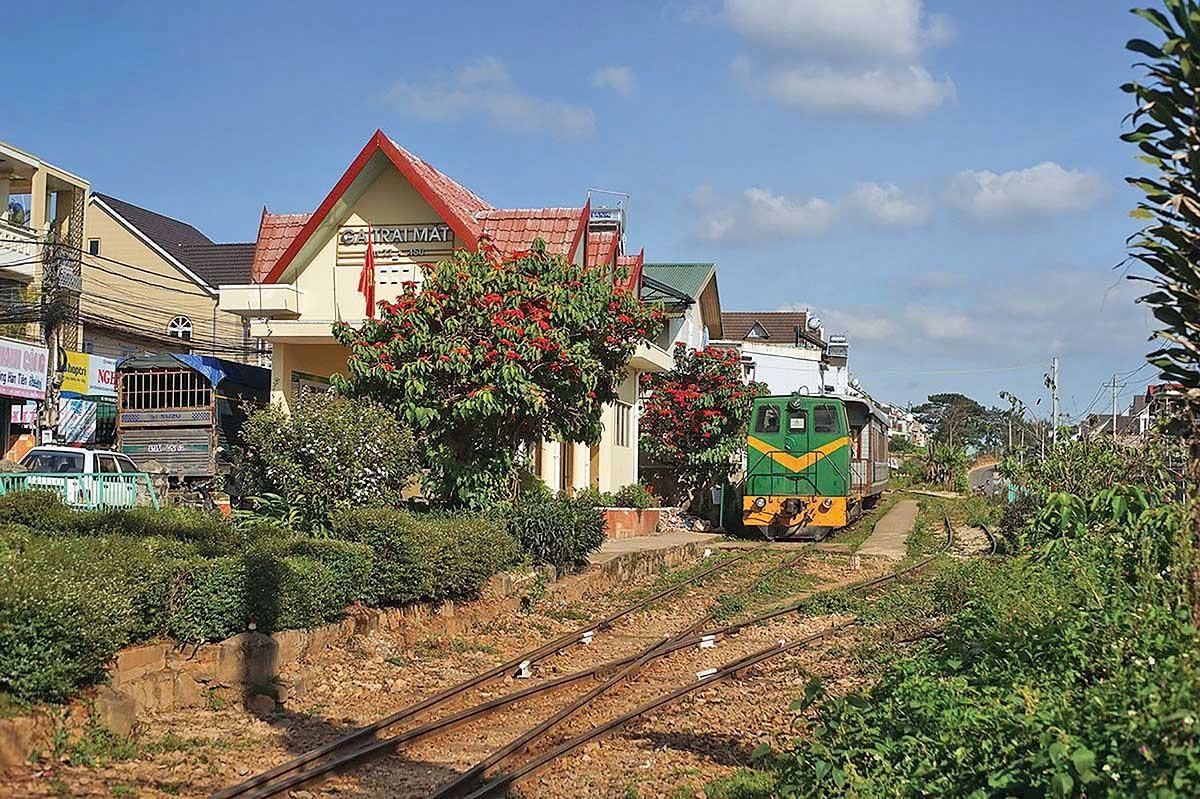
Following the issuance of Decree No.15/2025/ND-CP, Vietnam Railways (VNR) now possesses increased autonomy. Recently, VNR requested the Ministry of Construction (MoC) to consider transferring five railway stations – Haiphong, Thanh Hoa, Vinh, Hue, and Saigon – as well as the Dalat–Trai Mat railway line. The proposed assets comprise approximately 396,000 square meters, including 124,000 square meters of railway land and 40,000 square meters of station platforms.
An estimated 187,000 square meters, or 47 percent of the total, could be utilized for commercial purposes, with the remainder consisting of various land types. VNR values the assets at around $13.5 million, although the official valuation will be conducted by a professional firm and submitted to the MoC for review. The transfer of these assets, recognized as part of the state capital invested in the enterprise, could significantly impact VNR and the overall management of Vietnam’s national railway infrastructure.
Currently, most railway infrastructure assets are owned by the state and managed by specialized authorities. VNR operates railways through an asset-leasing mechanism while conducting mandated management and maintenance tasks. VNR has consistently argued that state control over assets restricts its autonomy in investment planning, particularly for upgrades and maintenance of stations, warehouses, and service facilities.
The annual budget for railway infrastructure maintenance is approximately $116 million, representing around 38 percent of actual requirements. However, only $800,000 to $1.2 million is allocated annually for station and freight yard upgrades, while the state collects only $11.6 to $15.4 million in infrastructure leasing fees each year.
Consequently, many stations and freight yards are outdated and deteriorating. The changes to the management, use, and utilization of railway infrastructure assets provide a basis for addressing these issues. VNR needs the MoC’s in-principle approval for the transfer, along with an approved charter capital increase plan, owner’s representative agency’s opinion, an asset list, legal documents, and other relevant details.
This approval will enable VNR to mobilize investment resources to upgrade and better utilize its assets, improving passenger services and business performance.
Written by urgent.news from Vietnam Investment Review's reporting — not their text. Machine-written — may contain errors; check the original before relying on it.