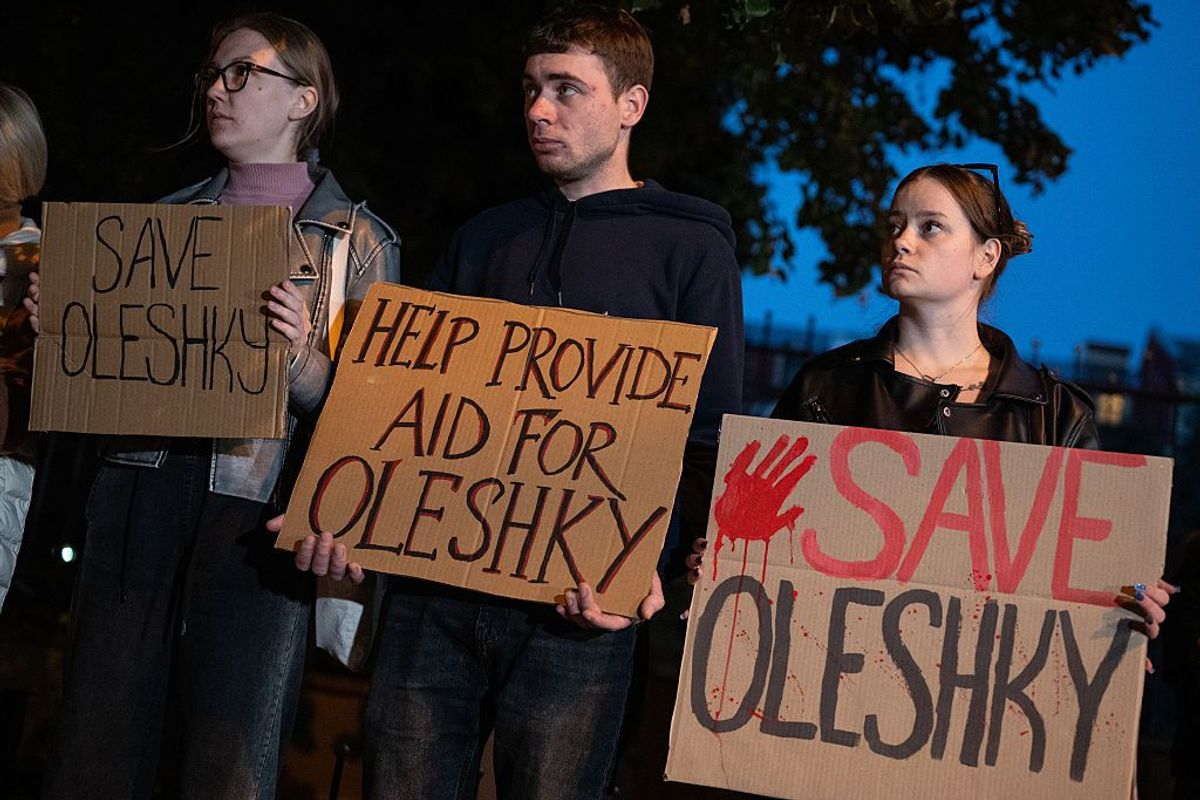
Ukraine war latest: Ukraine, Russia agree to local ceasefire for Russian-occupied Oleshky, mediated by Melania Trump
Key developments on Oct. 23: * Ukraine, Russia agree on local ceasefire for Russian-occupied Oleshky, mediated by Melania Trump * Civilian cargo ship sinks off coast of Romania after Russian drone strike, authorities say * Ukraine to end automatic 100% mobilization exemptions for critical industries, Prime Minister says * Ukrainian drone attack triggers shut down of Moscow airports, missile…
Since a few months ago, the peaceful life in Kyiv, Ukraine's capital, has changed dramatically as Russia intensifies its attacks. The city, home to 4 million people, has increasingly become a frontline battleground with limited shelters for the residents. As a result, subway stations now function as makeshift dormitories. People, including children, sleep in mattresses and small tents within the stations, seeking refuge from the continuous air-raid sirens.
One resident, Halyna, shared her experience with DW, holding her 5-year-old son, Roman. She explains her family's routine, taking the boy to the nearest subway station every night, even when no siren sounds. Her apartment is in the Lukyanivka district, which Russia has systematically targeted for four years and eight months. Unfortunately, 14-year-old Daniel Umanskyj was killed in a drone strike on September; his death highlights the cruel nature of the war.
Russia also targets places where children gather. A drone strike in early October hit a school building in southwestern Kyiv, fortunately sparing pupils and teachers who had taken shelter. The school remains open, accommodating over 500 students in its large shelter. Parents face an immense burden, as they must balance work with the safety of their children. The risk of being at home during an air-raid alarm is a significant concern, as it could prevent children from attending school that day.
Even a simple walk to school is perilous, with the possibility of an unexpected air-raid alarm. A colleague from DW's Kyiv bureau shared her daughter's experience, describing a massive explosion near the Antonov aircraft factory. Such incidents terrify children and highlight the uncertain nature of survival in the war. The military administration in Kyiv reported 140 deaths in the capital during the first eight months of 2026, compared to 172 for all of 2025. If this trend continues, 2026 could become Kyiv's deadliest year since the invasion began in 2022.
This deadly trend is reflected in the residents' resilience. Despite the destruction caused by Russia's attacks, 72% of Kyiv's residents said in September that they are willing to endure the war for as long as necessary. The city authorities are striving to maintain normal life, shortening the curfew to 1 a.m. to 5 a.m. Some facilities are allowed to operate during yellow alerts, but people must seek immediate shelter during red alerts.
The ongoing attacks on energy infrastructure have led to power outages and shortages in supermarkets, raising concerns about the city's ability to supply heat, electricity, and water during the upcoming winter.
Written by urgent.news from DW English (Top Stories)'s reporting — not their text. Machine-written — may contain errors; check the original before relying on it.
Also reported by 7 other outlets
- Putin claims Russia is ready for new talks with Ukraine, calls occupied land historical Russia euromaidanpress.com
- Russia's attacks on Ukraine's capital, Kyiv, are intensifying. DW asked people on the ground what life is like dw.com
- Cargo ship sinks off the coast of Romania, local authorities blame Russia theins.press
- Russia, Ukraine launch overnight strikes semafor.com
- Melania Trump helps forge ceasefire deal in Russian-occupied Ukrainian city, White House says koreatimes.co.kr
- Trilateral Ukraine–U.S.–Russia meeting planned for early November, Zelenskyy says english.nv.ua
- Russia, Ukraine agree to Melania Trump-brokered localised ceasefire aljazeera.com