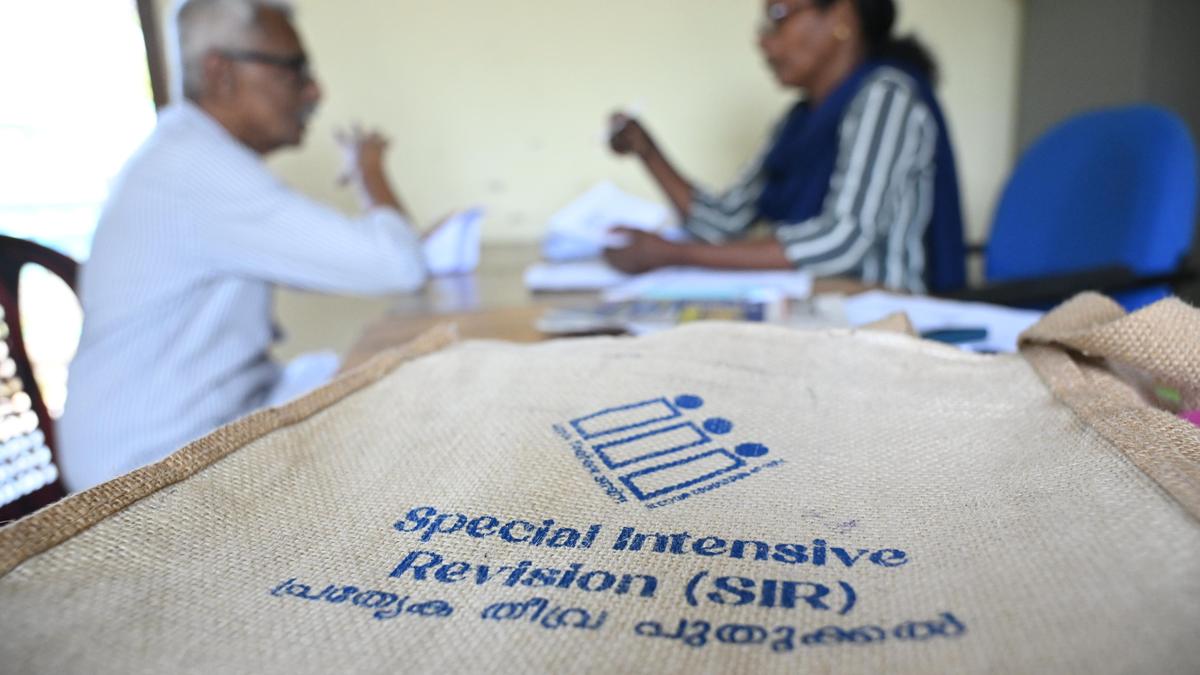
Two Indigenous Brazilians denied their language interpreter at election voting booth
Two Indigenous women who do not speak Portuguese were denied assistance from their interpreter while voting in Brazil’s Oct. 4 election. The translator who accompanied them to the polls, community leader Mitore Tiriyó Kaxuyana, is a relative of the women and spoke to Mongabay about what happened. Racela Tiriyó, 23, and Mirami Tiriyó, 33, are […]
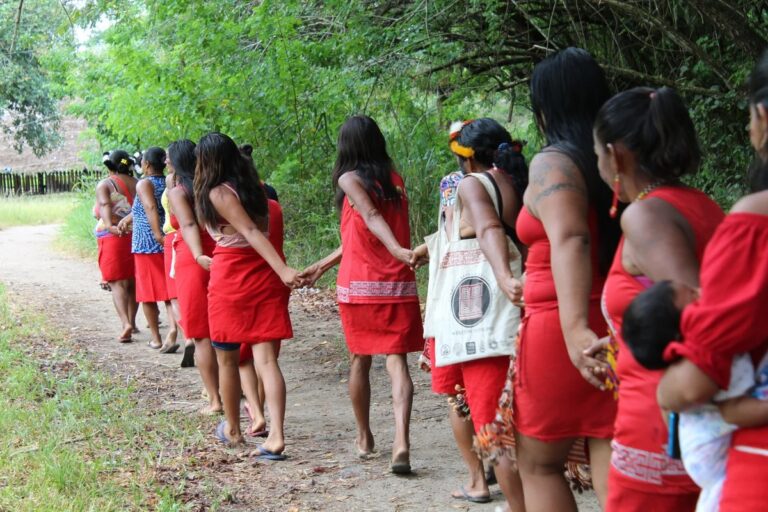
Two Indigenous women, Racela Tiriyó, 23, and Mirami Tiriyó, 33, were denied interpreter services while voting in Brazil's Oct. 4 election. The women, members of the Tumucumaque Park Indigenous Territory in the northeastern Brazilian Amazon, were unable to receive assistance from their interpreter, Mitore Tiriyó Kaxuyana, who accompanied them to the polls.
Kaxuyana informed poll workers that the women needed translation services as they did not speak Portuguese. However, the poll workers informed Kaxuyana that only voters with disabilities were permitted interpreter assistance. Despite Kaxuyana's attempts to explain the voting process to the women, they were left uncertain whether their votes had been recorded correctly.
The Tiriyó women, who do not speak Portuguese, were unable to vote with the support of their language interpreter, leaving them feeling marginalized and their rights potentially violated. The Tumucumaque Park Indigenous Territory, where the women reside, is home to around 2,800 people. The incident highlights the discrimination faced by Indigenous Brazilians who do not speak Portuguese when voting.
Written by urgent.news from Mongabay's reporting — not their text. Machine-written — may contain errors; check the original before relying on it.