Two decades after crash, Nepal still searching for new generation of conservation visionaries
Twenty years after a helicopter crash killed some of Nepal’s most prominent environmental figures, the nation is celebrating ecological gains while grappling with a void in visionary leadership, reports Mongabay’s Abhaya Raj Joshi. On Sept. 23, 2006, a Russian-built Mi-8 helicopter crashed near the high-altitude mountain village of Ghunsa, killing all 20 passengers and four […]
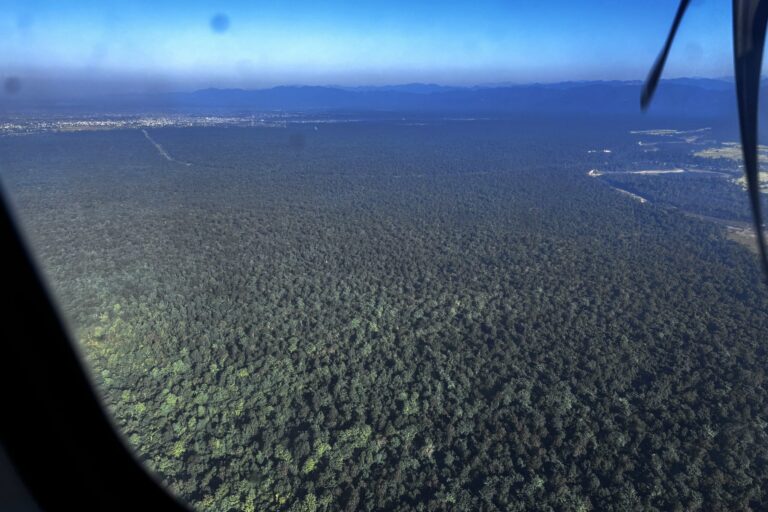
Two decades after a devastating helicopter crash claimed the lives of several key conservationists in Nepal, the country is now celebrating its ecological achievements. However, the nation still faces a significant challenge - a lack of visionary leaders to continue the work initiated by those who perished. On September 23, 2006, a Russian-built Mi-8 helicopter crashed near the Ghunsa village, killing all 20 passengers and four crew members.
Among the victims were Gopal Rai, the minister of forests and soil conservation, as well as senior government officials, a Finnish diplomat, a USAID official, and key staff from the World Wildlife Fund (WWF). The tragedy occurred as the group was taking off from Ghunsa to hand over the management of the Kanchenjunga Conservation Area to local communities.
The crash had a profound impact on the organization, as seven WWF staff members lost their lives - the single greatest loss of life in the history of the group. Among the fallen were Harka Gurung, Chandra Gurung, and Mingma Norbu Sherpa, whose demise left a critical institutional vacuum. Sarita Jnawali, a former conservationist with the National Trust for Nature Conservation (NTNC), lamented that the crash not only cost them lives but also slowed down their progress.
Shiv Raj Bhatta, an ecologist at the Department of National Parks and Wildlife Conservation, echoed her sentiments, expressing concern about the difficulty in replacing individuals of such caliber.
The community-based conservation framework championed by the generation lost to the crash continues to shape Nepal's conservation efforts. As the nation marks the anniversary of this tragic event, it must now focus on finding new leaders to carry on the vital work of preserving the country's natural heritage.
Written by urgent.news from Mongabay's reporting — not their text. Machine-written — may contain errors; check the original before relying on it.