The UN's next leader must be given room to deliver
The UN was founded in 1945 on the belief that countries emerging from an apocalyptic global conflict could rebuild and find common ground. Eight decades later, that principle remains important, but as wars multiply and alliances shift, there are growing questions about the organisation’s ability to meet the demands of a fragile world. With its leadership model and institutional structure designed…
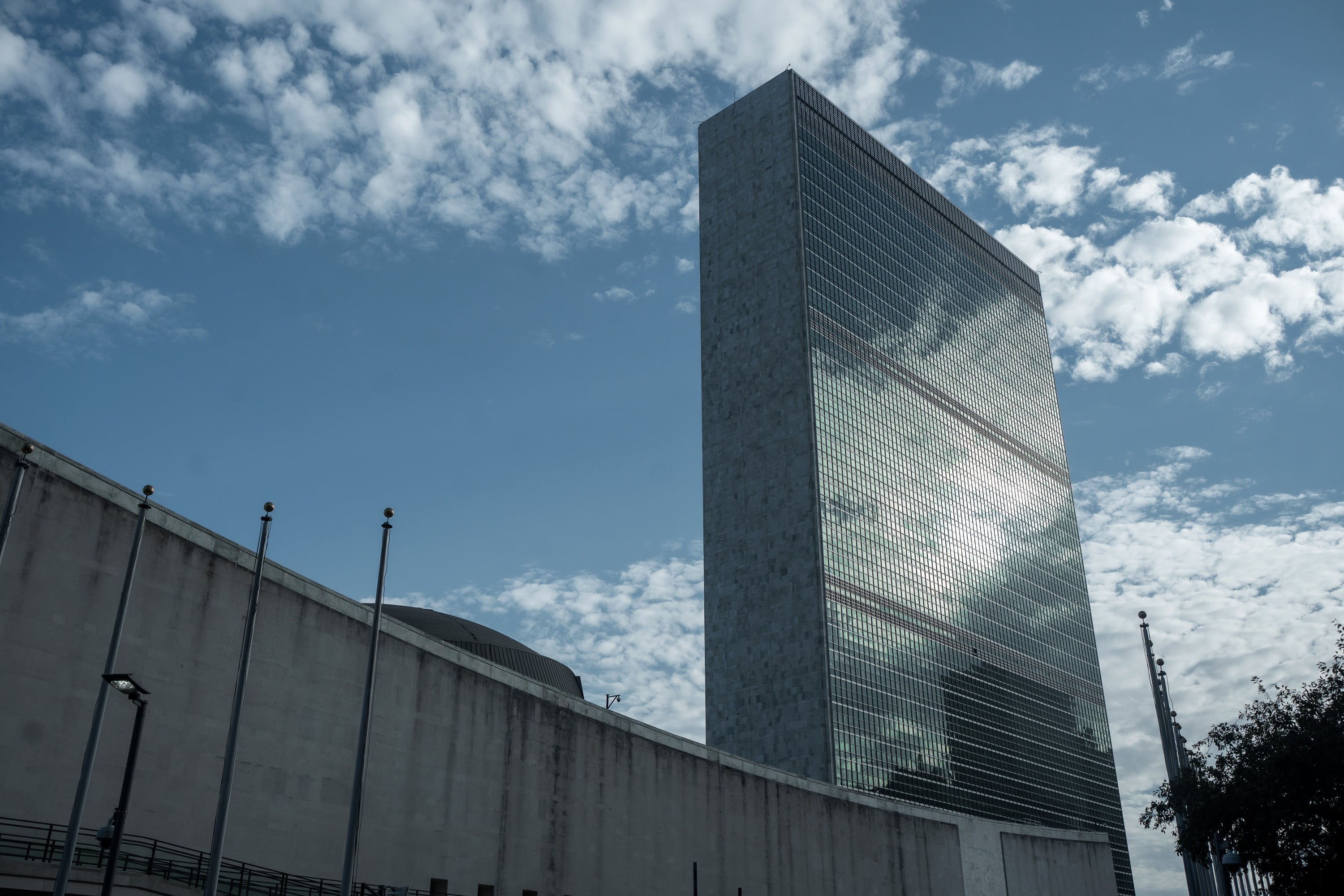
The United Nations, established in 1945, emerged from the ashes of a devastating global conflict with the aim of fostering international cooperation and collaboration. Eight decades later, the organization faces mounting challenges as conflicts proliferate and alliances evolve. With a leadership model and institutional structure tailored to a different era, questions arise about whether the UN possesses the capacity to address the demands of a volatile world.
As the race to succeed Antonio Guterres as secretary general intensifies, the importance of selecting a new leader capable of revitalizing the UN becomes increasingly critical. One candidate gaining attention is Lana Nusseibeh, the UAE Minister of State and former permanent representative to the UN. Nusseibeh's extensive diplomatic experience and expertise in multilateral negotiations make her a formidable contender.
Nusseibeh's candidacy is particularly significant for the UAE and the wider Middle Eastern region. Her role as a representative during the UAE's two-year tenure as a non-permanent member of the UN Security Council (2022-2023) demonstrates her familiarity with international diplomacy. Her bid for the secretary general's office deserves serious consideration, even as other candidates bring their own strengths to the table.
In an era marked by shifting security relationships and growing threats to shipping and regional stability, the international community requires effective diplomacy and cooperation more than ever. However, the UN often struggles to translate its convening power into tangible action. Deliberations can be hindered by divisions among major powers, while UN agencies face overlapping responsibilities and limited resources, leading to perceived inertia and eroding public trust in multilateralism.
The next secretary general must transcend traditional mediation and statement-giving roles. The office should serve as a catalyst for institutional reform, emphasizing early intervention, effective mediation, and improved coordination between UN agencies. Clear priorities and measurable accountability would ensure that commitments translate into concrete improvements that people can observe.
Nusseibeh's vision of bringing countries together and achieving tangible results aligns with the UAE's experience in navigating diverse interests. For an organization grappling with geopolitical divides, her approach could inject much-needed revitalization. However, the path to meaningful reform demands cooperation from member states, particularly the permanent members of the Security Council, who must recognize that a lack of direction and consensus carries its own consequences.
While a seasoned secretary general can play a pivotal role, the UN's broader challenges necessitate collective action. The UN remains too vital to be allowed to drift into irrelevance. The true measure of success lies not in empty promises but in tangible results. The next leader must possess the vision to renew the UN's purpose, and member states must provide the necessary support to enable that leader to deliver.
Written by urgent.news from The National Business's reporting — not their text. Machine-written — may contain errors; check the original before relying on it.
This story
This is one outlet's version. Read the fullest account.
- The UN's next leader must be given room to deliver thenationalnews.com